The Canadian Strategic Missions Corporation (CSMC) has announced an ambitious plan to deploy microreactors in the Arctic region by 2030. This initiative is part of a strategic partnership with Telesat, a key player in satellite communications. The two companies signed a Memorandum of Understanding (MOU) on Tuesday at the CANSEC defence exhibition, solidifying their collaboration.
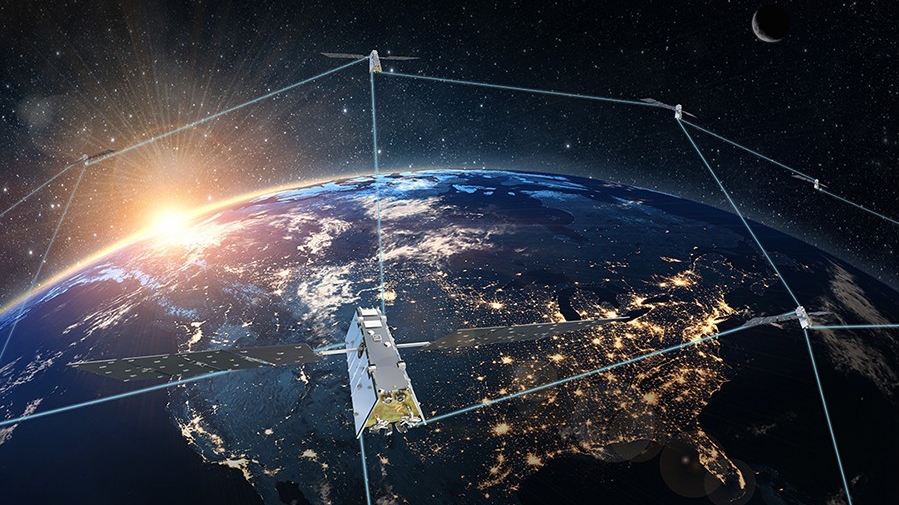
The primary objective of this partnership is to integrate Telesat's advanced Lightspeed low Earth orbit (LEO) network with CSMC's microreactor technology. The Lightspeed network, known for its high-speed, low-latency connectivity, will play a crucial role in supporting the operation and management of these reactors in the remote Arctic environment. This integration is essential for ensuring reliable communication and control, which are critical for the safe and efficient operation of the microreactors.
Microreactors are compact nuclear reactors that are designed to provide a stable and continuous power supply in isolated areas. Their deployment in the Arctic is seen as a significant step towards enhancing energy security and sustainability in regions that are traditionally reliant on diesel generators. The use of microreactors could reduce the environmental impact associated with fossil fuels and provide a more reliable energy source in harsh climates.
The partnership between CSMC and Telesat represents a convergence of nuclear energy and space-based communication technologies. By leveraging Telesat's satellite network, CSMC aims to overcome the geographical and logistical challenges that have historically impeded infrastructure development in the Arctic. This collaboration highlights the potential of combining cutting-edge technologies to address global energy and connectivity needs.
As part of their collaboration, CSMC and Telesat will focus on the technical integration of the Lightspeed network with microreactor systems. This involves developing protocols and systems that ensure seamless communication between the reactors and operational centers. The success of this integration will be critical to the project's overall viability and effectiveness.
The deployment of microreactors in the Arctic is not without challenges. Regulatory approvals, safety concerns, and the harsh environmental conditions characteristic of the region are significant hurdles that CSMC and Telesat will need to address. However, the partnership's focus on innovative solutions and advanced technologies provides a promising pathway towards overcoming these obstacles.
Looking forward, the collaboration between CSMC and Telesat could pave the way for similar projects in other remote regions worldwide. As countries and companies seek sustainable and reliable energy solutions, the integration of microreactors with satellite networks could become an increasingly attractive option.