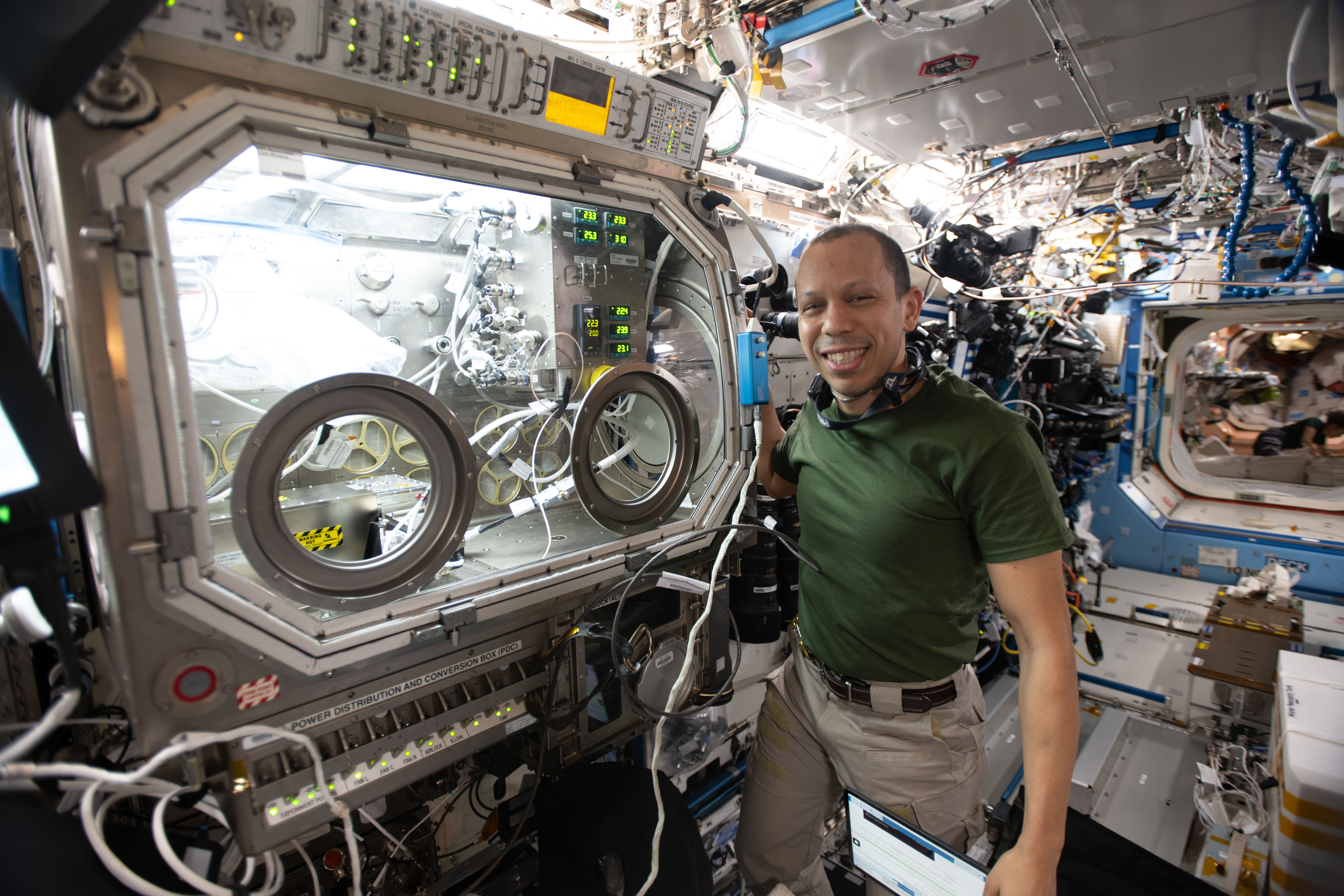
The International Space Station (ISS) remains at the forefront of scientific innovation with its latest research endeavors focusing on 3D bioprinting and stem cell studies. As part of the Expedition 74 crew's research activities, these cutting-edge projects were highlighted in the station's recent schedule, showcasing the unique benefits of conducting experiments in microgravity.
On Thursday, the primary focus aboard the ISS was on bioprinting cartilage and producing stem cells. The microgravity environment on the station provides an unparalleled setting for such experiments, allowing scientists to overcome the limitations posed by gravity on Earth. The absence of gravitational forces enables cells to grow and interact in ways that are not possible in terrestrial laboratories, offering insights that could lead to significant advancements in medical treatments and tissue engineering.
Bioprinting in space is not just about creating tissues for study; it has the potential to revolutionize regenerative medicine. The ability to print cartilage and other tissues could lead to the development of innovative treatments for joint injuries and degenerative diseases. The ISS's unique environment allows for the creation of tissues that are structurally and functionally more similar to those in the human body, which is a crucial step forward in the field of bioprinting.
Alongside bioprinting, stem cell research is another area of significant interest aboard the ISS. Stem cells have the remarkable ability to develop into different types of cells, making them a powerful tool in regenerative medicine and tissue engineering. The research conducted on the ISS aims to understand how stem cells grow and differentiate in microgravity, which could reveal new methods to enhance stem cell therapies on Earth.
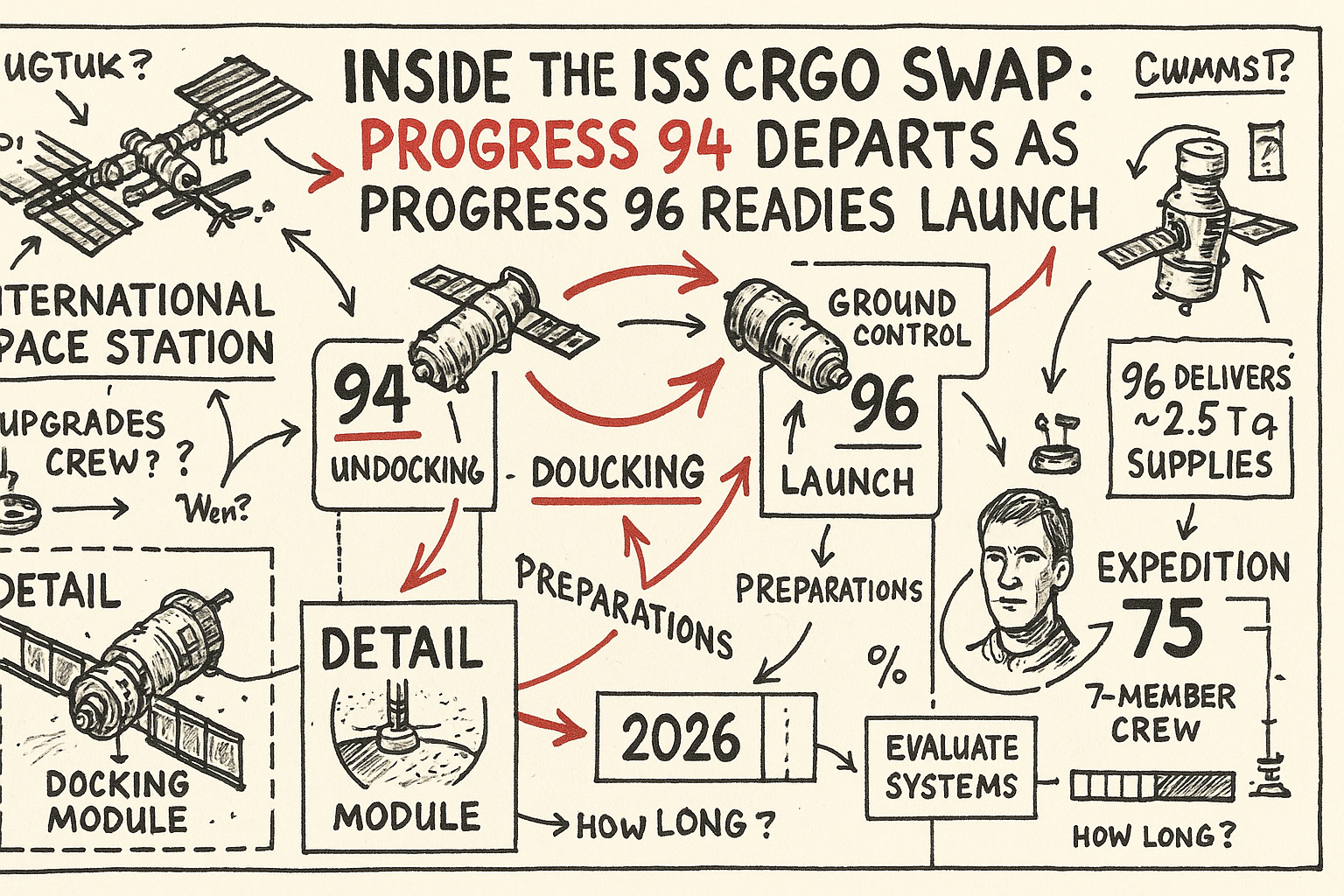
In addition to these primary research activities, the crew also engaged in photographing growing plants and inspecting lab windows, which are part of routine maintenance and observation tasks. Moreover, preparations continued for the return of a U.S. cargo spacecraft, indicating the ongoing logistical operations that support the station's scientific missions.
These research endeavors not only highlight the versatility and importance of the ISS as a research platform but also underscore the collaborative efforts of international partners in advancing space-based science. The findings from these experiments could have far-reaching implications, potentially leading to breakthroughs that improve human health and medical treatments worldwide.