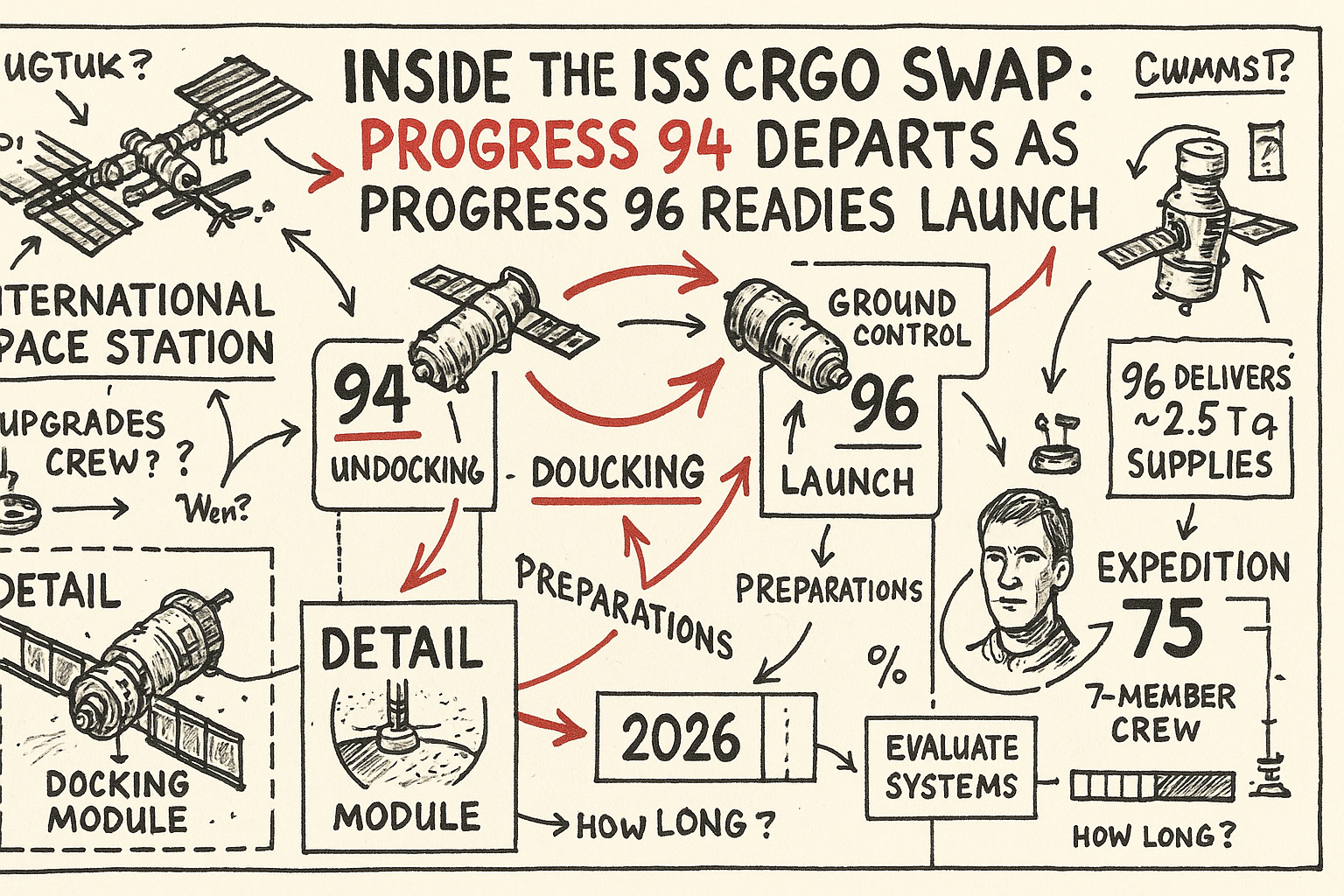
Space station teams carried out a planned turnover of visiting cargo vehicles in early September 2026, a routine but crucial part of sustaining the seven-member Expedition 75 crew aboard the International Space Station.
Undocking and disposal: Progress 94
On Monday, Sept. 7, the unpiloted Russian Progress 94 cargo spacecraft undocked from the station at 11:18 a.m. EDT, NASA reported. After backing away from the complex, the vehicle executed a deorbit maneuver and was scheduled for a destructive re-entry later that day to dispose of trash loaded by the crew.
Next up: Progress 96 launch plans
NASA said managers were "gearing up for a cargo mission swap next week" to replenish supplies for the Expedition 75 residents. Roscosmos’ Progress 96 was scheduled to launch on Sept. 9 from Baikonur and dock at the International Space Station following Progress 94’s departure, according to agency updates.
Operational context aboard the station
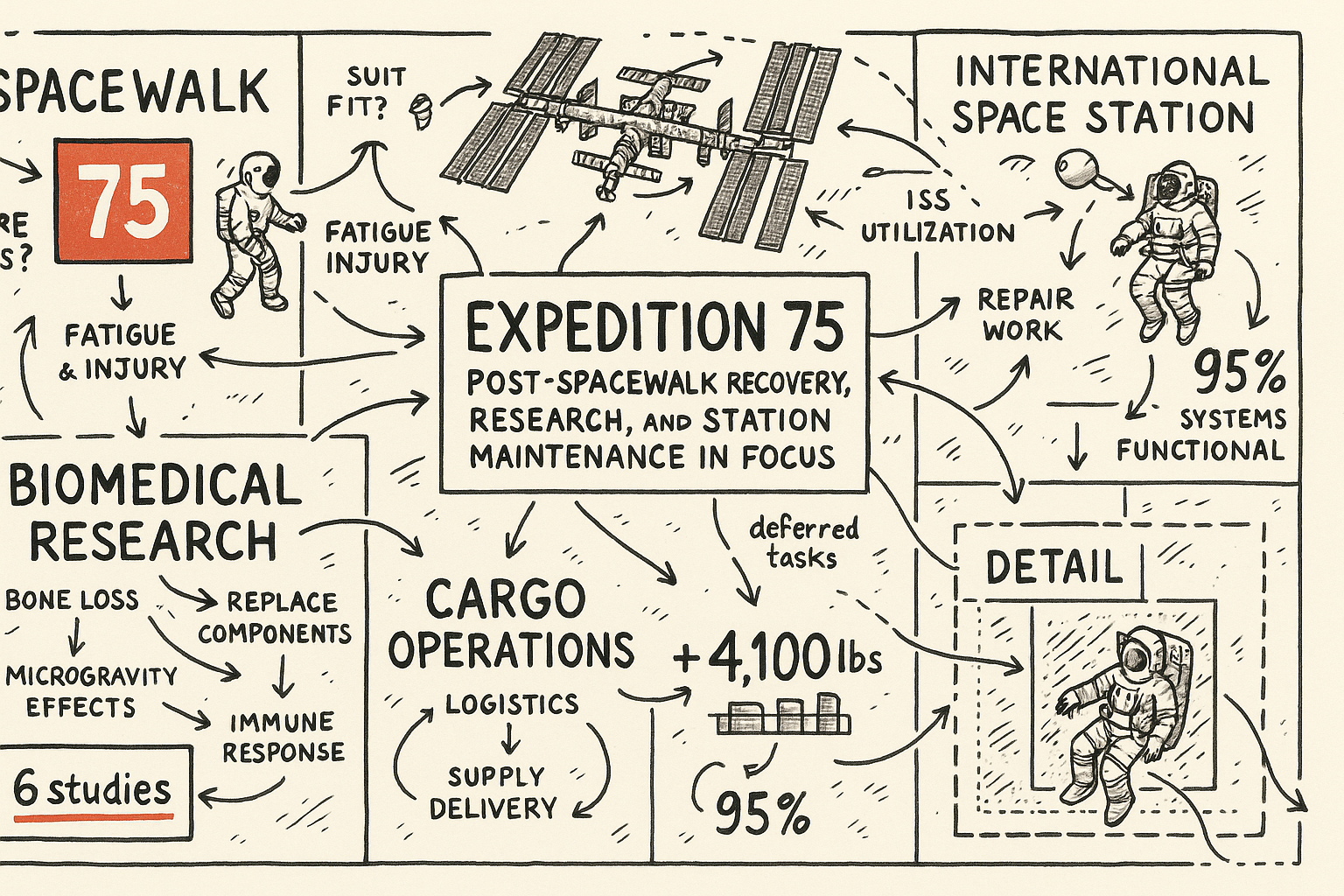
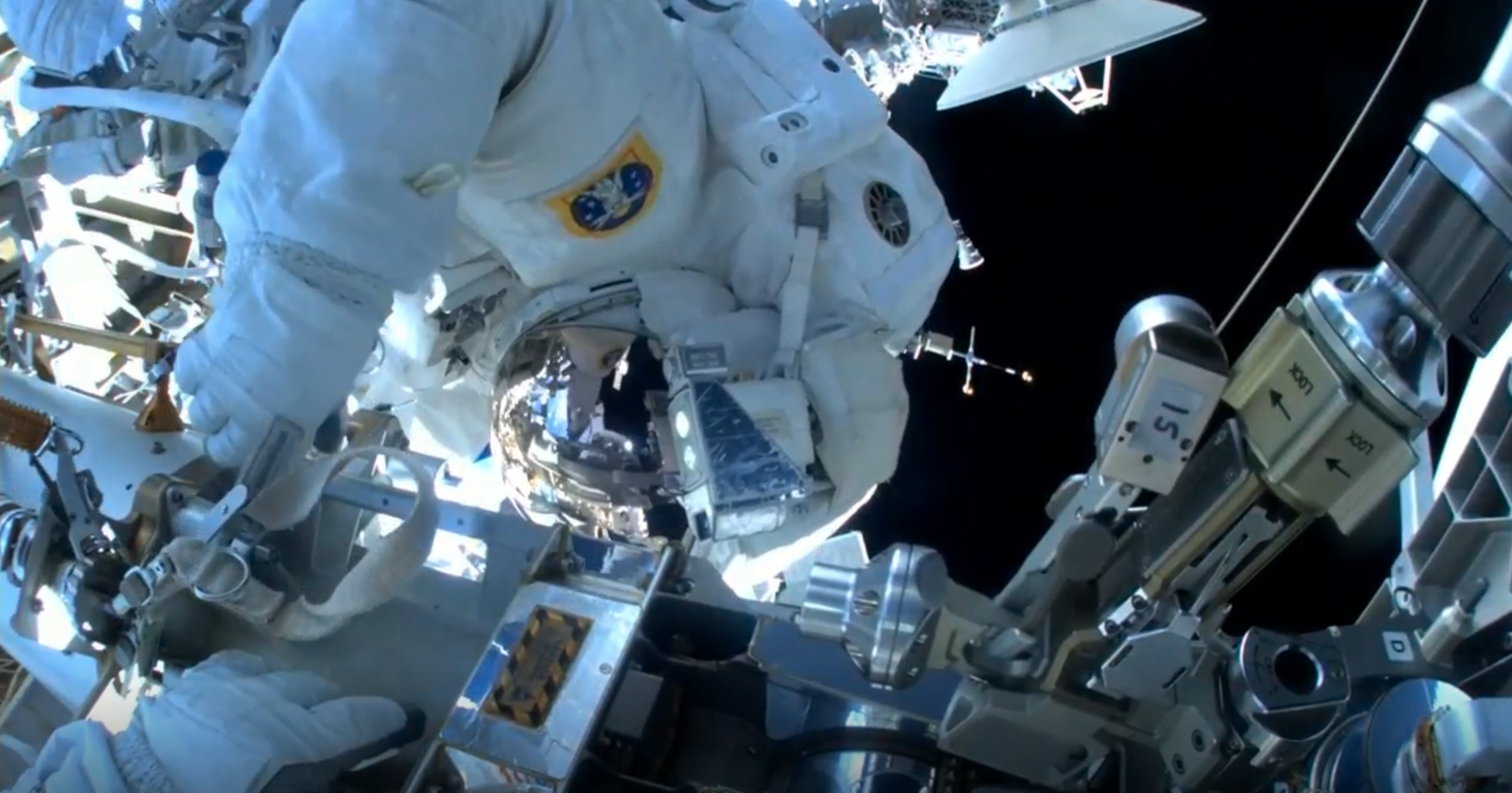
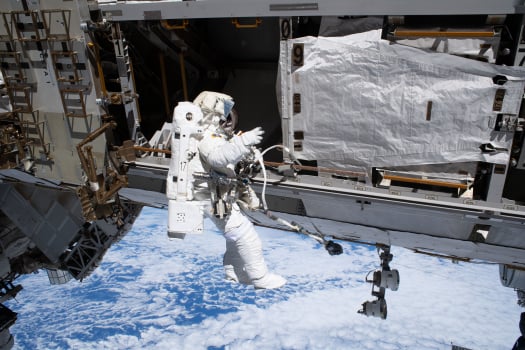
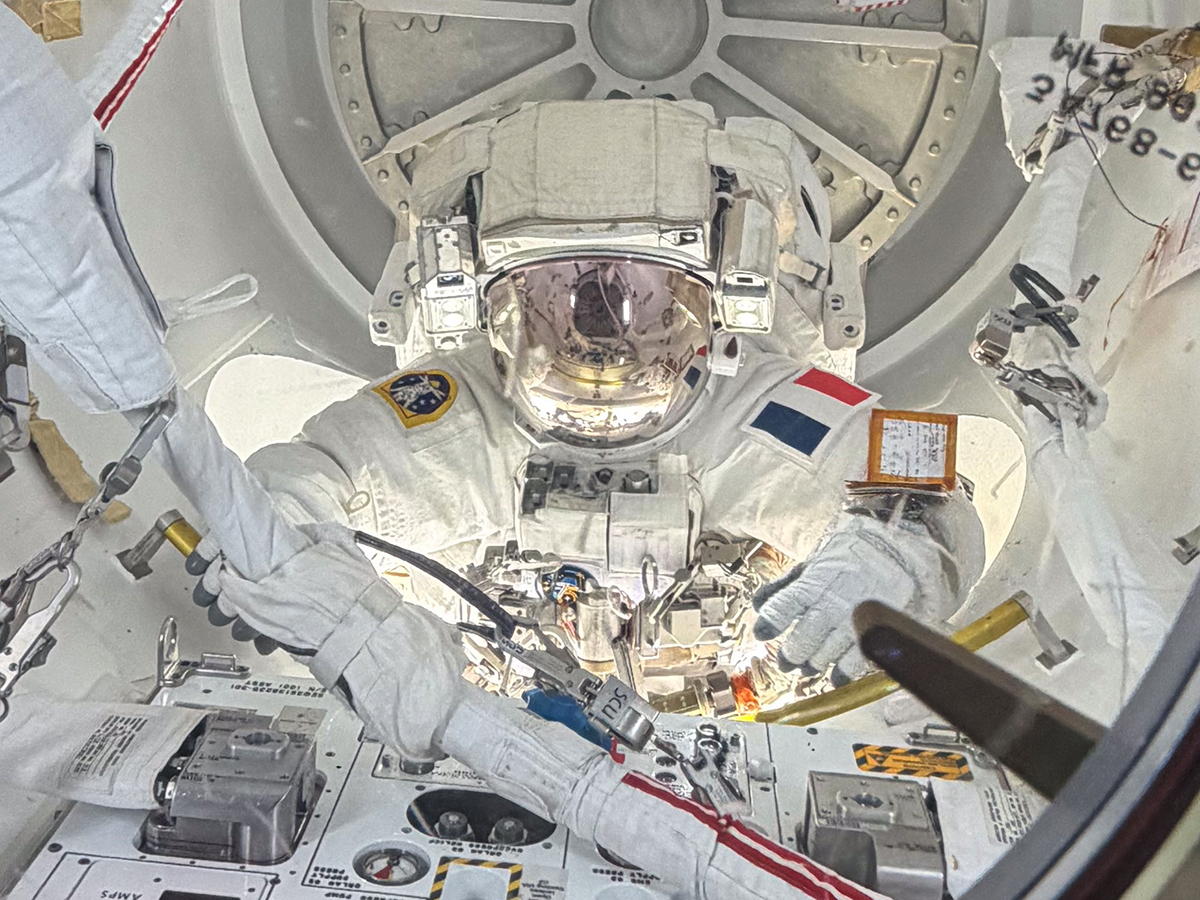
The cargo swap took place while the Expedition 75 crew continued routine maintenance and research activities. In the days around the turnover, the crew wrapped spacesuit cleaning and other cargo operations, exercised, and practiced an emergency drill to maintain familiarity with medical procedures in microgravity. The crew had recently completed a busy month that included four spacewalks, after which they focused on cleaning spacesuits and relaxing between operations.
Why these swaps matter
Resupply spacecraft like Progress perform several roles: delivering food, experiments, spare parts and other cargo to orbital crews, and later disposing of waste via destructive re-entry. The timed sequence—undocking one vehicle and launching another from Baikonur—keeps the station stocked and prevents cargo gaps for the seven onboard crewmembers.
NASA public affairs and mission blogs provided the timeline and operational details of the undocking and the planned launch sequence, underscoring the international coordination required to sustain long-duration human presence in low Earth orbit.