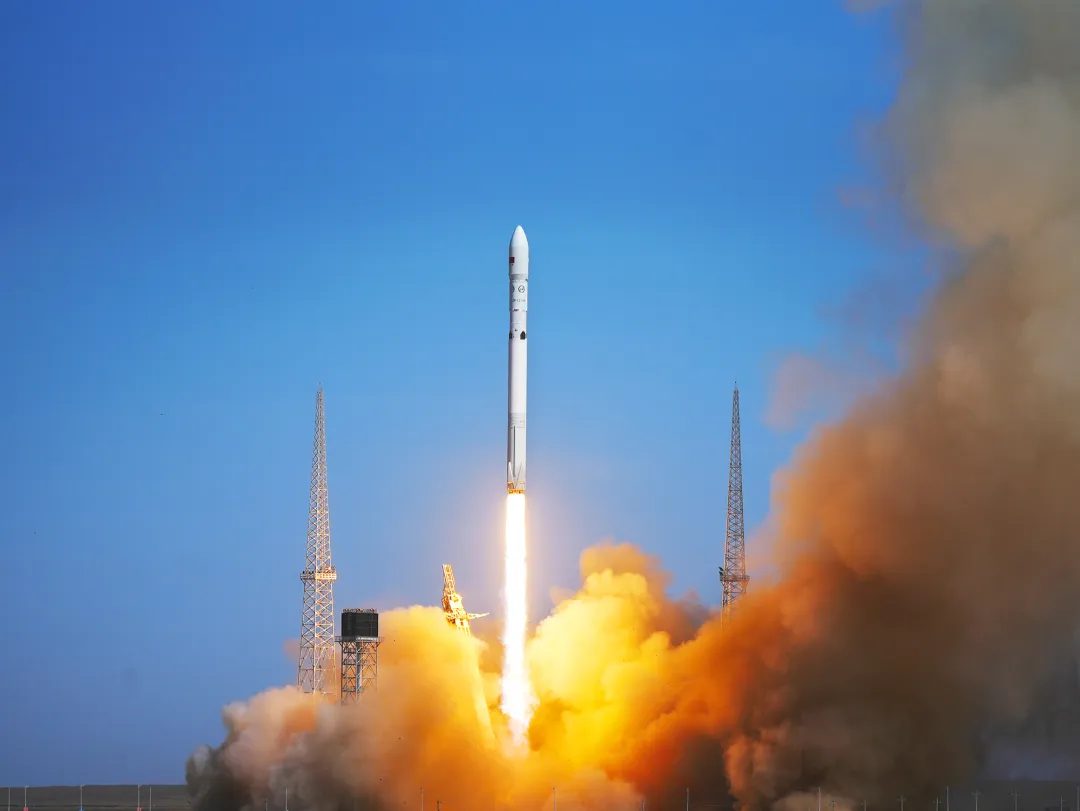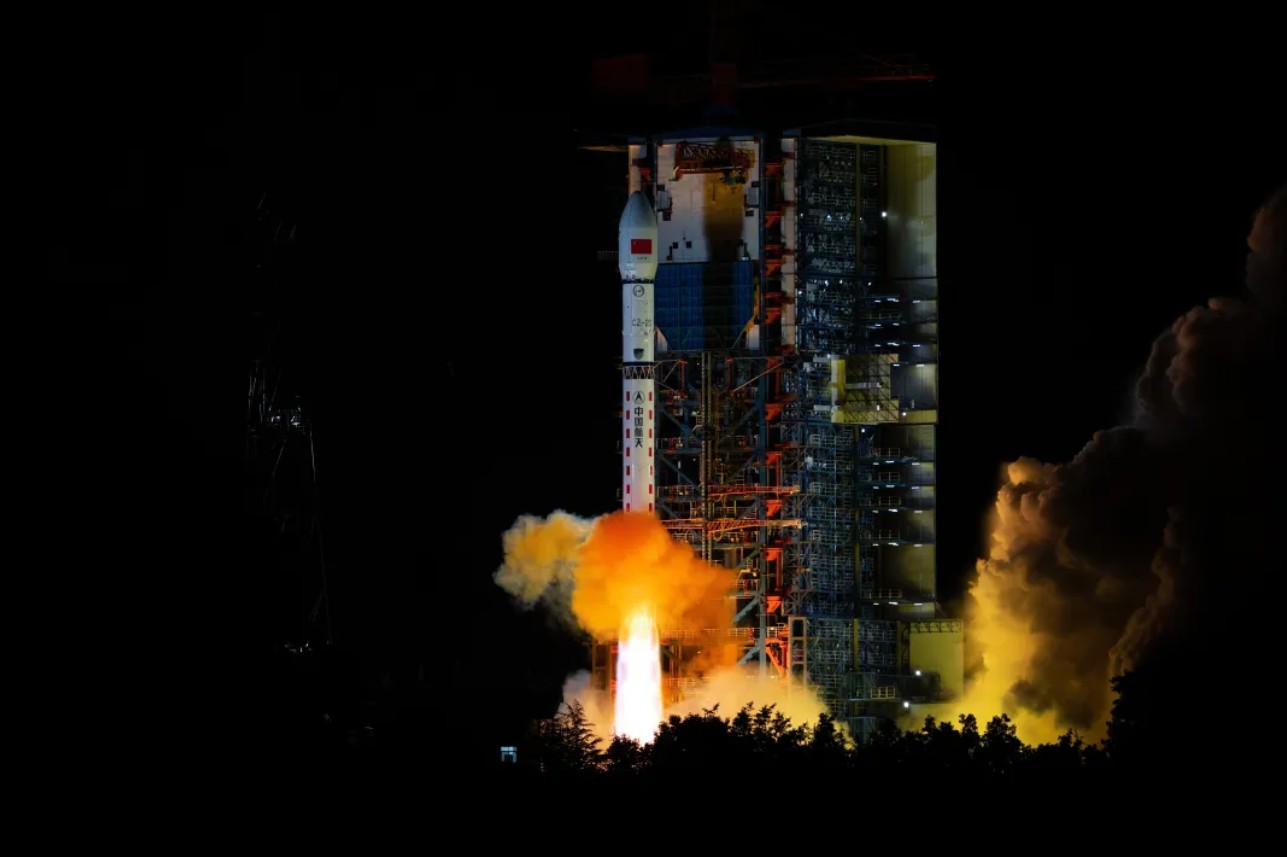
China has successfully launched four new satellite internet test satellites, marking the culmination of a busy month of space activities. This launch is a part of China's ongoing efforts to expand its satellite internet capabilities, aimed at enhancing connectivity across various regions. The satellites were deployed using a hypergolic rocket, a reliable workhorse in China's space launch arsenal.
The launch is significant as it underscores China's commitment to advancing its satellite technology. The satellites are designed for direct-to-device communication, a technology that allows devices to connect directly to the satellite network without the need for ground-based infrastructure. This approach is particularly beneficial in remote or underserved areas where traditional internet connectivity is limited.
China's space program has been rapidly advancing, with numerous launches and projects aimed at establishing a robust space presence. The recent launch is part of a broader strategy to develop a comprehensive satellite internet network, which includes a series of test satellites for various projects. These initiatives not only enhance internet access but also provide valuable data that can be used to optimize future satellite deployments.
The use of hypergolic rockets, which are known for their reliability and efficiency, indicates China's focus on ensuring successful launches. These rockets, which use propellants that ignite spontaneously upon contact, have been a staple in China's launch strategy. Their reliability is crucial for maintaining the momentum of China's aggressive space agenda.
The deployment of these satellites is expected to have significant implications for global satellite internet services. By expanding its satellite network, China aims to provide more comprehensive coverage, potentially reducing the digital divide in less developed regions. Furthermore, these developments could enhance China's competitive position in the global satellite internet market, challenging existing players by offering alternative solutions.
Overall, the successful launch of these test satellites represents a key milestone in China's space exploration efforts. As the country continues to invest in and develop its satellite technology, it is poised to play a major role in the future of global satellite communications. This launch is not just a technical achievement but also a strategic move to establish China as a leader in space and telecommunications.