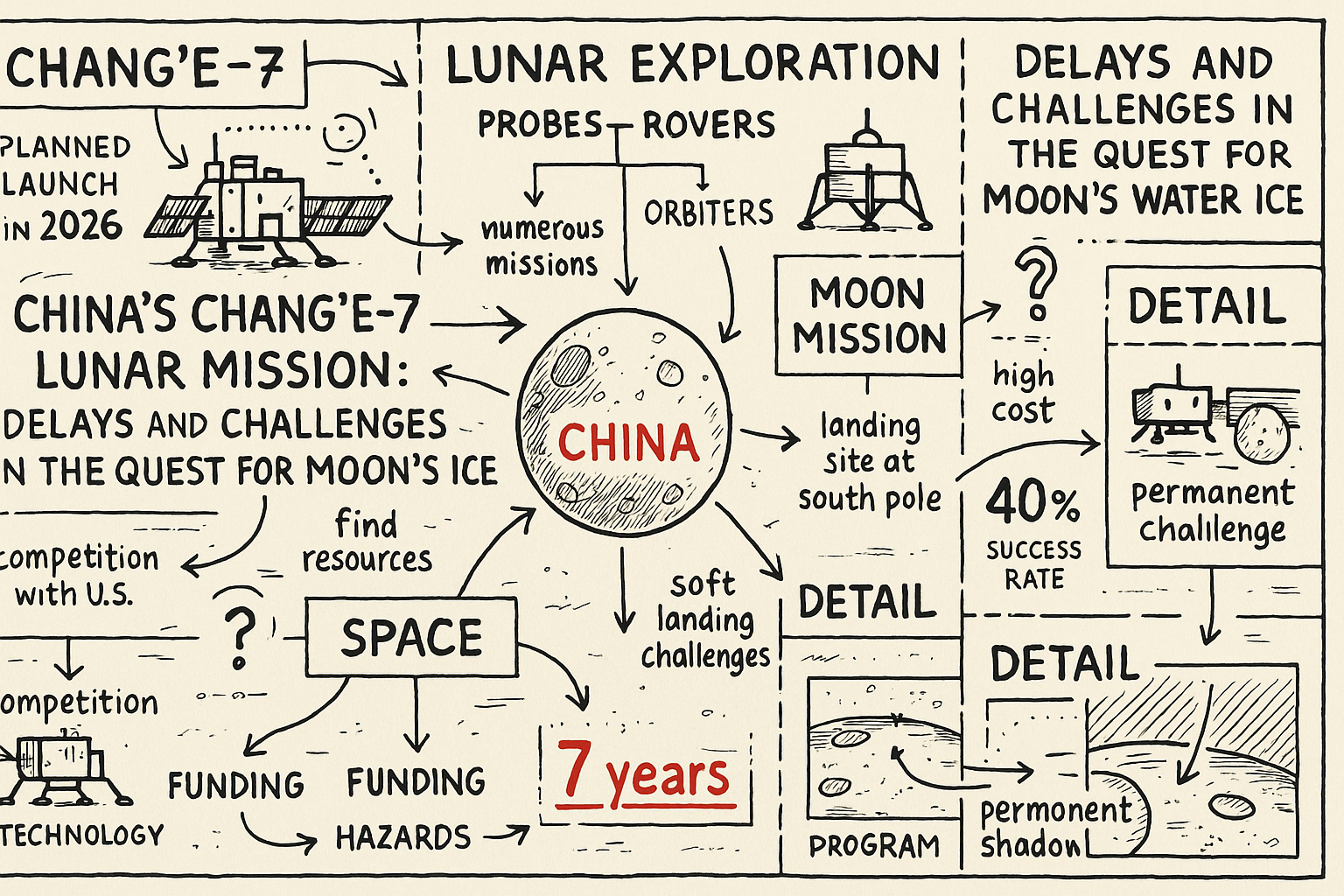
China's ambitious Chang'e-7 lunar mission, originally set to launch in 2026, has been postponed. The mission, which aims to explore the Moon's south pole for water ice, is now delayed until at least 2027. This delay underscores the complexities and challenges associated with lunar exploration, particularly in the harsh and remote environments of the Moon's polar regions.
Technical and Environmental Challenges
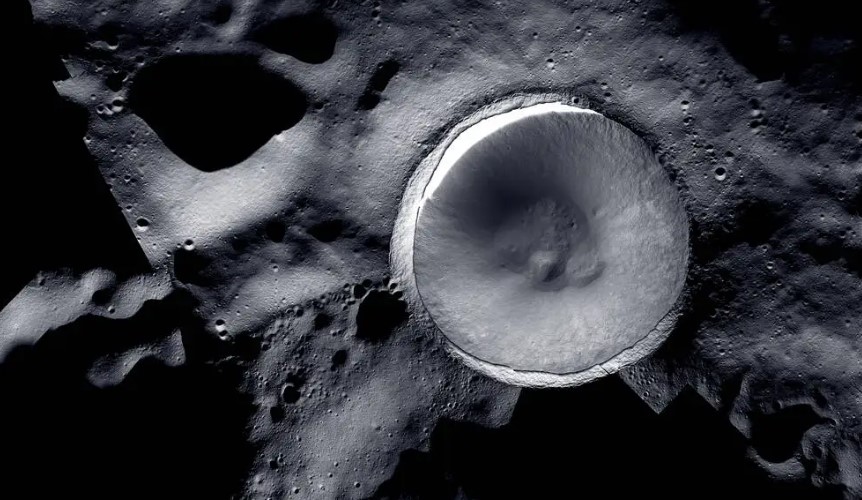
The Chang'e-7 mission was poised to be a significant step in China's lunar exploration program. The mission's primary objective is to locate and study water ice deposits within the permanently shadowed craters of the Moon's south pole, such as the Shackleton crater. These areas are of immense scientific interest due to their potential to provide insights into the Moon's history and resources that could support future lunar bases.
However, the mission has encountered several hurdles. According to China's space agency, the mission does not currently meet the necessary conditions for launch. This decision reflects a cautious approach, prioritizing absolute success and reliability over rushing the launch. The technical intricacies involved in landing and operating in such extreme conditions, where temperatures can plummet below -200°C, present formidable challenges.
Weather-Related Delays
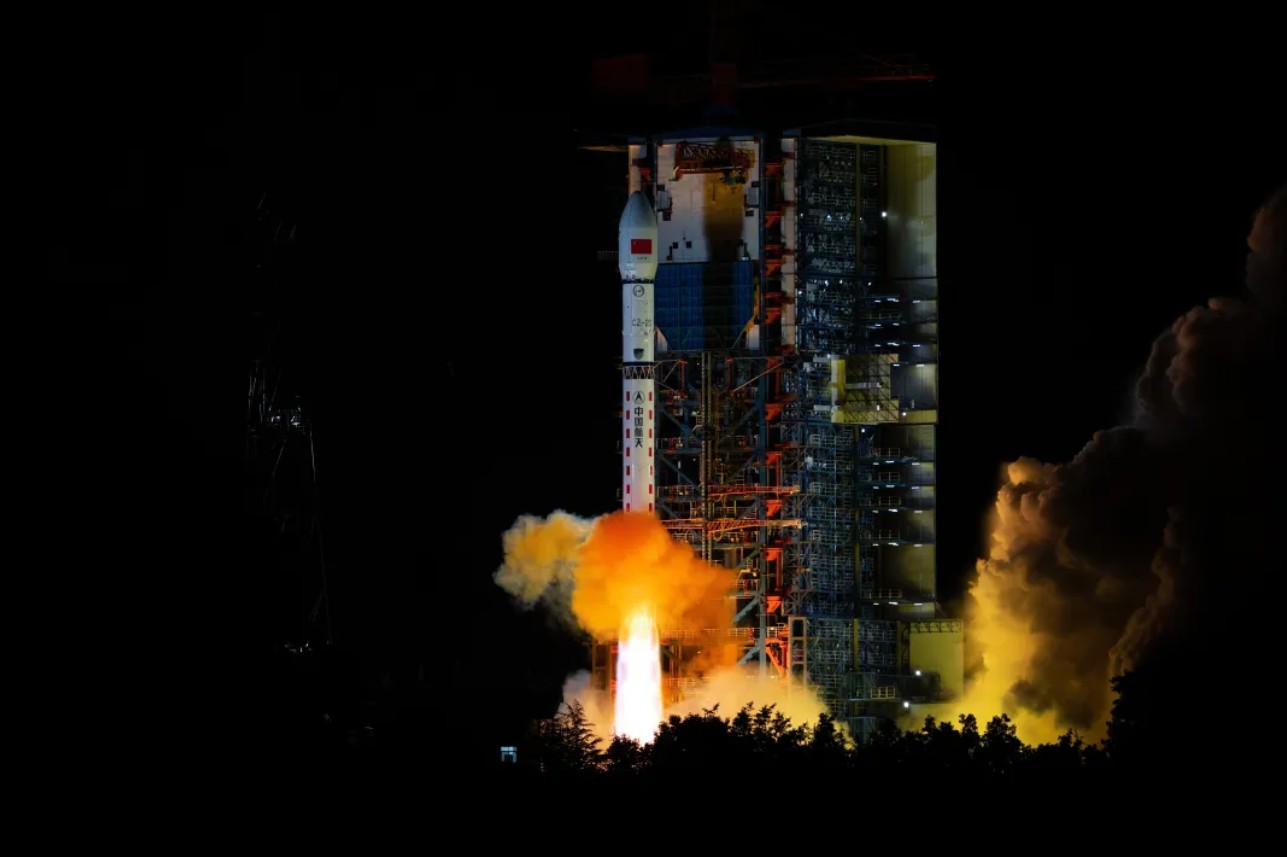
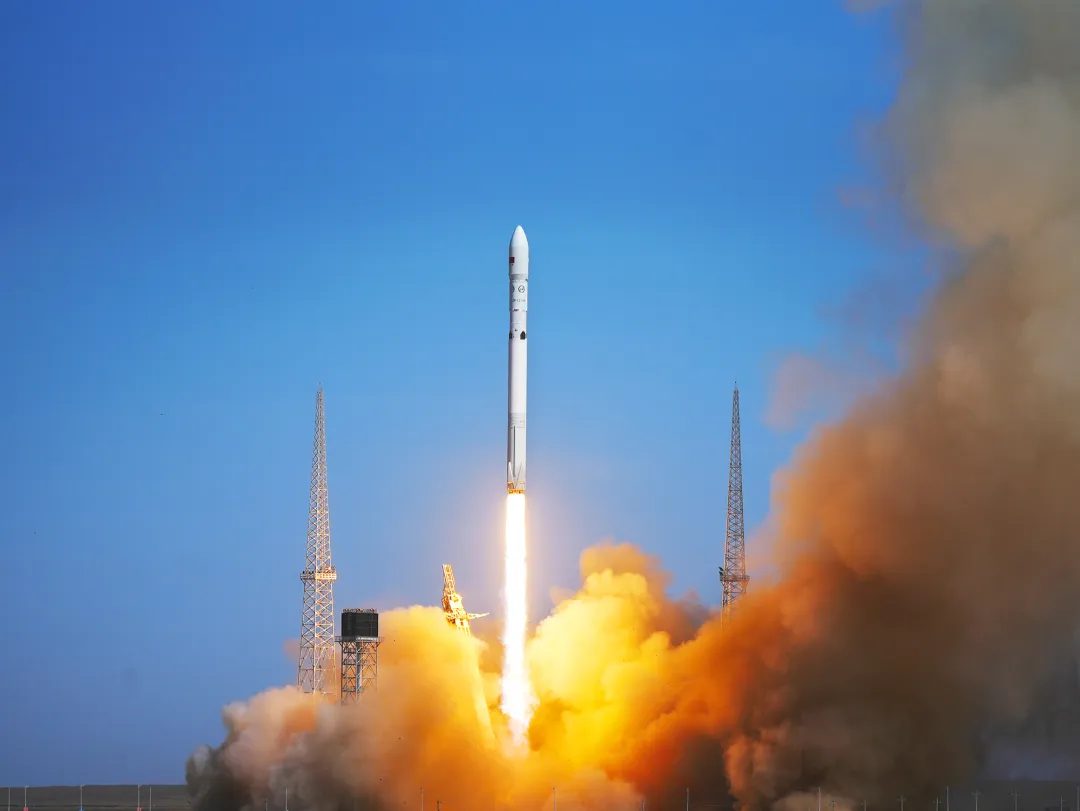
In addition to technical considerations, adverse weather conditions have also played a role in the delay. The Chang'e-7 spacecraft was scheduled to launch from the Wenchang Space Launch Site on Hainan Island, but unfavorable weather has indefinitely postponed the launch. The combination of these factors has led to the decision to push the mission to a later date, with no new target date announced yet.
Significance of the Mission
The importance of the Chang'e-7 mission cannot be overstated. Discovering and understanding water ice on the Moon is crucial for future lunar exploration and potential colonization. Water ice could serve as a resource for producing oxygen and hydrogen, essential for life support and fuel. Therefore, accessing these deposits is a priority for space agencies worldwide.
The mission's delay, while disappointing, highlights the complexities of space exploration and the need for meticulous planning and execution. As China continues to develop its capabilities in space exploration, the lessons learned from these challenges will be invaluable for future missions.