China is on the brink of launching a pivotal lunar mission with the Chang'e-7, aiming to explore the moon's south pole and search for water ice. Scheduled for launch late Sunday, the mission will depart from the Wenchang Satellite Launch Center on Hainan Island aboard a Long March 5 rocket. This mission is part of a broader effort by China to establish a sustained presence on the moon, with implications for both scientific discovery and future lunar colonization.
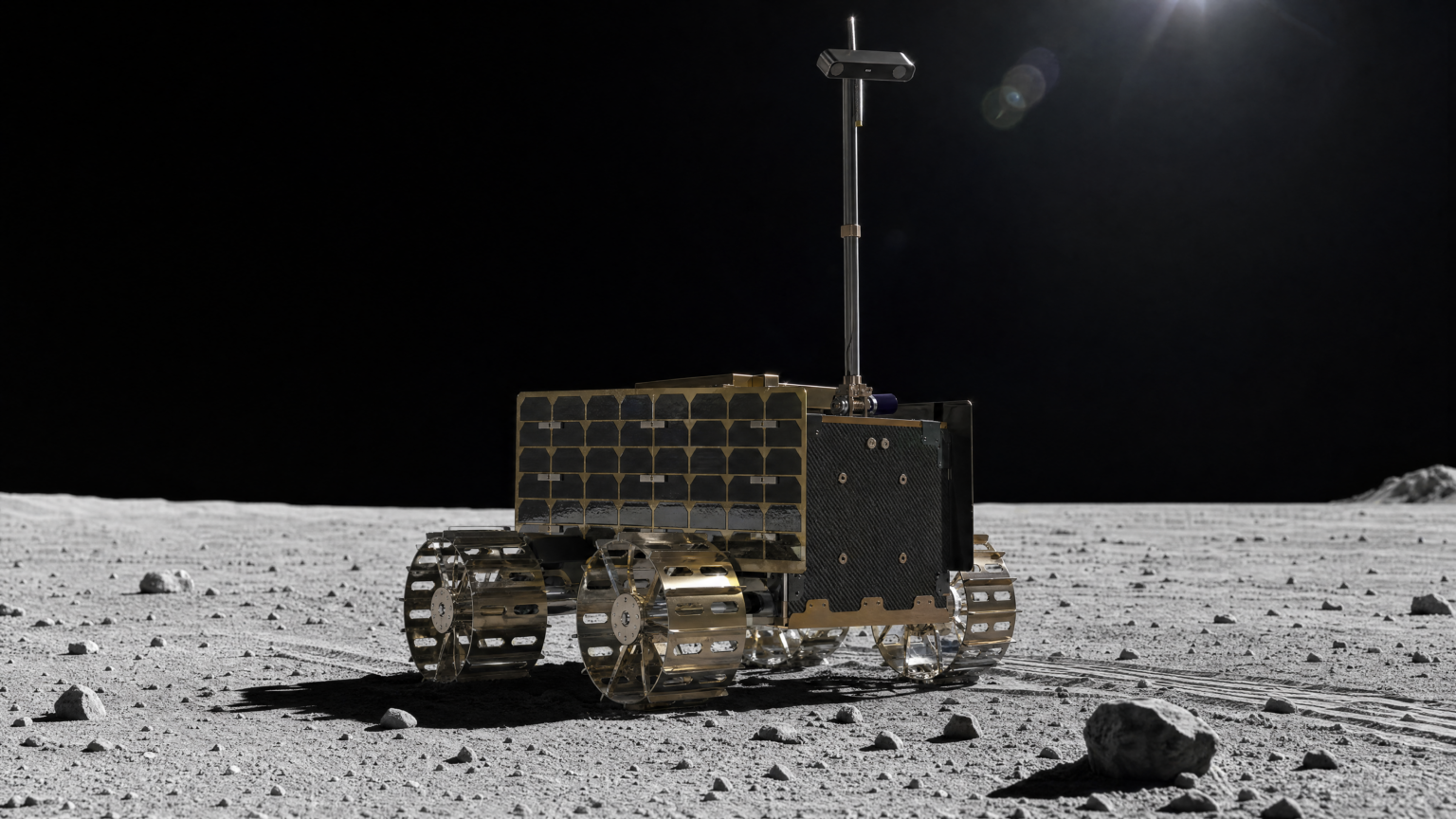
The Chang'e-7 mission marks a significant step in China's lunar exploration program. It comprises a complex stack of spacecraft, including an orbiter, lander, rover, and a unique hopper designed to explore shadowed craters. These shadowed regions, often referred to as 'cold traps,' are believed to contain volatiles such as water ice, which have been detected through remote sensing but not yet confirmed in-situ.
The lunar south pole is of particular interest to scientists because its permanently shadowed regions may harbor significant amounts of water ice. This discovery could be transformative for future lunar missions, as water is a crucial resource for potential lunar bases, offering both a source of drinking water and a means to produce oxygen and rocket fuel.
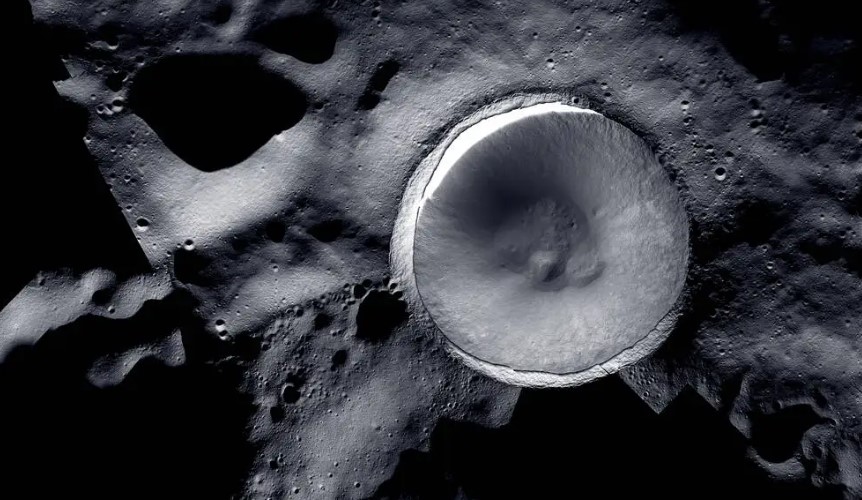
One of the key objectives of the Chang'e-7 mission is to perform a precise landing near the Shackleton crater, a location that has garnered interest due to its unique environmental conditions. Engineers from the China Academy of Space Technology highlight the challenge of landing in a region where the sun barely rises above the horizon, casting long shadows and narrowing landing zones to roughly 100 meters across. This precision landing capability will be crucial for the success of the mission, as it aims to maximize solar illumination for extended operation and access shadowed regions where water ice may exist.
The mission's hopper spacecraft is especially notable, designed to make multiple flights into these shadowed craters to perform drilling and sampling. This capability could provide unprecedented in-situ measurements of the moon's volatile content, offering valuable data that could inform both scientific understanding and resource utilization strategies.
This mission is not an isolated endeavor but a precursor to China's ambitious plans for the moon. Together with the upcoming Chang'e-8 mission, set for around 2029, Chang'e-7 will lay the groundwork for the International Lunar Research Station (ILRS), a planned lunar base that underscores China's commitment to long-term lunar exploration.
As China prepares for the Chang'e-7 launch, the mission represents not only a technical challenge but also a strategic move in the global arena of space exploration. With major spacefaring nations like the United States and Russia also eyeing the lunar south pole, the region is becoming a focal point for international lunar exploration efforts.
The outcome of Chang'e-7 could have significant implications for future lunar missions, especially those focused on in-situ resource utilization (ISRU). The ability to extract and utilize lunar resources could dramatically reduce the cost and complexity of sustained lunar operations, making the dream of a permanent human presence on the moon more attainable.