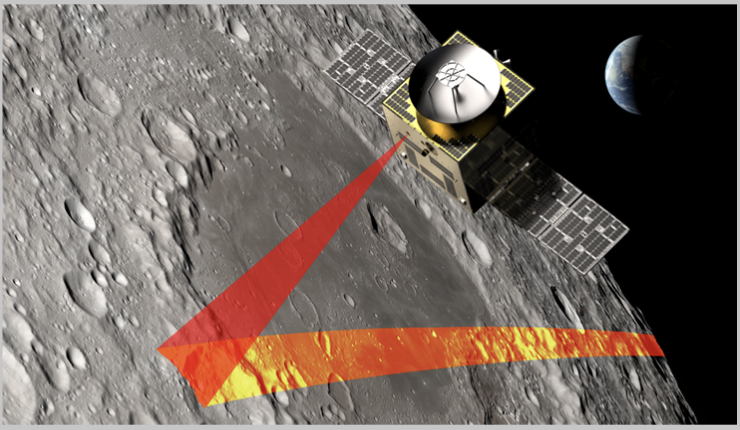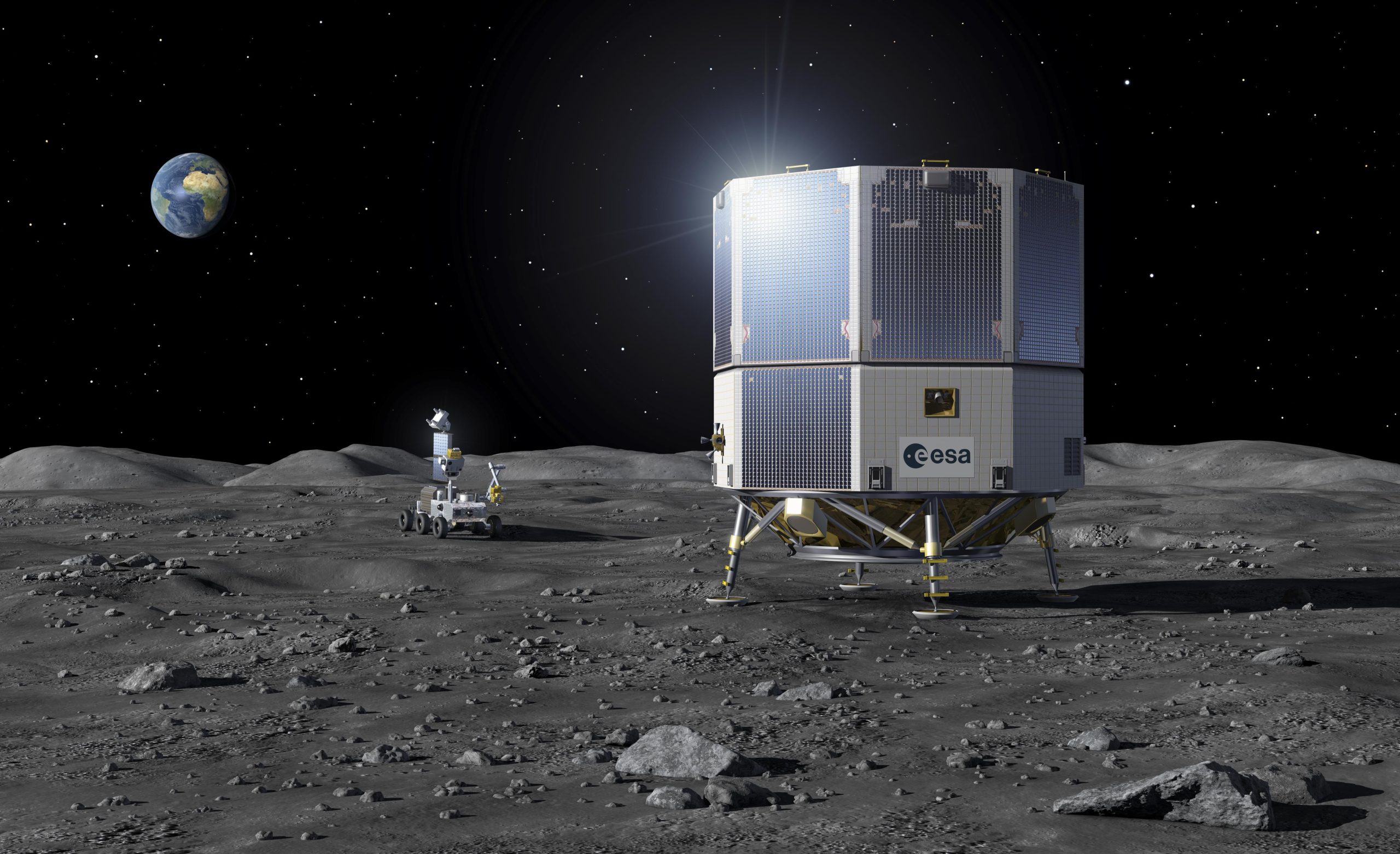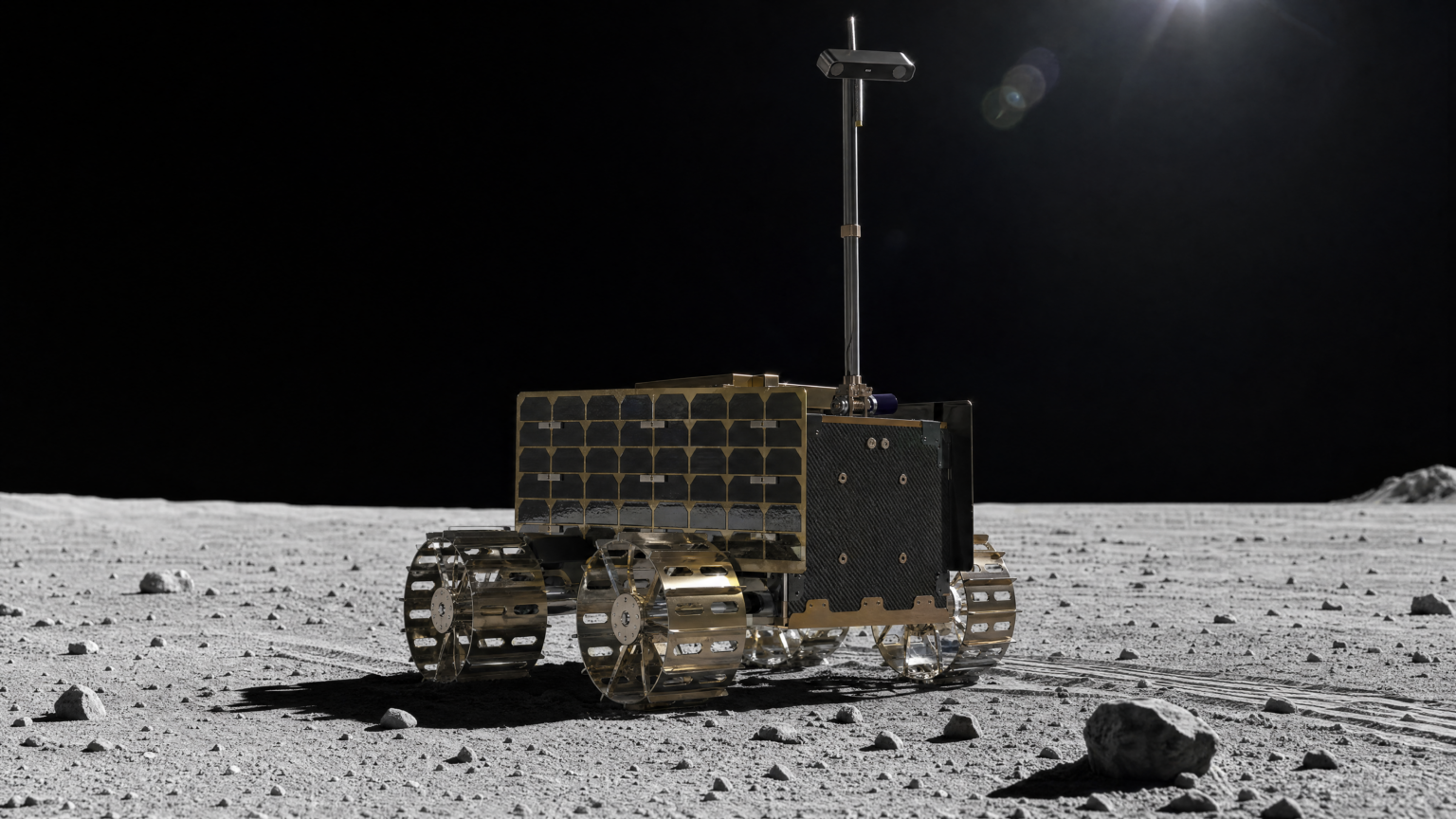
The European Space Agency (ESA) has taken a significant step forward in lunar exploration by awarding a €65 million contract to ispace-Europe for the development and delivery of the MAGPIE lunar rover. The Mission for Advanced Geophysics and Polar Ice Exploration (MAGPIE) is designed to explore the Moon's south pole, specifically targeting water ice deposits that could support future human habitation.
This collaboration marks a historic first for ispace-Europe, a Luxembourg-based company, as it undertakes the role of the industrial prime contractor for an ESA mission. Traditionally, such roles have been reserved for larger system integrators. Julien-Alexandre Lamamy, CEO of ispace-Europe, emphasized the mission's significance, stating, "MAGPIE represents a major step forward for European lunar exploration."
The ambitious project is part of ESA’s Small Missions for Exploration initiative, which aims to conduct impactful exploration missions with modest budgets and a faster implementation timeline. Despite the initiative's goal of maintaining a €50 million cost cap, the MAGPIE mission's contract exceeds this target, reflecting the complexity and scope of the endeavor. ESA has not commented on this budgetary discrepancy.
Scheduled for launch in 2029, MAGPIE will be delivered to the lunar surface aboard ispace’s Mission 4 lander. The mission will focus on characterizing volatile deposits and analyzing regolith properties, providing crucial data for potential resource extraction. The rover's success could pave the way for sustained human presence on the Moon by identifying usable water ice in permanently shadowed craters.
The collaborative effort extends beyond European borders, involving the Japanese Space Agency (JAXA), which will provide transportation support to the Moon. This international partnership exemplifies the growing cooperation between ESA and JAXA in addressing common lunar exploration challenges. ESA Lunar Programme Manager Sara Pastor highlighted the diplomatic significance of the mission, noting the unprecedented collaboration between European science and Japanese logistics.
As part of the mission's development, ispace-Europe will manage the end-to-end process, including mission design, rover development, and the delivery of scientific data. This approach is reminiscent of NASA’s Commercial Lunar Payload Services (CLPS) model, although ESA’s contract includes both the rover and the scientific data, unlike CLPS, which focuses on the delivery service alone.
The MAGPIE mission follows ispace-Europe's earlier project, TENACIOUS, which aimed to deploy a lunar rover but was unsuccessful due to a landing failure. The lessons learned from TENACIOUS will undoubtedly inform the development and execution of MAGPIE, enhancing the mission's prospects for success.
The broader implications of MAGPIE extend to the future of lunar exploration. By successfully identifying and analyzing water ice deposits, the mission could provide vital insights into the Moon's resources, supporting the long-term goal of establishing a sustainable human presence on the lunar surface. Furthermore, the mission's success could encourage further international collaborations, leveraging the unique strengths of various space agencies and commercial partners.
In summary, the MAGPIE mission represents a bold step forward in ESA's lunar exploration efforts, promising to advance our understanding of the Moon's polar regions and their potential resources. With significant backing from both ESA and JAXA, and ispace-Europe's leadership, the mission is poised to make substantial contributions to the future of space exploration and the dream of human settlement beyond Earth.