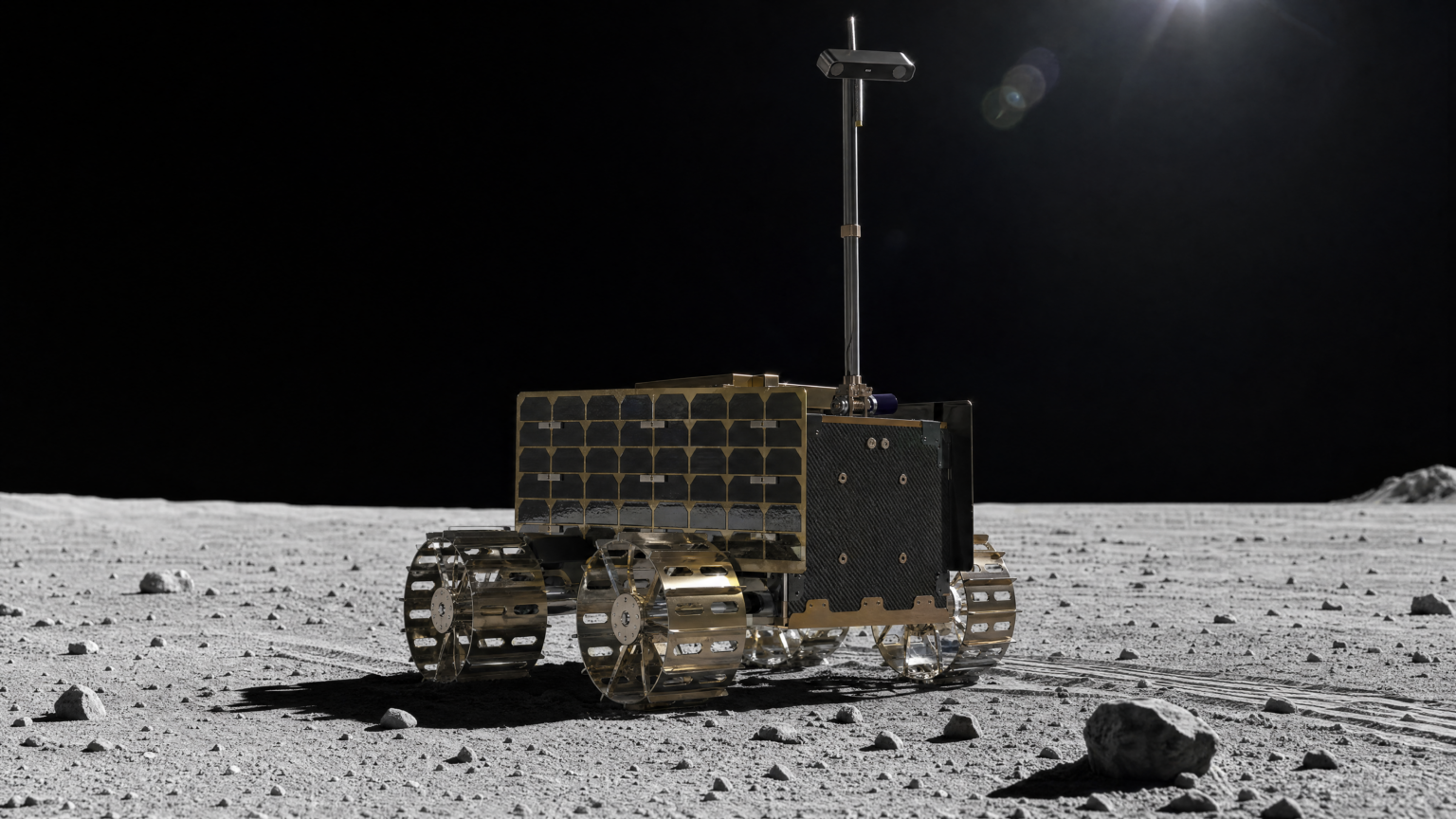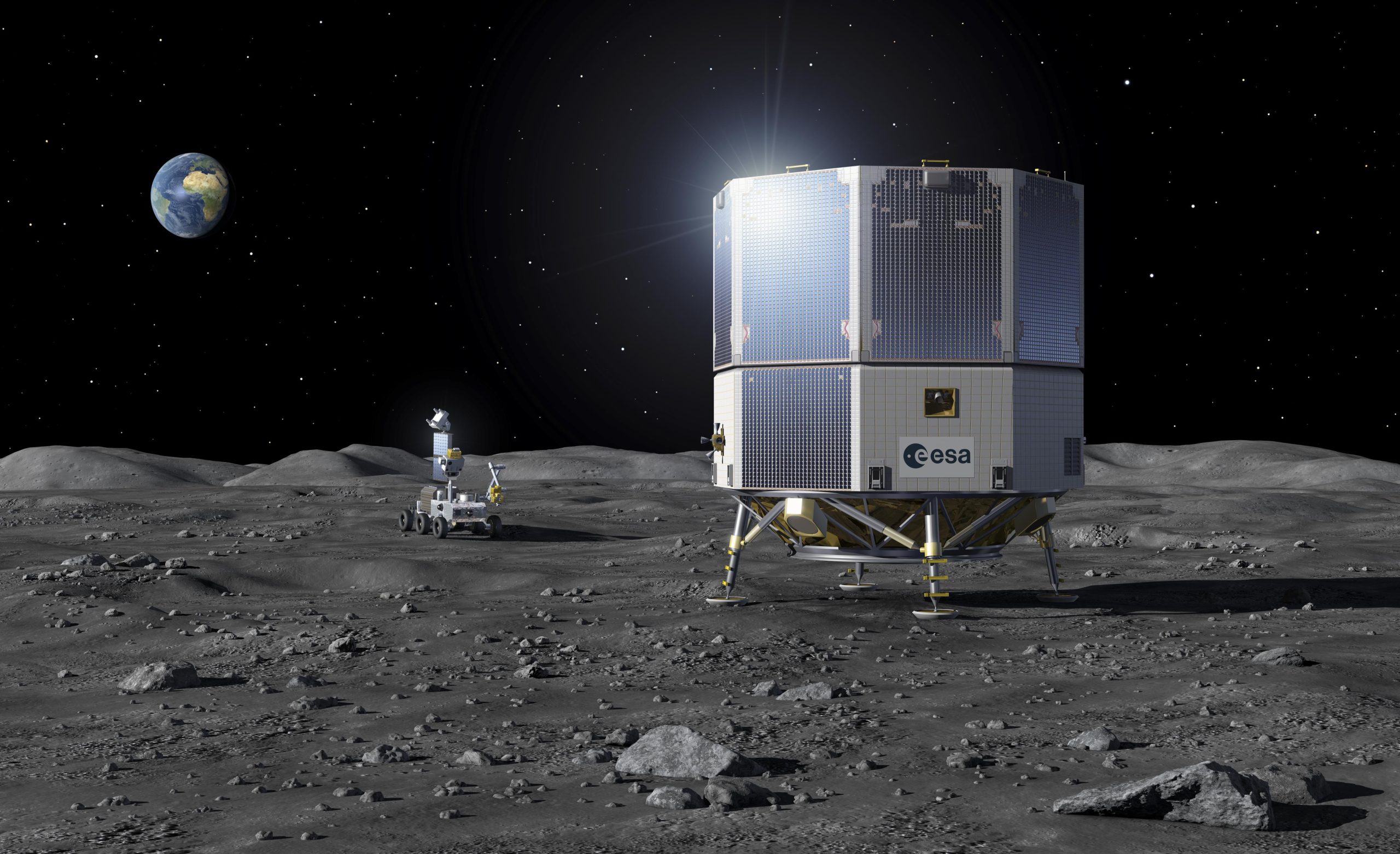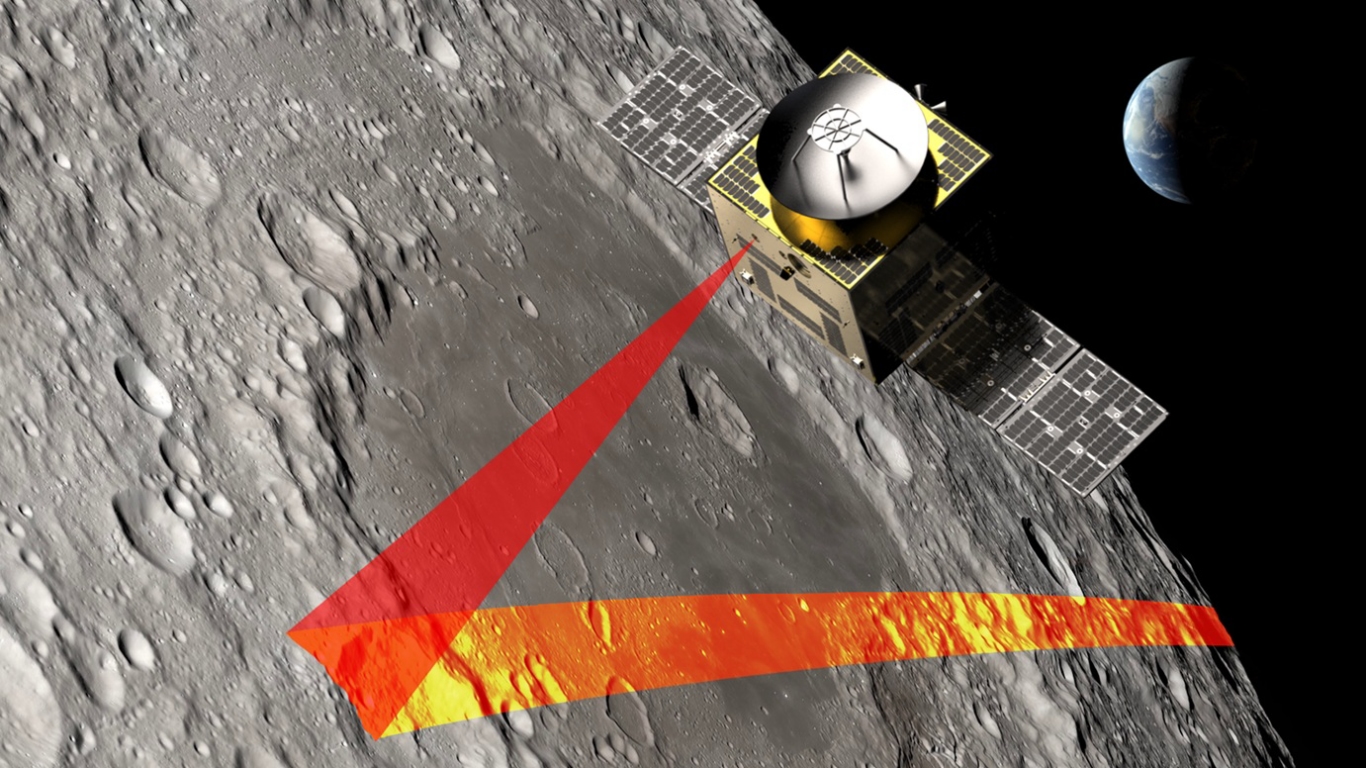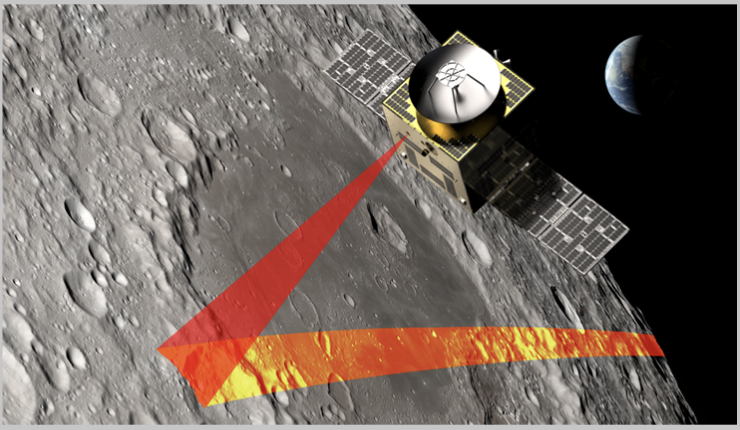
Lunar Outpost Europe, a subsidiary of the US-based lunar terrain vehicle manufacturer, has officially announced its participation in the European Space Agency's (ESA) Moonraker mission, slated for launch in 2030. This initiative, spearheaded by NUVIEW GmbH, aims to advance our understanding of the Moon through a comprehensive 3D mapping of its surface, particularly focusing on potential landing sites at the lunar South Pole.
The Moonraker mission will deploy a lunar orbiting satellite equipped with LiDAR technology, a sophisticated tool for creating high-resolution maps of the Moon's topography. This technology will be crucial for future lunar missions, providing detailed insights into the lunar surface that are essential for safe landing and exploration operations.
A key contribution from Lunar Outpost Europe to this mission is the development of advanced thermal management solutions. The lunar environment is characterized by extreme temperature fluctuations, which pose significant challenges to the operation of spacecraft. The thermal management systems being developed by Lunar Outpost Europe are designed to ensure the satellite's resilience against these harsh conditions.
Interestingly, Lunar Outpost is not merely repurposing its existing lunar terrain vehicle components for Moonraker. Instead, the company is innovating from the ground up, aiming to gain flight heritage on these thermal components through an in-orbit demonstration mission in low Earth orbit (LEO) before the Moonraker launch. This demonstration mission, funded by the European Commission, will provide valuable data to refine and enhance the thermal management systems that will be integral to the Moonraker satellite.
The insights gained from the Moonraker mission are expected to significantly inform the development of Lunar Outpost's LUX-Thermal platform, which is a critical step towards enabling hardware to survive the icy lunar nights. The Moonraker mission thus represents a pivotal moment for Lunar Outpost, validating its strategic decision to expand operations into Europe and demonstrating its capacity to engage with a diverse array of international clients beyond NASA's deep-space exploration projects.
Lunar Outpost's involvement with ESA's Moonraker mission is part of a broader portfolio of at least nine upcoming missions expected to launch by 2030. These missions include collaborations with the Australian Space Agency to demonstrate Australian technologies on the Moon, such as systems for cultivating crops in the lunar environment. Additionally, Lunar Outpost is preparing for Lunar Voyage 3, a fully commercial mission that will transport scientific and commercial payloads to the lunar surface via an Intuitive Machines lander.
Furthermore, Lunar Outpost is planning another demonstration mission in LEO to test autonomous swarm operations for the US Air and Space Forces, highlighting the company's innovative and diversified approach to space exploration challenges.
The participation of Lunar Outpost in the Moonraker mission reflects the increasing globalization of space exploration efforts. This mission is not only a testament to the growing capabilities of private space companies but also signifies the strengthening of international collaborations in the pursuit of lunar exploration. As global interest in the Moon continues to rise, missions like Moonraker will play a crucial role in laying the groundwork for future lunar exploration and potential human settlement.