The European Space Agency (ESA) is taking significant steps to bolster its presence in lunar exploration through the development of the Argonaut lunar lander. Initially relying on external lunar topographic data, ESA aims to eventually create its own mapping capabilities as it prepares for its first mission slated for 2030.
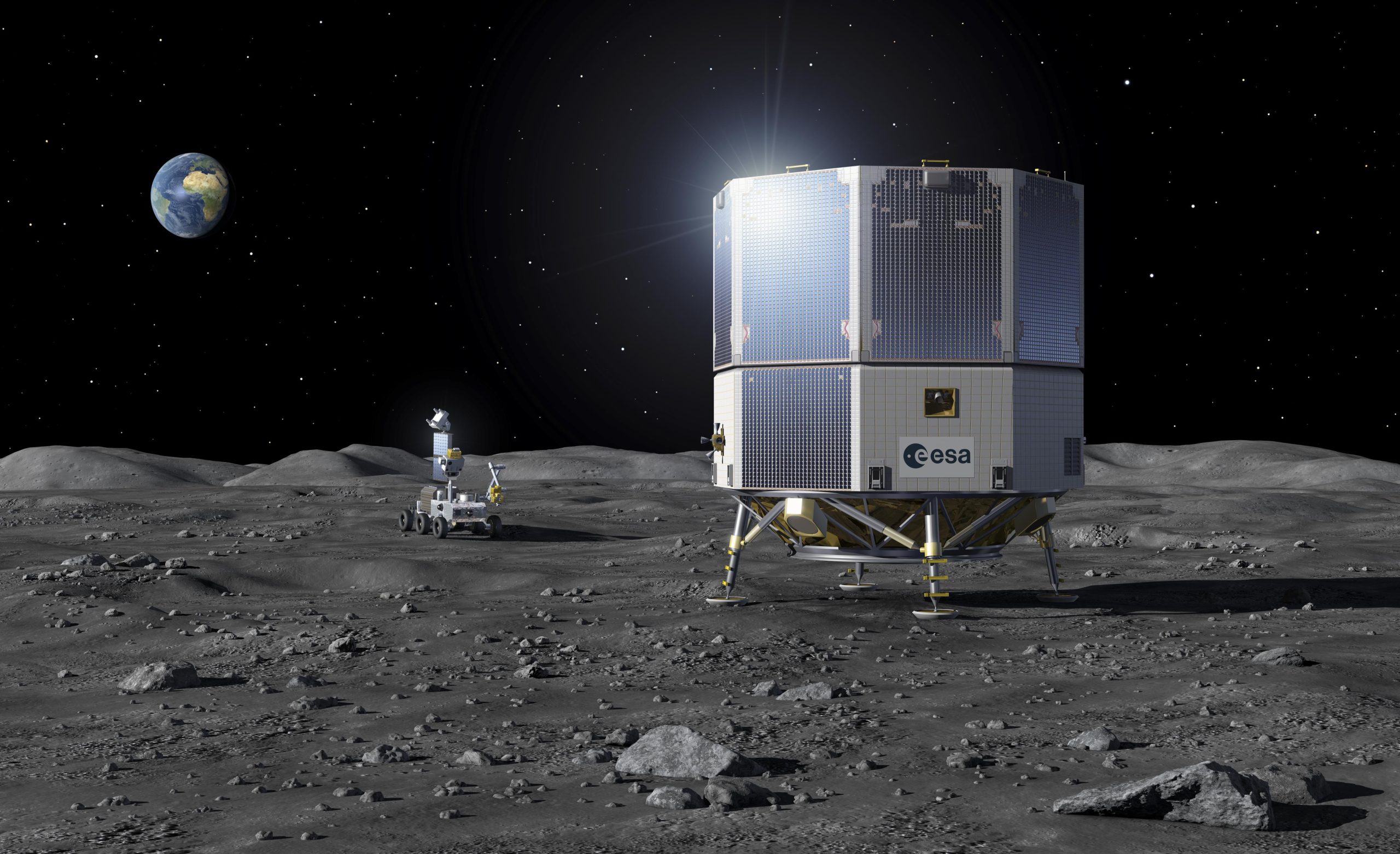
Argonaut, first proposed at ESA’s Ministerial Council in Paris in 2022 and reaffirmed at the 2025 ministerial meeting, represents a monumental effort by Europe to gain independent access to the lunar surface. The lander is designed not only to support NASA’s Artemis program but also to establish Europe as a formidable player in lunar exploration.
Over the past two decades, several nations with lunar aspirations have heavily invested in high-resolution topographic mapping. Such maps are crucial for identifying safe landing zones and potential sites for future lunar infrastructure. However, Europe currently lacks its own sovereign lunar topographic data, which presents a challenge for the Argonaut project.
Given this gap, ESA will initially depend on existing mission data, which can be procured from other providers. Daniel Neuenschwander, ESA's director of human and robotic exploration, highlighted this approach during a briefing following ESA’s 347th Council meeting on June 17. He noted that the agency is utilizing available mission data during the design phase and potentially for Argonaut's first mission.
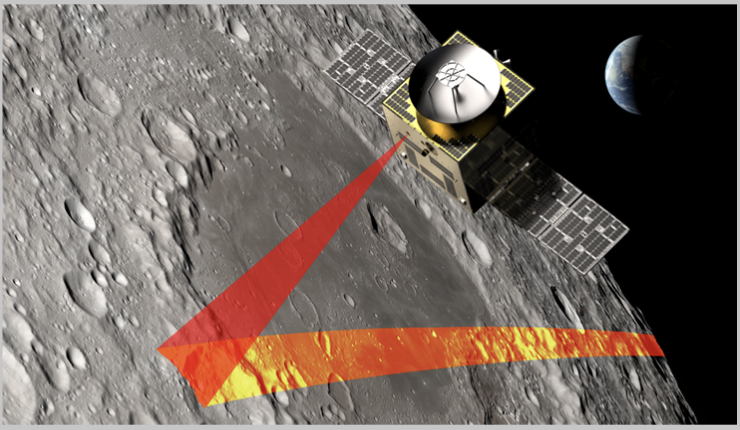
While not confirmed, the United States, India, and China are the most likely nations to provide lunar maps to Europe. NASA’s Lunar Reconnaissance Orbiter, launched in 2009, has produced global lunar topographic maps at about 100 meters per pixel, with targeted imaging extending to approximately 0.5 meters/pixel. Similarly, India's Chandrayaan-2 Orbiter, launched in 2019, boasts one of the highest-resolution lunar mapping instruments currently operational, capable of imaging selected areas at about 0.25 meters/pixel. China has also developed substantial lunar mapping capabilities, beginning with its Chang’e-1 mission, to support future landing and exploration activities.
The financial details regarding the procurement of topographic data from these sources remain undisclosed. However, ESA is determined to develop its own lunar mapping capabilities for future missions. Neuenschwander emphasized that ESA has prioritized lunar mapping for upcoming smaller lunar missions. These missions, currently competing among themselves, will focus particularly on mapping the lunar south pole, creating a database essential for future landings.
The Argonaut lander is engineered to deliver up to 1,500 kilograms of cargo to the lunar surface. Its inaugural mission is targeting a landing at the lunar south pole in 2030, with subsequent missions planned every two to three years. This capability will not only contribute to the international lunar exploration agenda but will also provide Europe with a strategic foothold on the Moon.
The development of Argonaut is pivotal for ESA’s long-term lunar ambitions. By cultivating its own lunar mapping capabilities, Europe aims to reduce its dependency on external data and establish autonomy in space exploration. This advancement is crucial as the global interest in lunar exploration intensifies, with the Moon increasingly seen as a stepping stone for further solar system exploration, including eventual missions to Mars.
As ESA progresses with Argonaut, it is also fostering international collaborations, reflecting a broader trend in space exploration where cooperation is key to overcoming the immense technical and financial challenges involved. The success of Argonaut could open new avenues for European companies and researchers, enhancing their role in the burgeoning lunar economy.
In conclusion, ESA’s Argonaut lander project is a significant stride towards European autonomy in lunar exploration. By developing its own lunar mapping capabilities and contributing to international initiatives like NASA's Artemis program, ESA is positioning itself at the forefront of the next wave of space exploration.