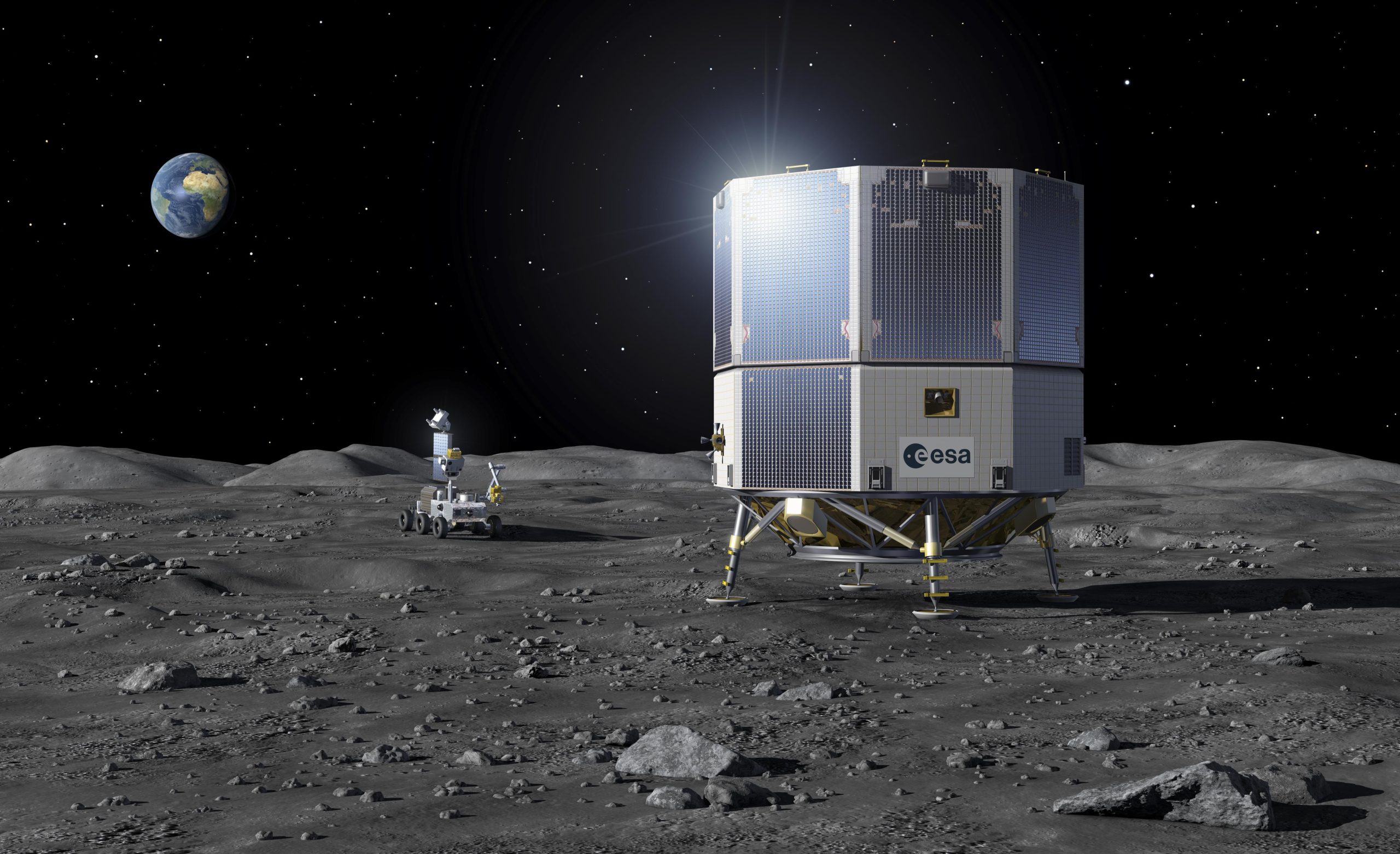
US-based space technology company Redwire has delivered an initial prototype of a robotic arm that could play a pivotal role aboard the European Space Agency's (ESA) Argonaut lunar lander. The announcement, made on 21 May 2026, marks a significant milestone in the development of advanced robotic systems for lunar exploration, arriving just as ESA opens a new call for proposals to demonstrate similar technology aboard the lander's inaugural mission, currently projected to launch in 2030.
The MANUS System: A Multi-Use Robotic Arm for the Moon
The robotic arm in question is formally known as the Manipulator for Argonaut Payload Needs and Unloading Support (MANUS) system — a multi-use robotic platform designed specifically for ESA's future lunar lander. In early 2024, ESA awarded contracts to two companies to each deliver an initial prototype of the MANUS system: Redwire and Poland's PIAP Space. The goal was to validate the core features of competing designs before selecting a system for potential integration into the Argonaut lander.
Under its contract, Redwire committed to building an initial prototype to validate the system's core features, with the company also retaining the ability to "compete for a follow-on contract" based on the results. Work on the arm is being carried out by Redwire's European subsidiary, based in Luxembourg, underlining the increasingly transatlantic nature of lunar exploration partnerships.
On 21 May 2026, Redwire announced the successful delivery of the MANUS Breadboard Model to ESA. The delivery followed a comprehensive test campaign that validated the performance of both the robotic arm itself and a tool-changer system — a key feature that would allow the arm to swap between different end-effectors depending on the task at hand.
What Can the MANUS Arm Actually Do?
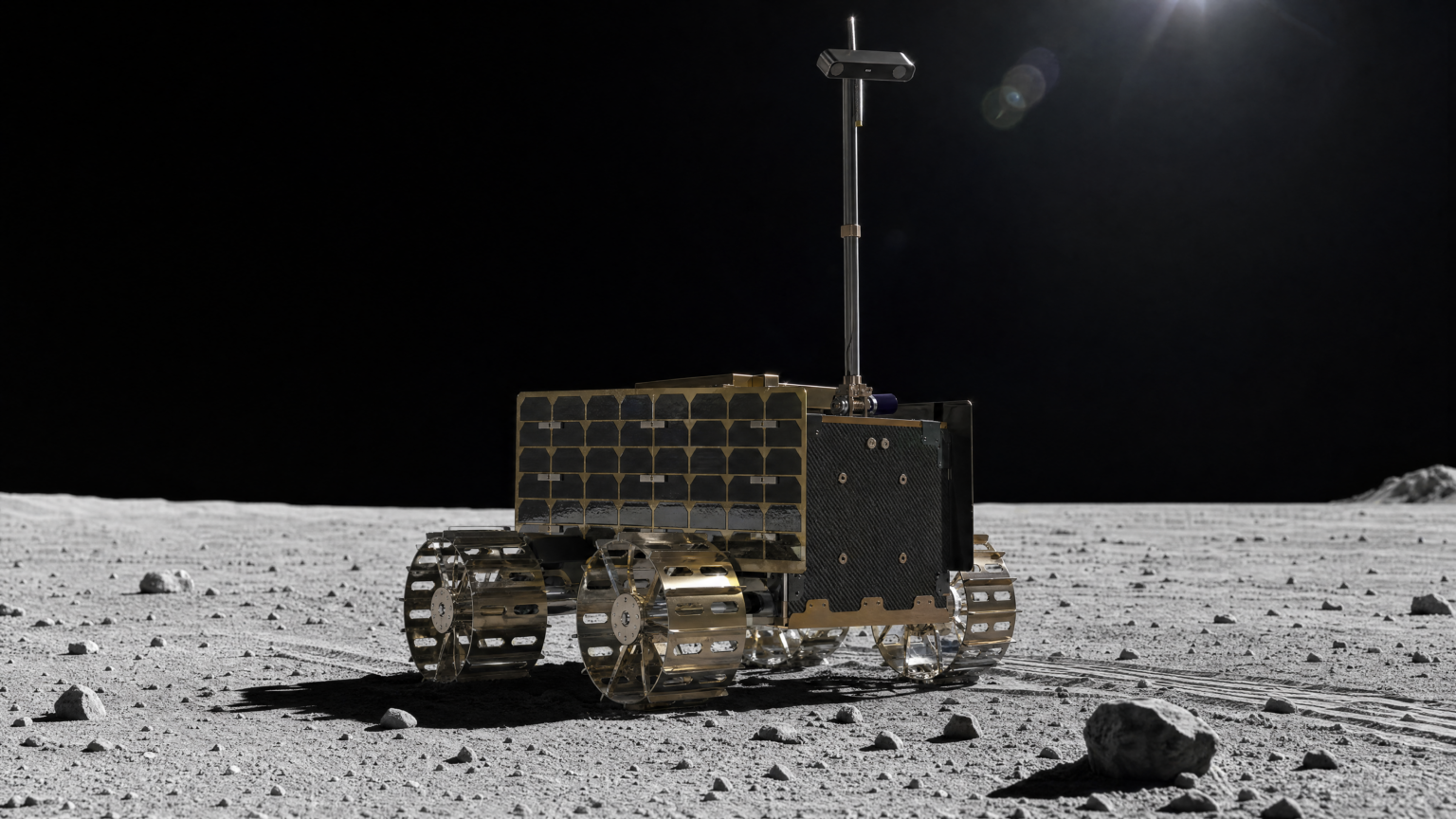
According to Redwire, the MANUS robotic arm is designed to perform a range of critical lunar surface operations. These include loading and unloading cargo from the lander, transferring power to surface assets such as rovers, and collecting lunar regolith samples for scientific analysis. These capabilities are essential for supporting both robotic and future human activities on the Moon, where precise, reliable manipulation systems will be indispensable for long-duration surface operations.
The competing prototype from PIAP Space, however, appears to be at an earlier stage of development. A January 2026 update from the Polish company indicated that its breadboard prototype was still yet to be built, suggesting Redwire currently holds a technical lead in the MANUS competition.
ESA Moves to the Next Phase: The Argonaut 1 Moon Robotic Payload Mission
Even as the MANUS prototypes are being evaluated, ESA is already advancing to what appears to be the next stage of the initiative. In late April 2026, ESA opened its Argonaut 1 Moon Robotic Payload Mission call, seeking proposals to demonstrate "key robotic manipulation technologies for European robotic Moon missions." According to ESA's Director of Human and Robotic Exploration, Daniel Neuenschwander, the mission will focus on "autonomous regolith sampling, lander inspection and payload deployment tasks" — applications that closely mirror those outlined for the MANUS system.
The call carries a maximum budget of €68 million. Its geo-return targets — mechanisms that ensure member states receive contracts roughly proportional to their financial contributions — favour work in Germany, Italy, Canada, Switzerland, Spain, and Poland. Germany holds the largest potential allocation, ranging from 35% to 60% of the total contract value.
The Bigger Picture: Building the Argonaut Lander
While the robotic payload mission call focuses on what will be carried aboard the first Argonaut lander, work on the lander's descent element — the structure that will physically deliver payloads to the lunar surface — is already well underway. In January 2025, ESA awarded a €862 million contract to Thales Alenia Space for this component. By November 2025, Thales Alenia Space had signed multiple contracts to finalise its industrial team, which includes the company's own subsidiaries in France and the UK, alongside additional partners.
The Argonaut program represents one of ESA's most ambitious contributions to the global return to the Moon. By developing a capable, versatile lunar lander equipped with advanced robotic systems like MANUS, ESA aims to establish a meaningful European presence in lunar exploration — supporting both scientific discovery and the infrastructure needed for sustained human activity on the Moon's surface.
Redwire's successful delivery of the MANUS Breadboard Model is a concrete demonstration that European and American space industry collaboration is producing tangible results. As ESA evaluates the prototype and advances its payload mission call, the coming months will be critical in determining which technologies and partners will ultimately shape humanity's next chapter of lunar exploration.
Stay up to date with the latest space news at NovA mAInd.