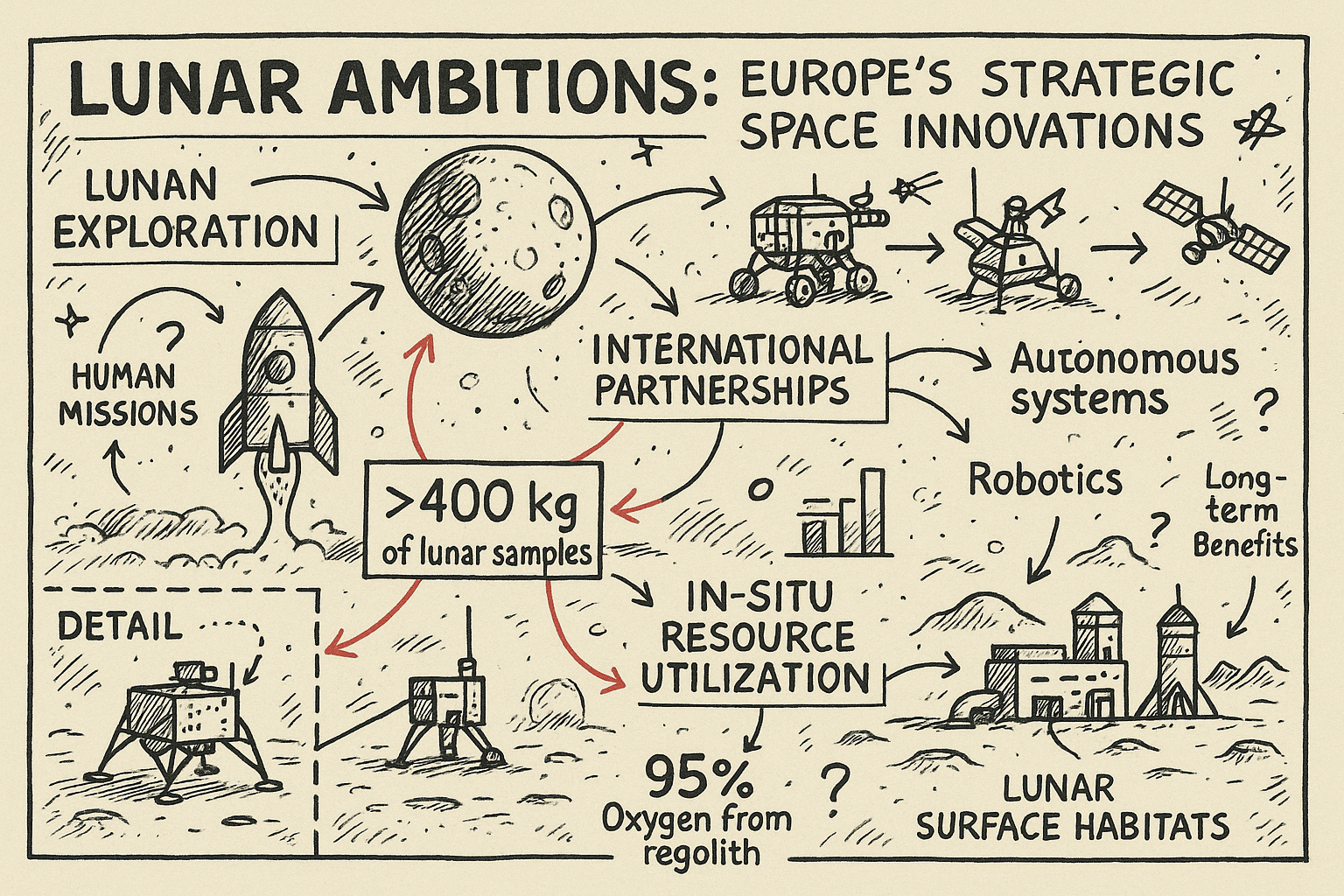
In recent years, Europe's space strategy has evolved dramatically with a focus on sustainable and collaborative lunar exploration. From the development of advanced rovers and reusable rockets to international partnerships, these efforts mark a new era in space exploration.
Italian Innovation: The ETNA Rover
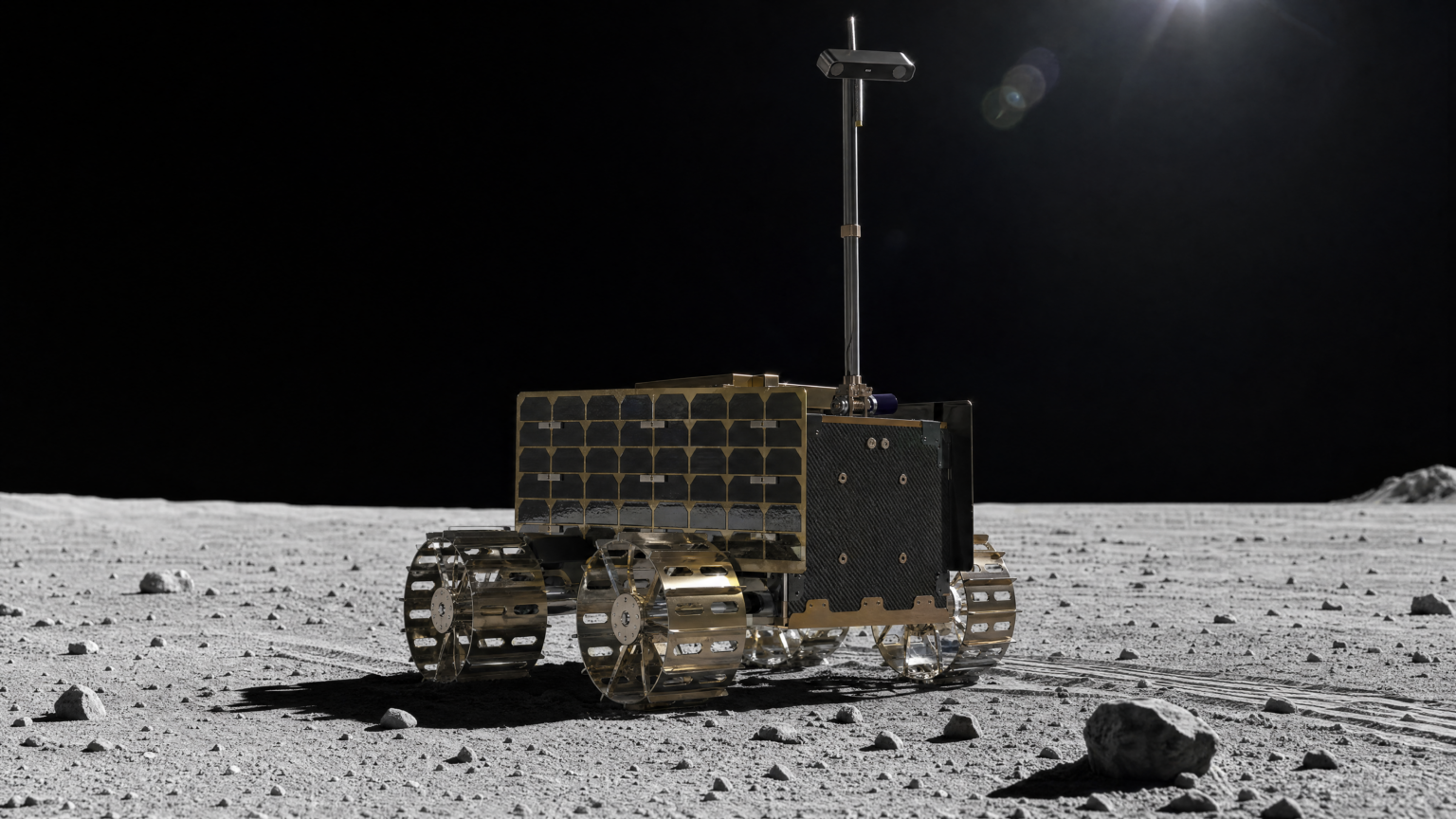
The successful testing of the ETNA rover on Italy's Mount Etna, akin to lunar terrain, exemplifies Europe's commitment to lunar exploration. Developed under the Universal Locomotion System by the Italian Space Agency (ASI), ETNA is engineered to navigate the Moon's challenging environment, aiming for the South Pole—a region of significant scientific interest due to its potential water ice reserves.
ESA's Vision: Repurposing Lunar Gateway Technology
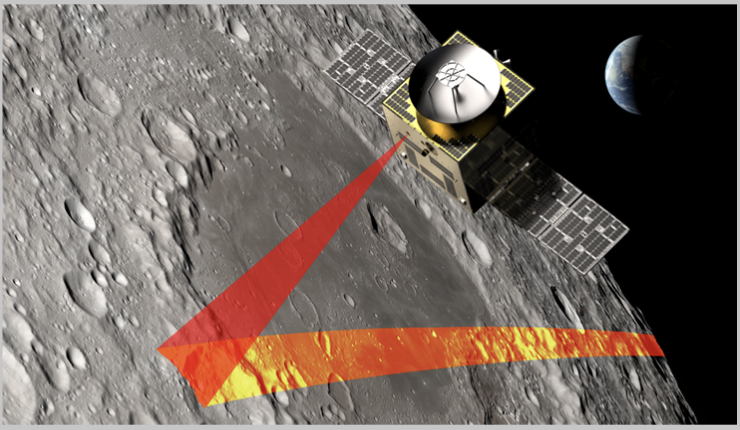
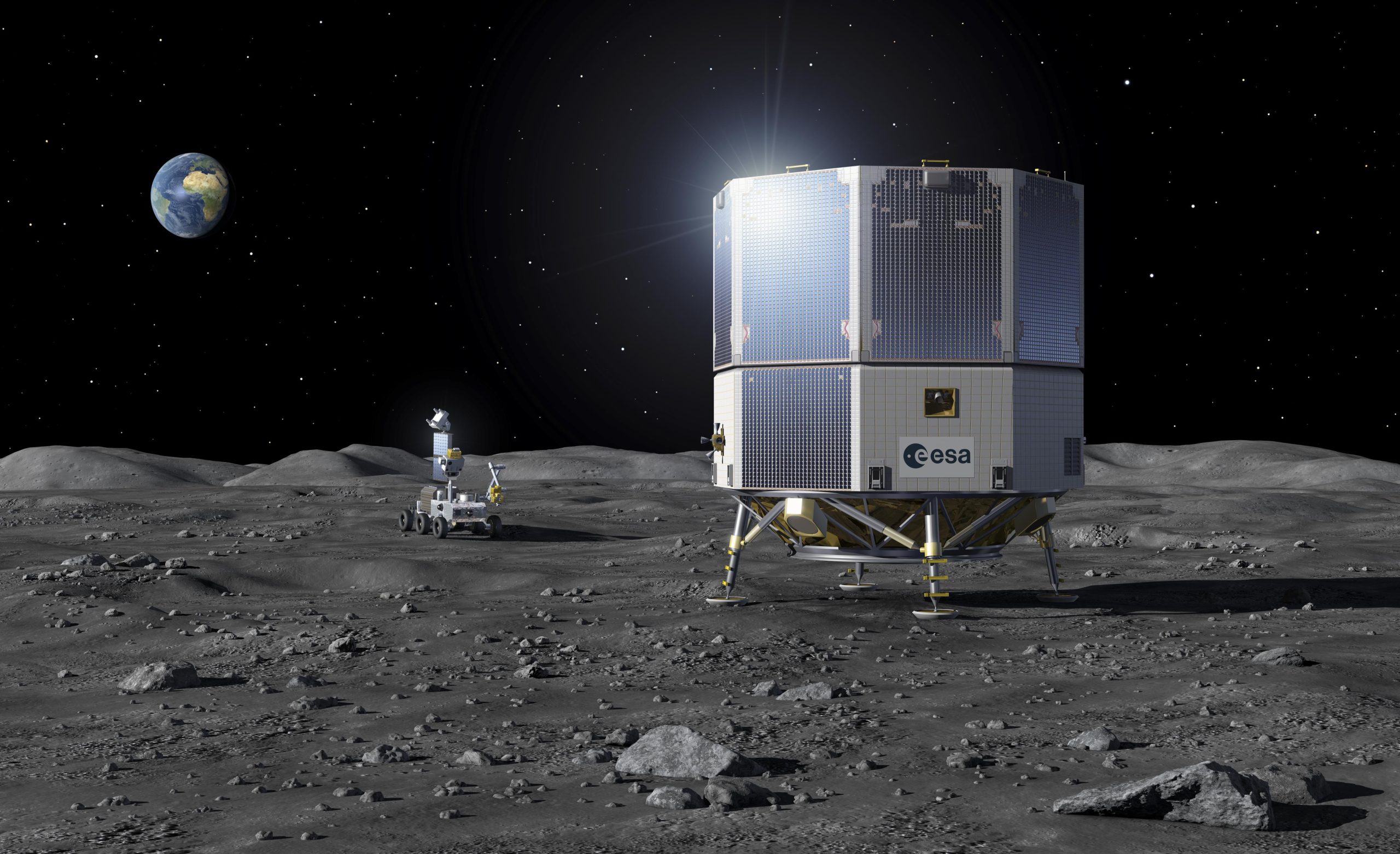
The European Space Agency (ESA) is exploring innovative uses for technologies originally developed for the Lunar Gateway. The proposal to adapt the Lunar Link module into a telecommunications satellite showcases ESA's strategic foresight in maximizing the utility of existing technologies, potentially enhancing communications for forthcoming lunar missions.
African Partnerships: Chang'e 8 and Africa2Moon
China's Chang'e 8 mission, featuring the African-developed BALLS payload, underscores a growing trend of international collaboration. This partnership not only empowers African nations in space technology but also amplifies the global effort towards comprehensive lunar exploration. The Africa2Moon initiative highlights the continent's increasing role in space science, potentially offering new scientific perspectives and technologies.
European Rocketry: Themis Reusability
Europe's venture into reusable rocket technology is embodied by the Themis project, which recently completed a Wet Dress Rehearsal. This marks a pivotal step in reducing costs and increasing the frequency of launches, aligning with global trends towards sustainable space travel.
Infrastructure Resilience: NASA and ESA's Ground Stations
Despite natural threats, such as the recent wildfires in Spain, the resilience of NASA and ESA's ground stations has been affirmed. This resilience is crucial for maintaining uninterrupted communication with deep-space probes, underscoring the importance of robust terrestrial infrastructure in supporting space missions.
Challenges in Orbit: LINK's Hurdles and PRISMA's Promise
Not all is seamless in Europe's space endeavors. Technical issues with the LINK vehicle, designed to elevate the Swift Observatory's orbit, highlight the complexities of in-orbit servicing. Conversely, the development of the PRISMA Second Generation satellite by OHB Italia promises advancements in Earth observation, enhancing our understanding of environmental changes.
These initiatives reflect a broader narrative of Europe positioning itself as a leader in space exploration. Through innovation, collaboration, and resilience, Europe is not only contributing to but also actively shaping the future of lunar exploration.