The European Space Agency (ESA) has recently granted a contract to a consortium led by NUVIEW, in partnership with SFL Missions Inc., to embark on Phase A of the Moonraker satellite project. This initiative marks a significant step in the efforts to enhance lunar exploration, particularly focusing on the south pole of the moon, which is a primary target for NASA's Artemis program and its long-term plans for a lunar base.
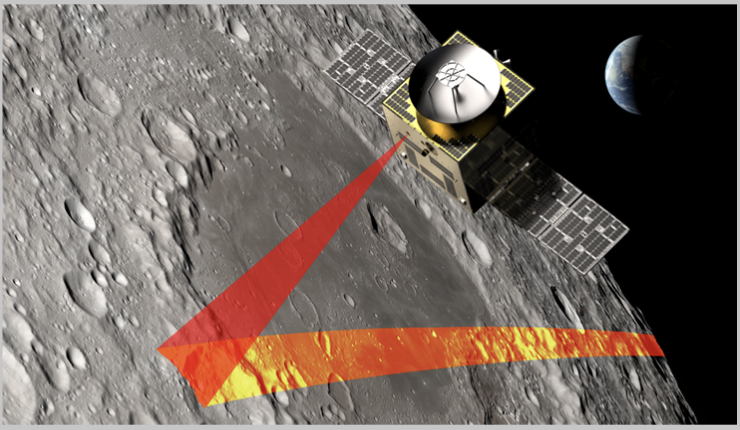
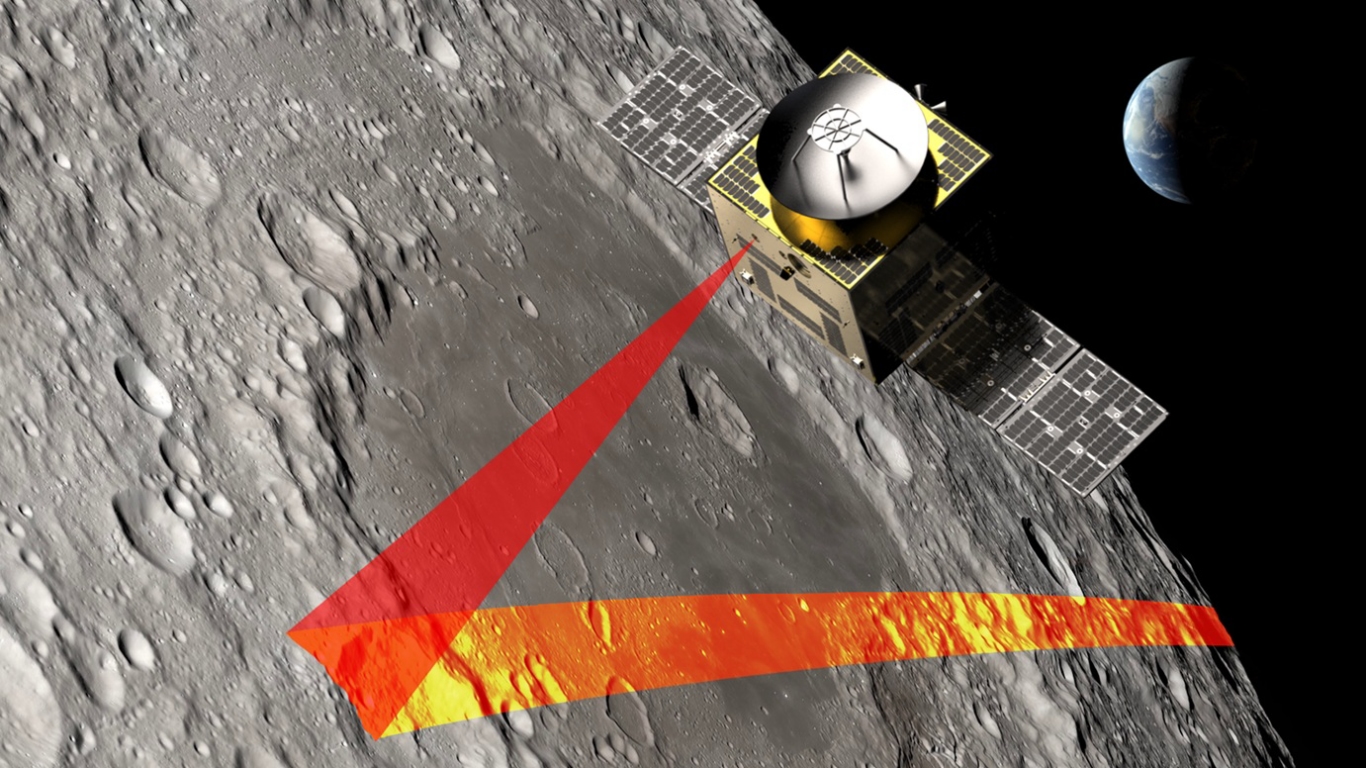
At the heart of this project is SFL Missions, a commercial spinoff from the University of Toronto Institute for Aerospace Studies Space Flight Laboratory. The company is tasked with the development of the spacecraft platform for Moonraker, which will play a crucial role in lunar mapping. Moonraker's key mission is to facilitate the safe landing of future astronauts by scanning the lunar surface with a light detection and ranging (LiDAR) payload to create detailed three-dimensional models of the terrain.
The development of the Moonraker satellite will be based on SFL Missions' DAUNTLESS-L platform, a scalable spacecraft design that can weigh up to 500 kilograms and support a payload of 300 kilograms. This platform must overcome various engineering challenges to ensure the LiDAR's functionality in the harsh conditions of deep space. These challenges include ensuring sufficient electrical power generation and battery storage to operate the payload, precision navigation for accurate data collection, and the integration of a high-gain antenna supplied by AEM Antennas, a Canadian manufacturer, to manage high-volume data downlinks to Earth.
Robert E. Zee, director of SFL Missions, expressed optimism about the project's potential, stating, "We see tremendous potential for Moonraker to contribute to lunar science, exploration, and future surface operations." The satellite's operation in a low polar orbit around the moon will require substantial propulsion capacity to maintain a stable trajectory despite the moon's uneven gravitational field. Additionally, the development of thermal control systems is crucial to protect the satellite's internal electronics from the extreme temperature fluctuations encountered in space.
NUVIEW's role in the project involves adapting its commercial Earth observation laser technology to the lunar environment, a task that presents its own set of challenges given the moon's unique conditions. The Moonraker initiative follows a concept study completed by SFL Missions in 2025, and during the current Phase A period, the consortium will work to refine system requirements and prove the technical feasibility of their design.
Upon successful completion of Phase A and if the project receives final approval, SFL Missions will proceed with spacecraft manufacturing, environmental testing, and on-orbit commissioning. The Moonraker project aligns with the broader goals of the Artemis program, aiming to establish a sustainable human presence on the moon by the end of the decade. By providing detailed maps of the lunar south pole, Moonraker will play a pivotal role in identifying safe landing sites and guiding mission planners in navigating the moon's challenging landscape.
This collaboration between ESA, NUVIEW, and SFL Missions underscores the growing international efforts and partnerships aimed at exploring and utilizing lunar resources. As lunar exploration continues to gain momentum, projects like Moonraker are essential in paving the way for future missions, potentially opening new avenues for scientific discovery and technological advancements.