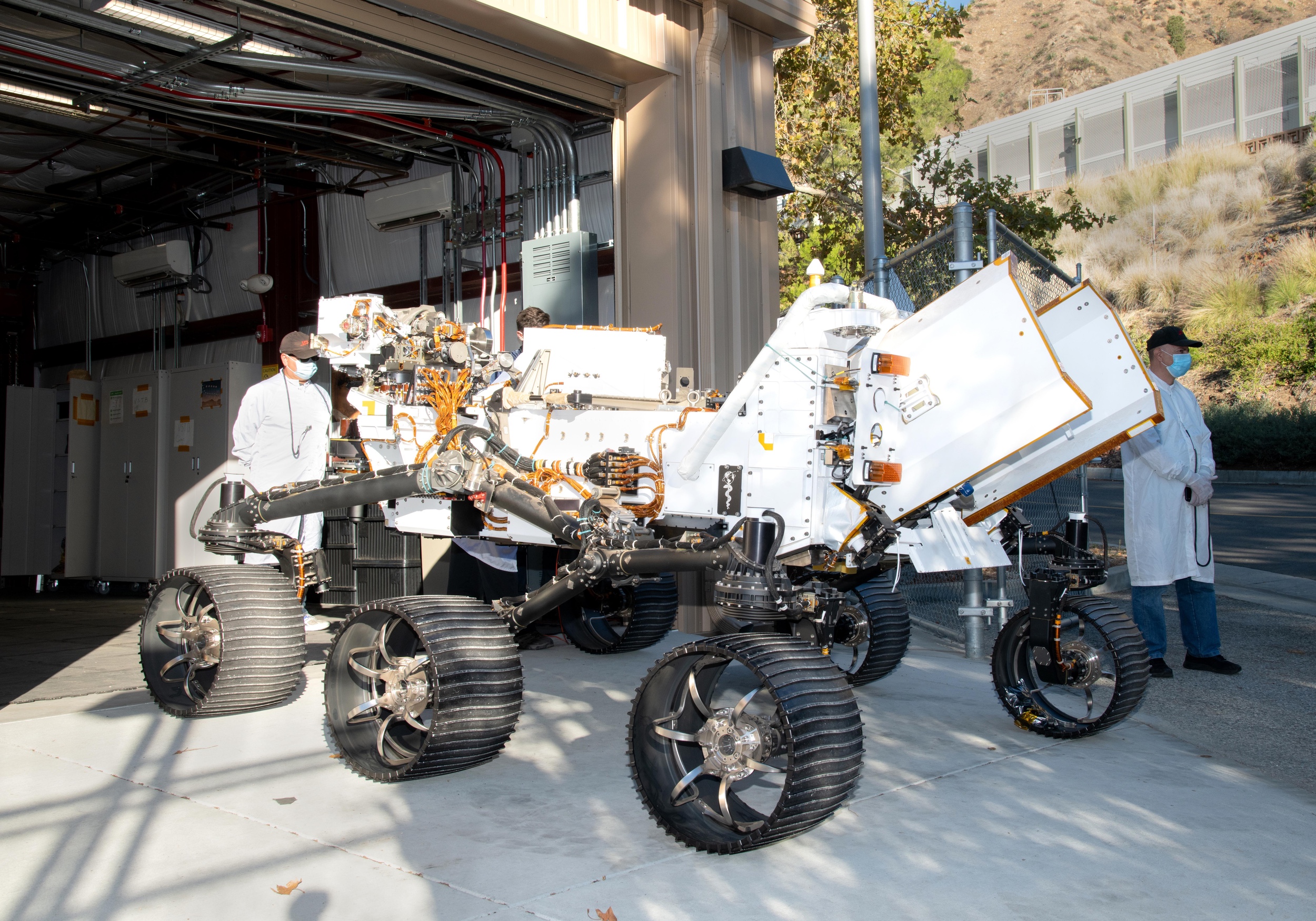
NASA's ambition to extend human presence on the Moon has taken a novel turn with the consideration of repurposing an engineering model of the Perseverance Mars rover for lunar missions. This prospective rover, named PROMISE (Polar Rover for Observation, Mapping, and In-Situ Exploration), was announced in a Moon Base update by NASA's Administrator Jared Isaacman on June 30, 2026. The mission aims to leverage existing technology to support NASA's broader lunar exploration goals.
The idea behind PROMISE is innovative yet practical. It involves converting the OPTIMISM engineering model, which currently aids in planning Mars rover operations at NASA’s Jet Propulsion Laboratory (JPL), into a functional lunar rover. PROMISE would build on existing hardware from the Curiosity and Perseverance Mars rovers, reinforcing NASA's strategy to utilize available resources effectively. "We are thinking very hard right now about sending PROMISE to the moon," Isaacman stated, emphasizing the potential benefits of bringing such capabilities to the lunar south pole swiftly.
However, the financial implications of this initiative have sparked debate. While NASA's leadership highlighted the potential cost-effectiveness and speed of adapting existing hardware, a detailed analysis by The Planetary Society presents a contrasting view. Released on July 30, 2026, the assessment predicts that transforming OPTIMISM into PROMISE could range from $723 million to $1.33 billion, including development, launch, and one year of lunar operations. This significant investment raises questions about the allocation of NASA's resources, with Casey Dreier from The Planetary Society noting that the mission could divert funds from other established scientific priorities.
One of the primary challenges of this transformation is the technical adaptation required for lunar operations. Unlike its Mars counterparts, OPTIMISM lacks flight-ready instruments and space-rated components essential for a mission to the Moon, including a communication system. Additionally, while Perseverance uses a radioisotope thermoelectric generator (RTG) for power, which NASA has a spare of, integrating it for lunar operations presents its own hurdles.
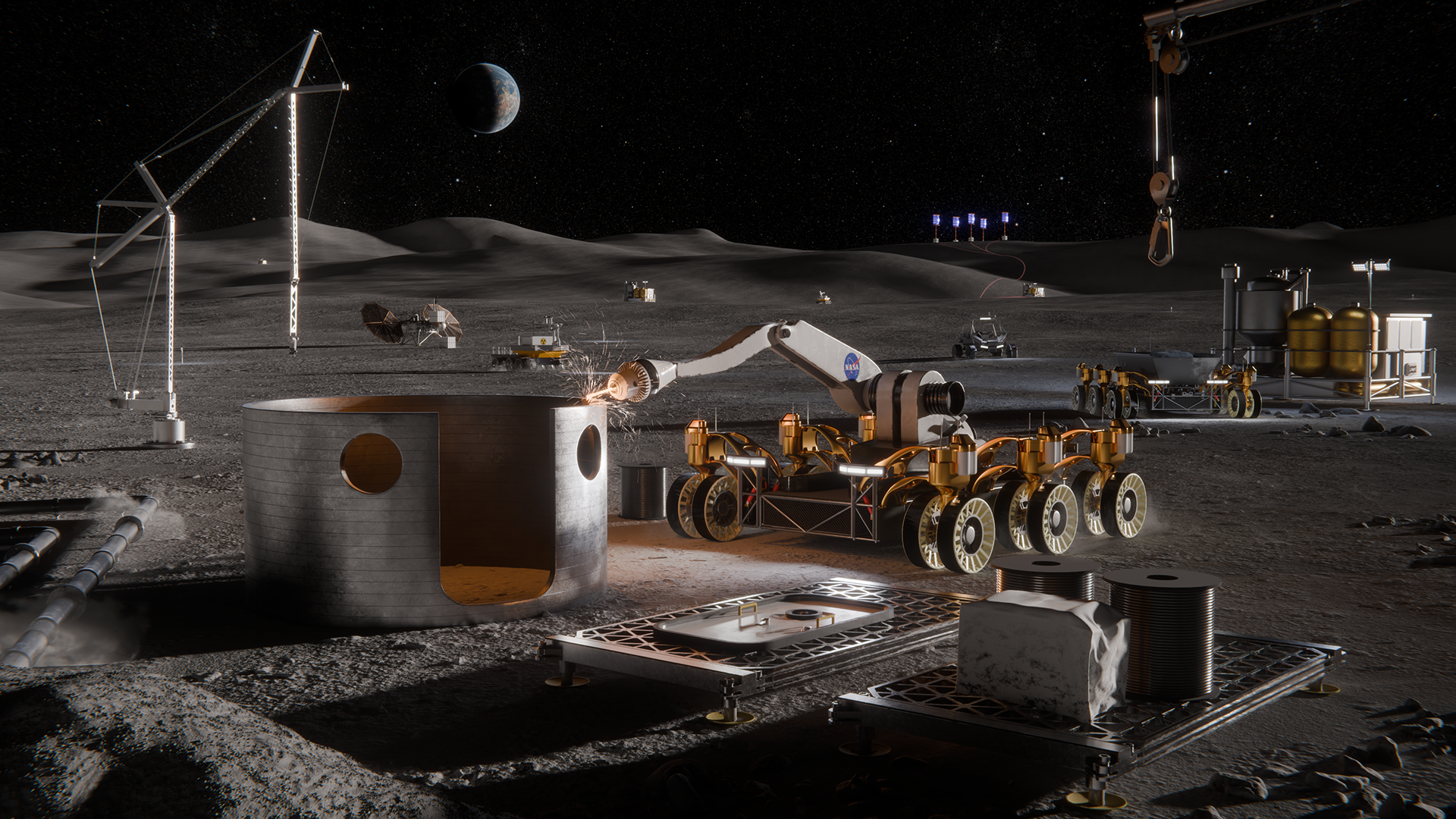
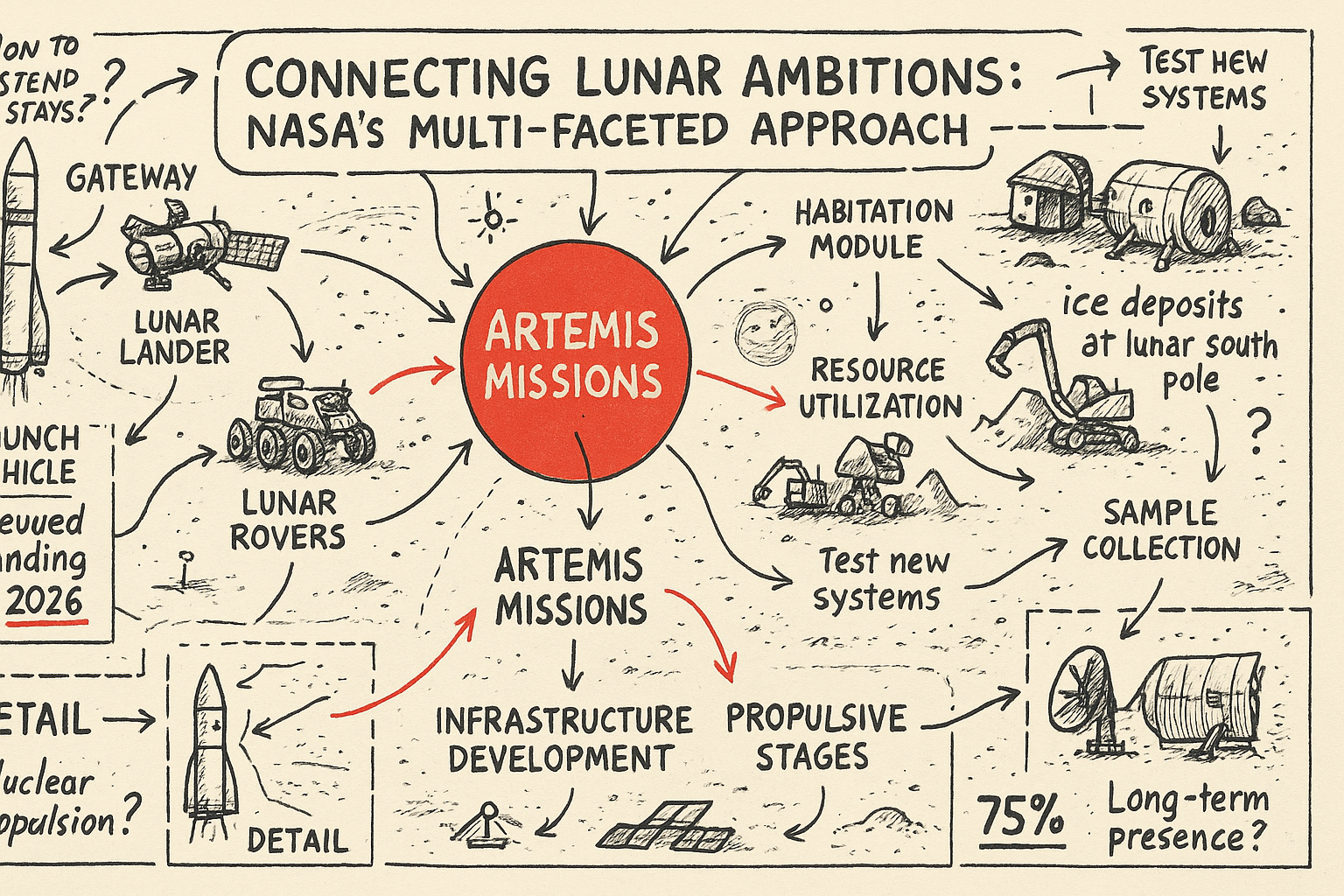
The timing of the PROMISE mission also raises strategic questions. With a potential launch not feasible until the early 2030s, the project must align with NASA's broader lunar ambitions, including the ongoing Artemis program and the development of a sustainable lunar base. This aligns with NASA's recent call to industry partners to build lunar infrastructure, recognizing the extensive investment required for a permanent presence on the Moon.
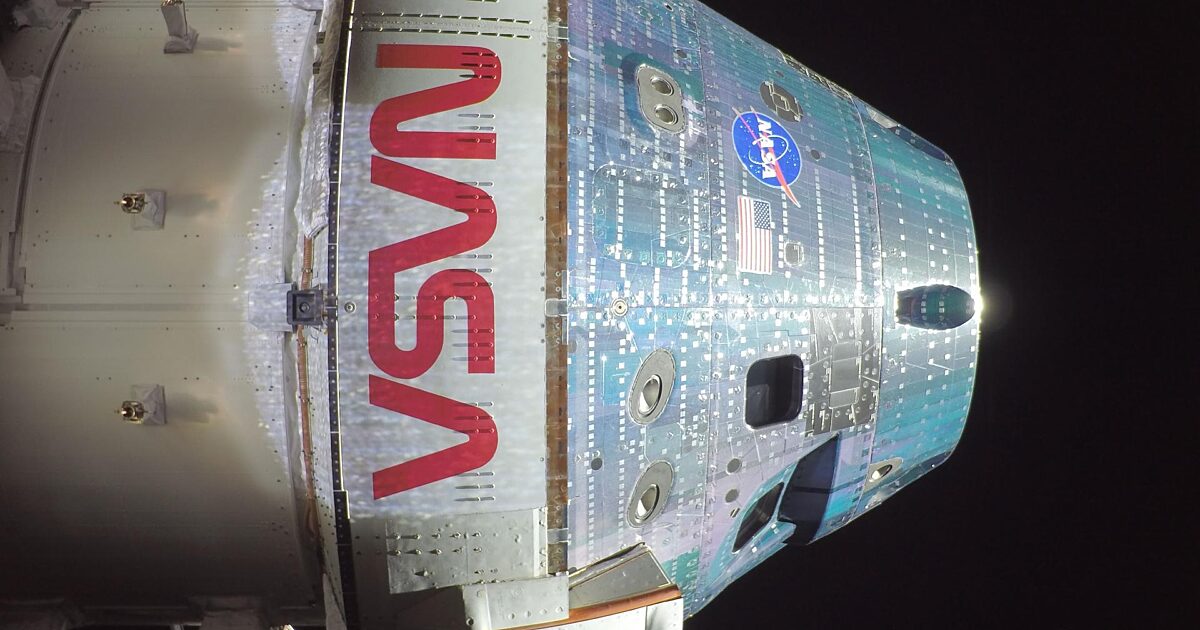
Historically, NASA's approach to lunar exploration has evolved significantly. The Apollo missions of the late 1960s and early 1970s paved the way for crewed lunar landings, but they were followed by a long hiatus. Recent years have seen renewed interest, with the Artemis program marking a significant step towards a sustainable lunar presence. The proposed PROMISE mission could complement these efforts, providing valuable data and paving the way for future human and robotic exploration.
Looking ahead, the debate over PROMISE reflects broader themes in space exploration: the balance between innovation and cost, the reuse of technology, and the strategic prioritization of resources. As NASA continues to refine its lunar exploration strategy, the outcome of this proposal could shape not only the next decade of lunar missions but also the future of how space agencies leverage technology across planetary boundaries.