The Artemis program, spearheaded by NASA, represents a significant step forward in human space exploration. As the world anticipates the upcoming Artemis II mission, it is worth examining how this ambitious project builds upon a legacy of space technology while integrating innovative advancements.
Legacy Technologies: The Backbone of Artemis
The Artemis missions, particularly Artemis II, owe much to the technologies developed during the Apollo era. The spacecraft design, for instance, reflects the engineering principles established in the 1960s and 70s, which have been proven reliable over decades of space exploration. This includes the use of the Space Launch System (SLS), a powerful rocket that derives its core technology from the Space Shuttle program. The SLS is designed to carry astronauts to lunar orbit, with the capability to eventually facilitate travel to Mars.
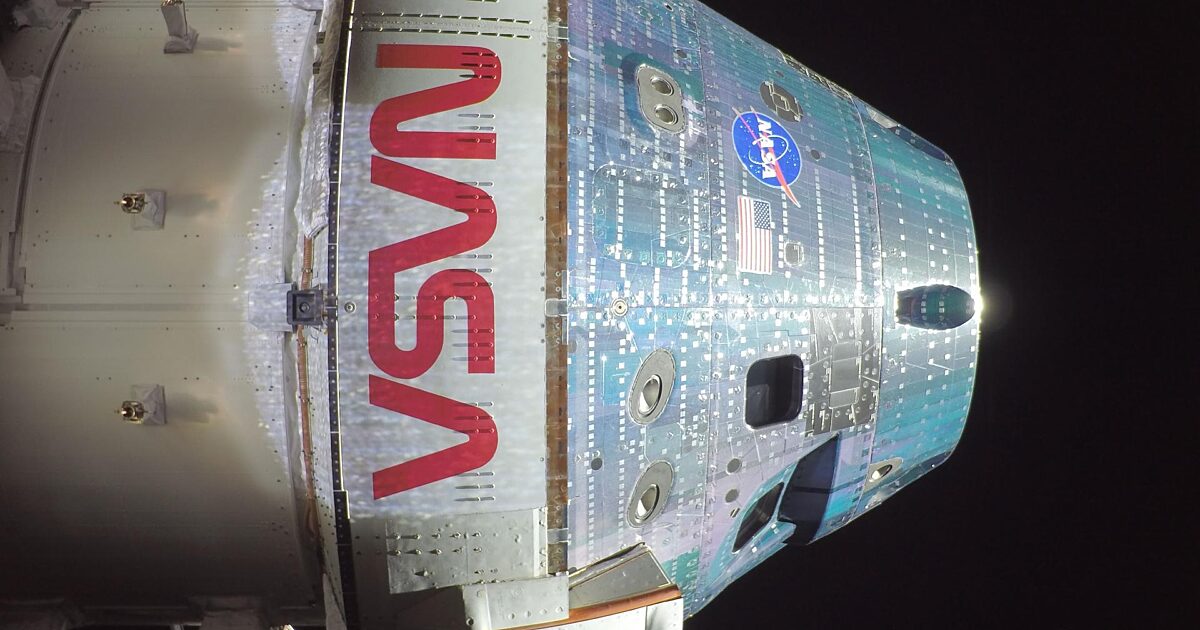
Moreover, the Orion spacecraft, which will transport astronauts, incorporates critical safety features and life-support systems refined from previous NASA missions. The capsule's design is a testament to NASA's commitment to safety and reliability, echoing the success of earlier models.
Innovative Technologies: Pioneering the Future
While Artemis is firmly rooted in the past, it also embraces cutting-edge technologies. One of the standout innovations is the Lunar Gateway, a space station intended to orbit the Moon. This platform will serve as a staging point for lunar landings and a waypoint for missions deeper into the solar system. The Gateway will also host scientific experiments and provide a unique vantage point for Earth and lunar observation.
The Artemis program also benefits from advancements in propulsion technology. The development of the RS-25 engines, which will power the SLS, incorporates modern materials and manufacturing techniques, enhancing efficiency and performance.
Furthermore, Artemis missions are leveraging the capabilities of commercial partners. Companies like SpaceX and Blue Origin are contributing to the development of landers and other critical mission components, exemplifying a new era of public-private collaboration in space exploration.
The Road Ahead: Challenges and Opportunities
The integration of legacy and new technologies presents both challenges and opportunities. One significant challenge is ensuring the seamless integration of these diverse components into a cohesive mission framework. The Artemis program must also navigate the complexities of international cooperation and coordination, as it involves partnerships with space agencies around the world.
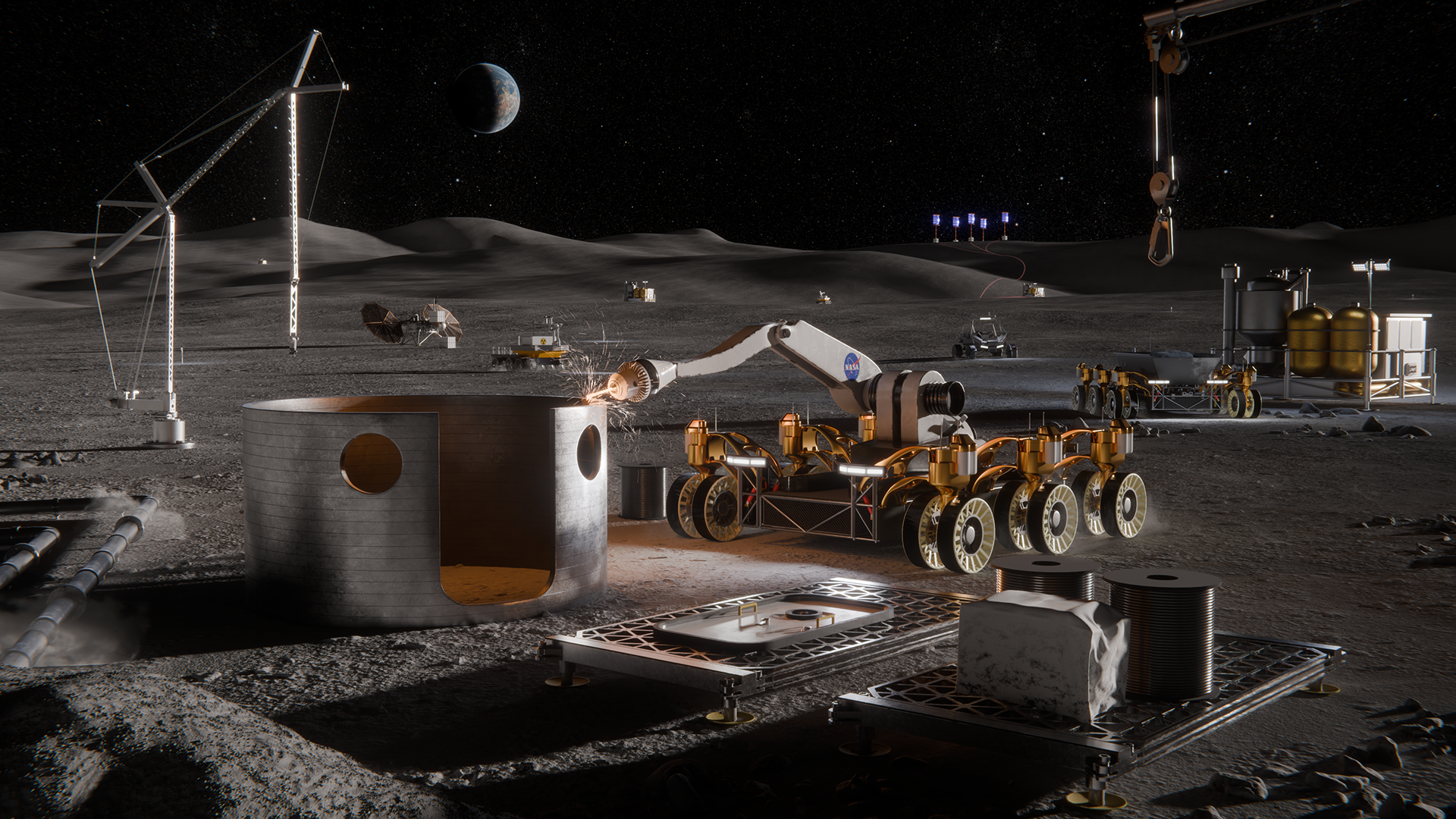
However, the potential rewards are substantial. Artemis aims to establish a sustainable human presence on the Moon, which could serve as a springboard for future missions to Mars and beyond. Moreover, the scientific insights gained from lunar exploration could enhance our understanding of the solar system and the broader universe.
In summary, NASA's Artemis missions exemplify a strategic balance between the tried-and-tested and the novel, paving the way for a new era in space exploration. As we look to the future, the lessons learned from both past and present endeavors will be crucial in overcoming the challenges that lie ahead.