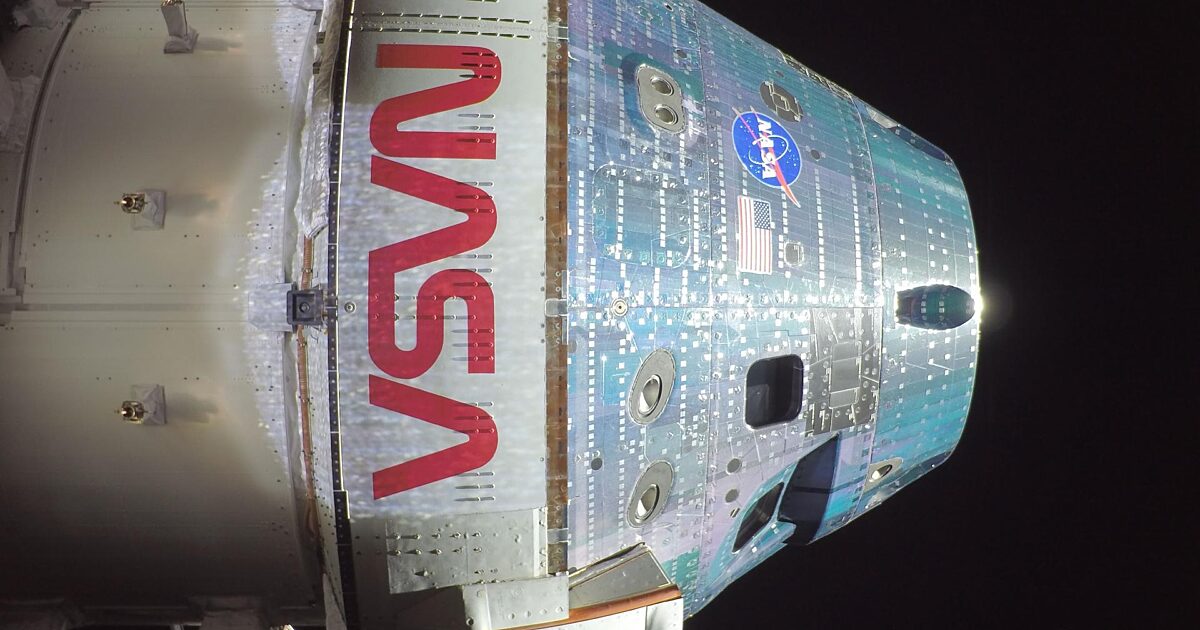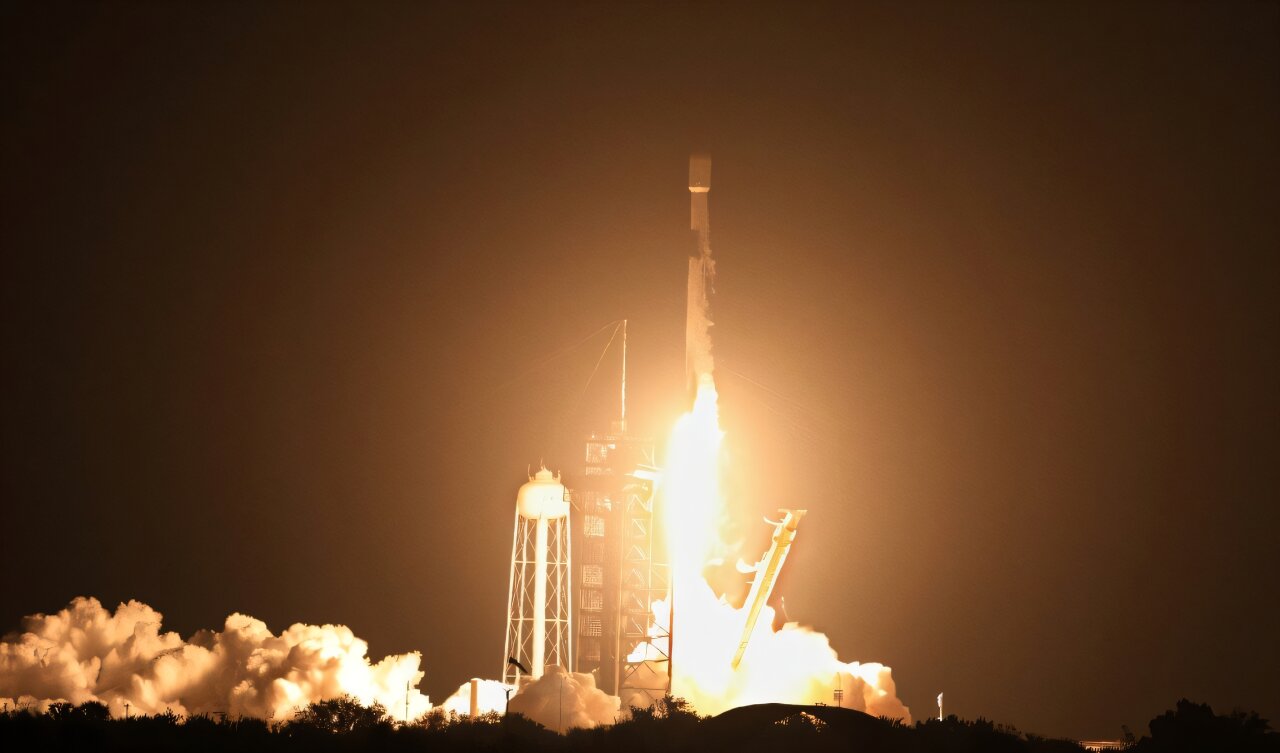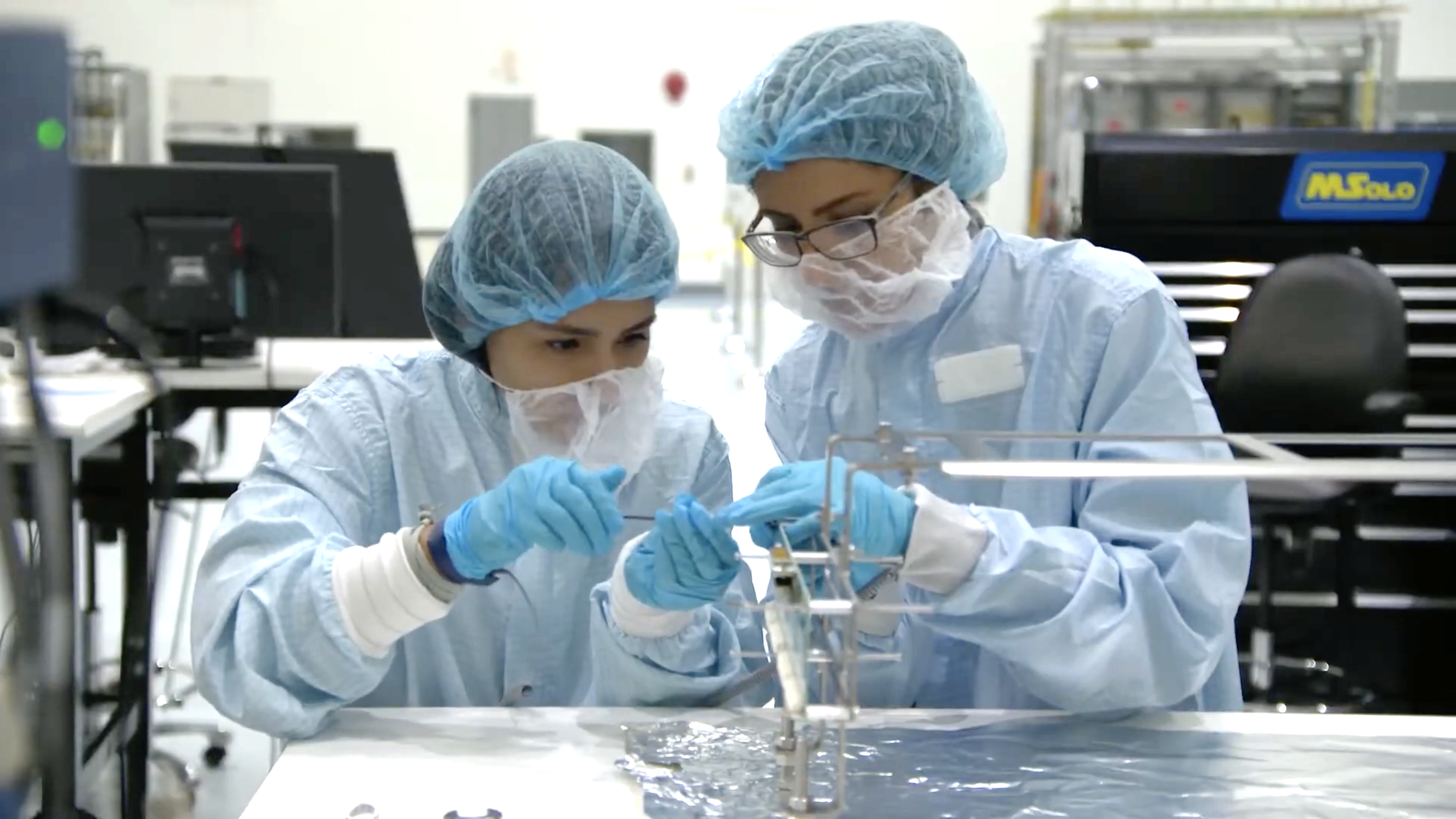
NASA is embarking on a new initiative designed to bolster space technology research and development through its Minority University Research and Education Project Space Technology Artemis Research (M-STAR). This initiative, announced on June 11, 2026, aims to engage minority-serving institutions in the cutting-edge field of space exploration, aligning with the agency’s broader objectives under the Artemis program.
The M-STAR initiative represents a significant commitment by NASA to inclusivity and diversity in the realm of space technology. By opening this funding opportunity to minority-serving institutions, NASA seeks to harness a wider array of perspectives and talents, ultimately enriching the scientific and technological advancements necessary for lunar and Martian exploration.
The application window for M-STAR is currently open and will remain so until August 11, 2026. This window provides ample time for eligible institutions to propose innovative research projects that could play a pivotal role in the success of the Artemis missions. The program targets universities and colleges that serve minority populations, thereby providing these institutions with the resources to contribute substantially to NASA’s space exploration goals.
At its core, the M-STAR initiative is not just about funding research; it is about laying the groundwork for a more diverse future in space exploration. Historically, the field of aerospace has been predominantly populated by a narrow demographic. By intentionally directing resources towards minority-serving institutions, NASA is taking proactive steps to diversify the pipeline of talent entering the space technology sector.
NASA’s Artemis program, which aims to return humans to the Moon and eventually set the stage for human exploration of Mars, requires a multifaceted approach to technology development. This includes advancements in areas such as propulsion, habitat construction, and life support systems. The M-STAR initiative is poised to contribute to these areas by funding research that addresses specific technological challenges identified by NASA.
Moreover, the initiative stands as a testament to NASA’s commitment to educational outreach and partnerships. By engaging with minority-serving institutions, NASA not only fosters innovation but also invests in the future workforce of space exploration. The agency recognizes that the challenges of space exploration will require the brightest minds from all backgrounds and is dedicated to supporting the development of these minds through targeted investments in education and research.
As the world watches the progress of the Artemis missions, the contributions from M-STAR-funded projects could prove to be vital. These projects are expected to provide new insights and technologies that will help overcome some of the most pressing obstacles in human space exploration. The initiative also serves as a model for how government agencies can work collaboratively with educational institutions to achieve common goals.
In conclusion, NASA’s M-STAR initiative is a strategic move towards a more inclusive and innovative future for space technology. By supporting minority-serving institutions, NASA is not only advancing its technological capabilities but also ensuring that the journey to the Moon, Mars, and beyond is one that reflects the diversity of our society. This program underscores the importance of inclusivity in science and technology, highlighting how diverse perspectives can lead to greater innovation and success in exploring the final frontier.