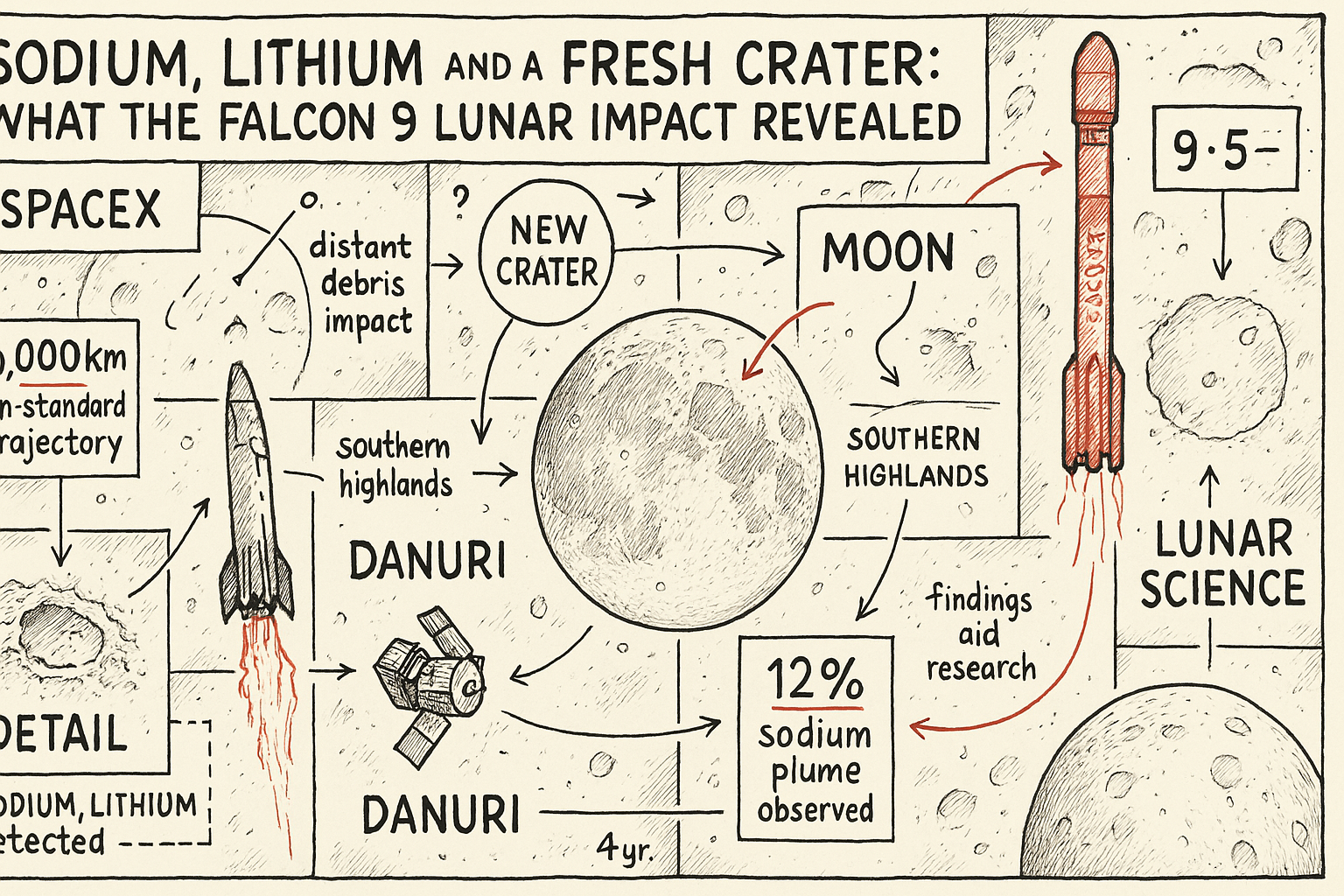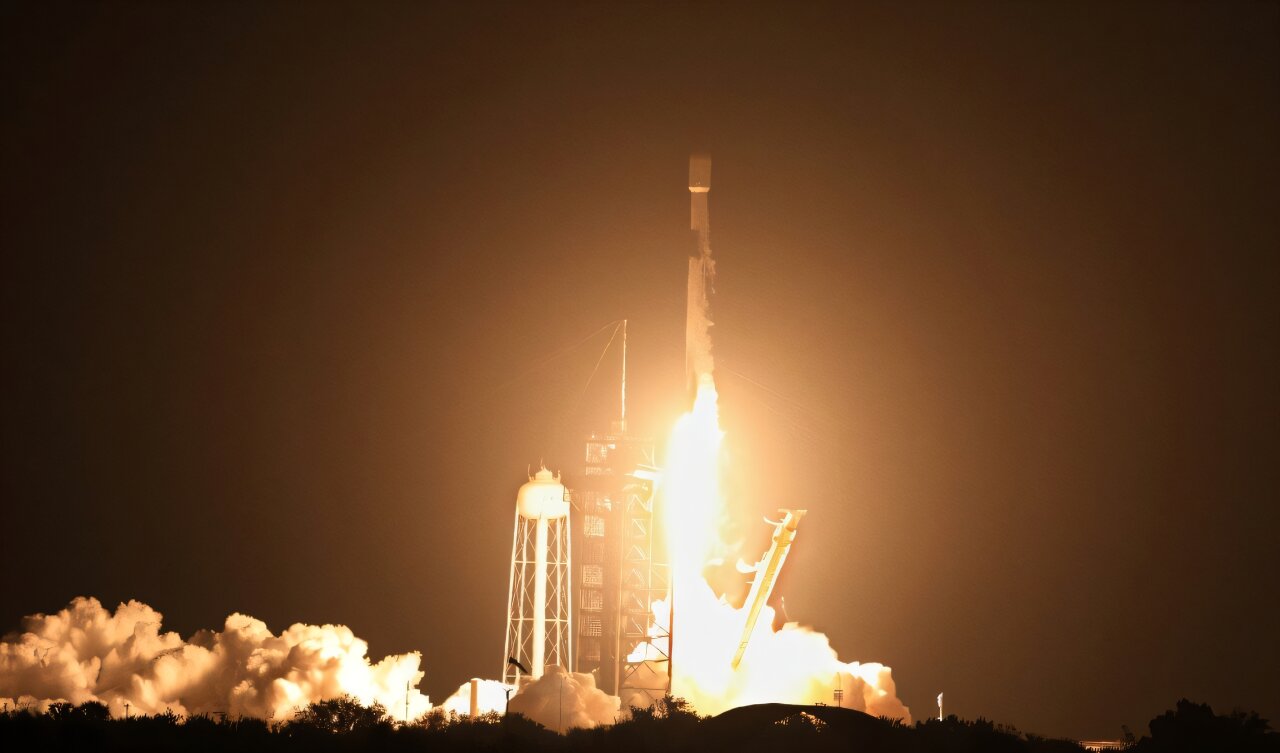
The recent collision of a four-tonne SpaceX Falcon 9 rocket piece with the Moon has sparked significant interest in the scientific community. While the impact was accidental, it offers a unique opportunity for planetary geologists to study artificial impacts on the lunar surface, potentially benefiting future space missions.
According to reports from Futura-Sciences, a Korean satellite managed to capture the first images of the resulting crater, providing crucial data for analysis. This observation could help scientists understand the effects of artificial impacts and aid in the preparation for NASA's Artemis missions aimed at returning humans to the Moon.
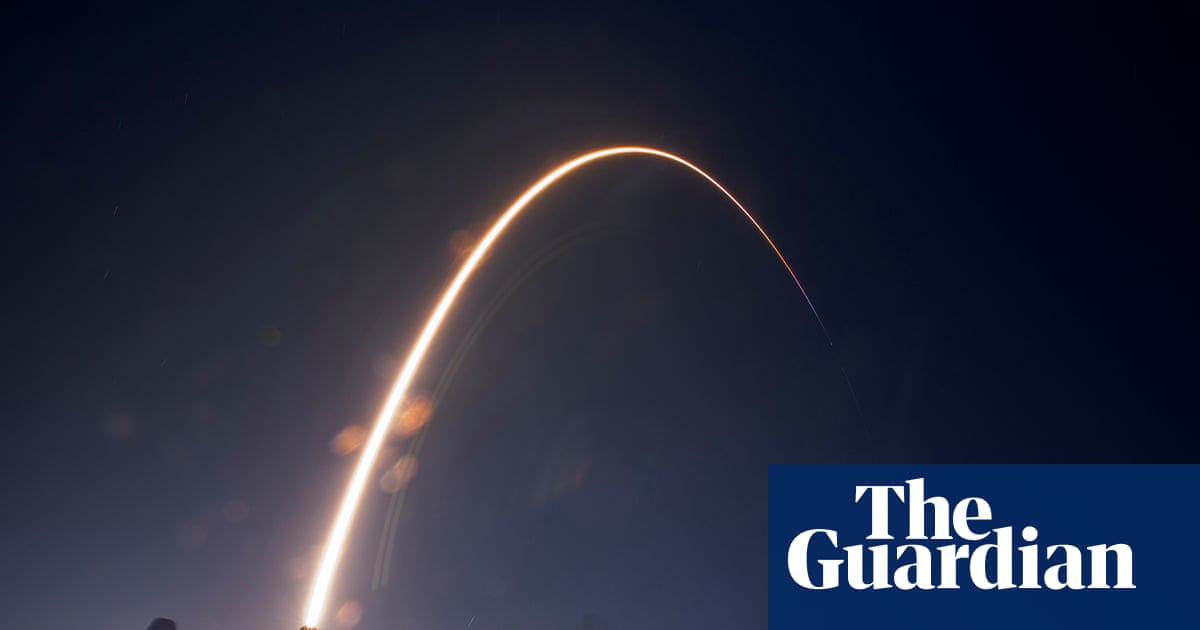
NASA, in collaboration with SpaceX, is utilizing ground-based telescopes and space-based assets to track the debris from the Falcon 9 upper stage. This effort is expected to yield valuable insights into the behavior of rocket stages in space and their interaction with celestial bodies.
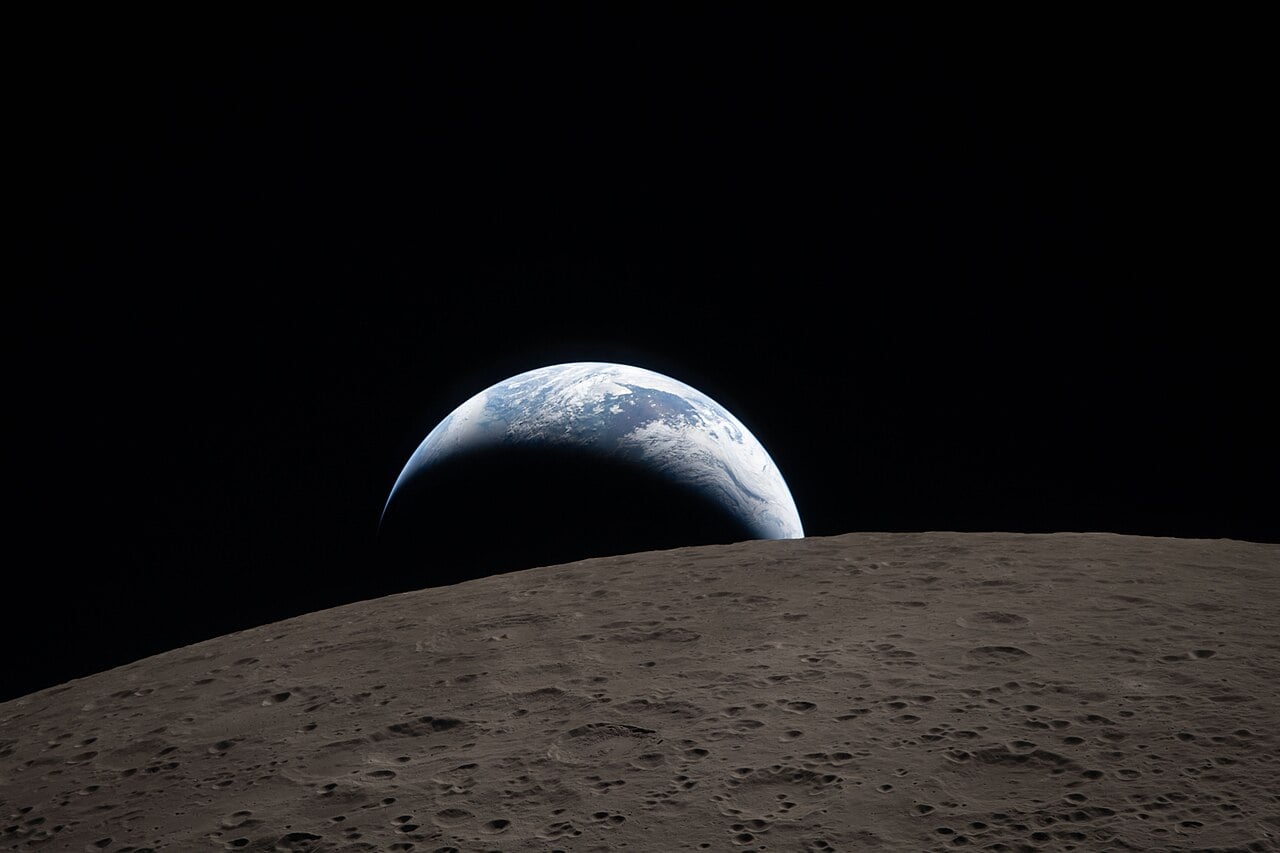
The impact, while posing no threat to Earth, has created a new lunar feature that scientists are eager to explore. As BBC Science & Environment notes, such events can offer a 'scientific gift' that informs our understanding of lunar geology and aids in the planning of future exploratory missions.
This event underscores the importance of monitoring and analyzing space debris, not only for safety but also for the potential scientific advancements it can bring. The data gathered from this unintended lunar impact could pave the way for more informed and safer space exploration strategies.
Vedi anche: SpaceX's Falcon 9 Impact: A Growing Concern for Lunar Exploration