In the rapidly evolving landscape of space exploration, the recent series of launches and preparations underscore a significant transformation in how humanity reaches for the stars. This transformation is characterized by a blend of international collaboration, commercial interests, and technological advancements, marking a new era where the once distinct boundaries between these spheres are increasingly blurred.
Commercial Ambitions Meet Scientific Endeavors
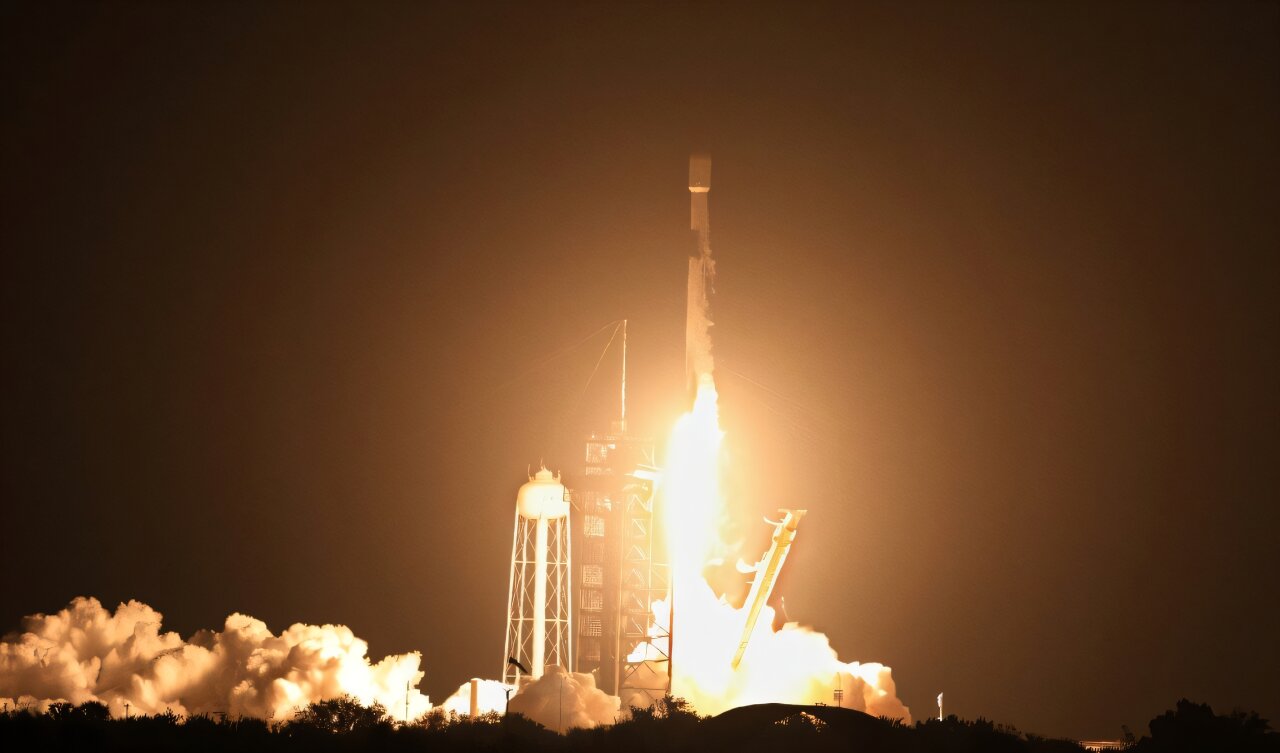
One of the most telling examples of this trend is the Japanese company's decision to book 1,100 pounds of cargo space on SpaceX's Starship mission to the moon. This move highlights the growing role of commercial entities in space exploration, a shift from the past where governmental agencies dominated the field. The integration of commercial payloads into missions traditionally managed by national space agencies exemplifies a more inclusive approach to space exploration.
Simultaneously, NASA's Roman Space Telescope is gearing up for its launch, with prelaunch servicing underway in Florida. This telescope represents a significant leap forward in our understanding of the universe, poised to address fundamental questions about dark energy and dark matter. The collaboration between governmental research missions and commercial launch capabilities suggests a symbiotic relationship that enhances the feasibility and frequency of scientific missions.
Collaboration Across Borders
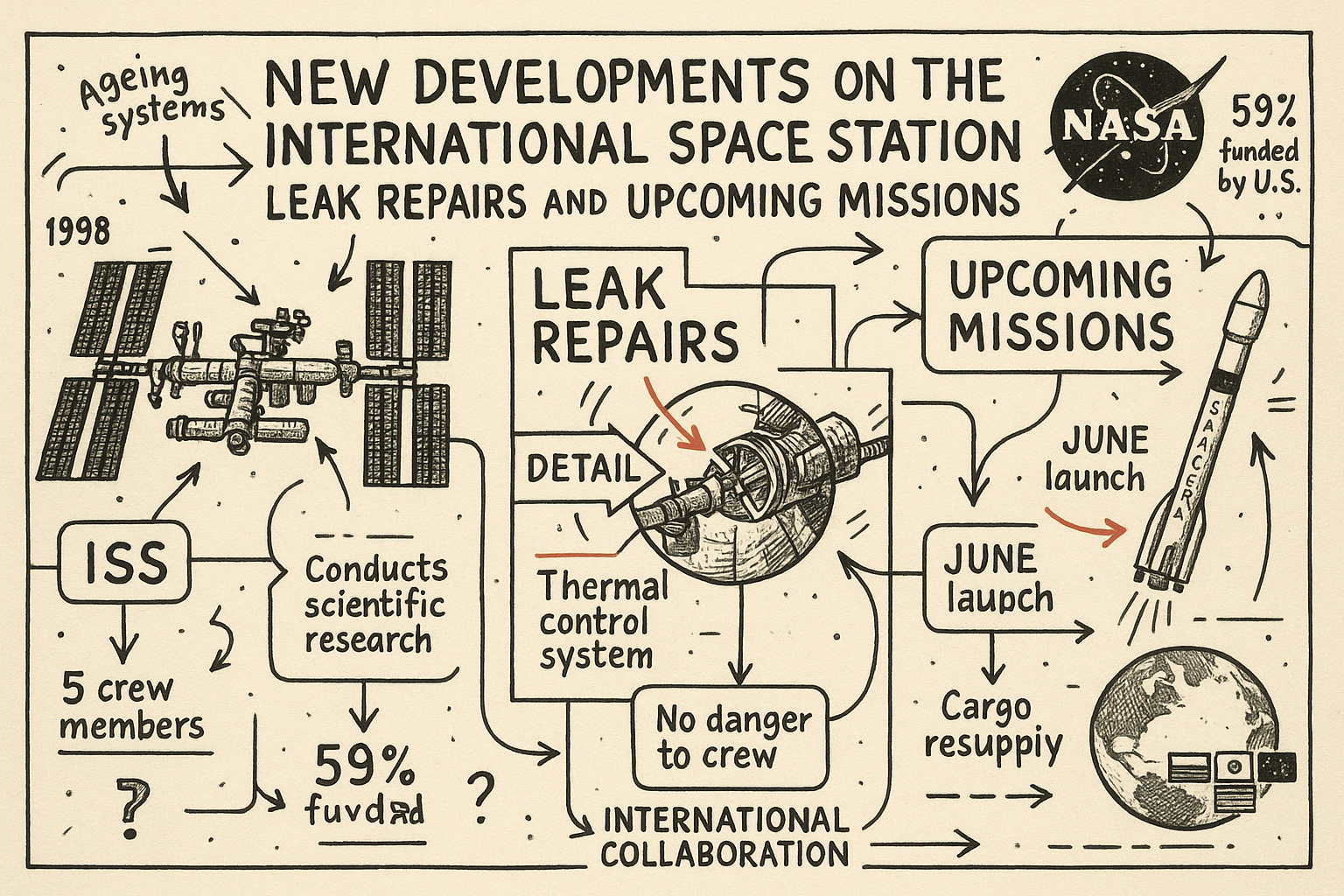
International collaborations are not only confined to commercial ventures. NASA continues its long-standing partnership with Roscosmos, as evidenced by astronaut Anil Menon's imminent launch on the Soyuz MS-29 spacecraft to the International Space Station. This cooperation is pivotal, especially in light of geopolitical tensions, serving as a reminder of space exploration's potential to unite rather than divide.
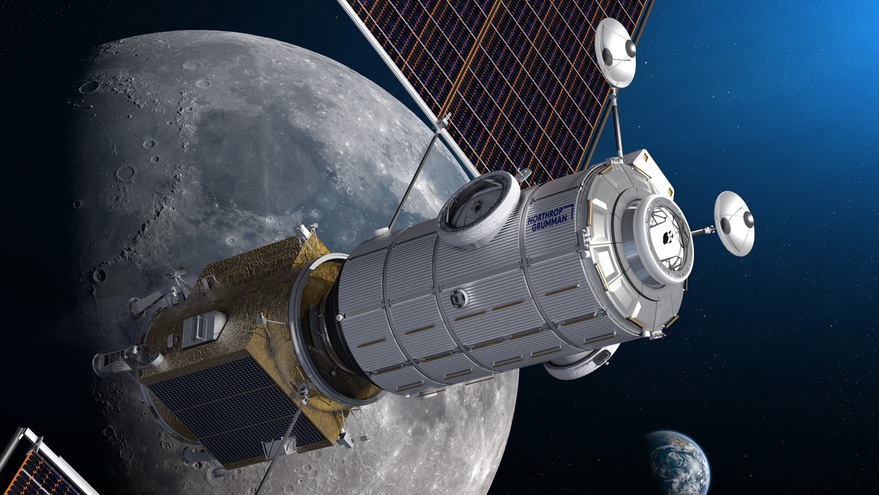
Moreover, the Artemis missions continue to push the boundaries of human exploration beyond low Earth orbit. The participation of international astronauts and scientists in these missions exemplifies a shared vision for humanity's future in space.
Harnessing the Power of Public Engagement
Beyond the confines of professional space agencies, public engagement in space research is gaining momentum. A notable milestone was reached with NASA's Zooniverse platform, which celebrated 1 billion classifications contributed by volunteers worldwide. This citizen science initiative highlights the power of collective human curiosity and technology, enabling ordinary citizens to contribute to extraordinary discoveries.
Such initiatives not only democratize space exploration but also enhance public understanding and enthusiasm for space science, creating a more informed and engaged global community.
Implications for the Future
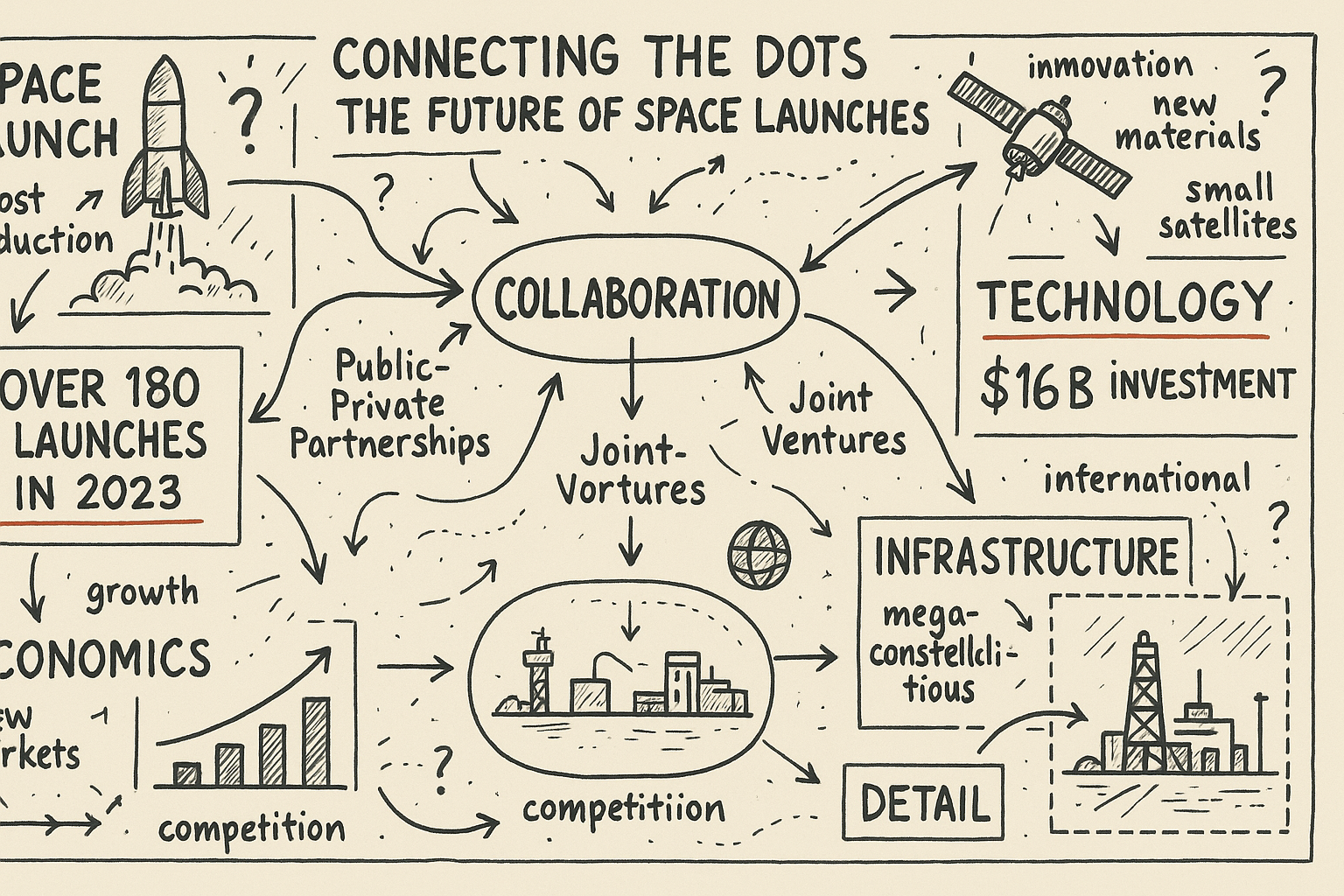
The convergence of these elements—commercial interests, international collaboration, and public engagement—paints a promising picture for the future of space exploration. As commercial entities like SpaceX continue to innovate with reusable rockets and cost-effective launch solutions, the accessibility of space is set to increase, potentially leading to more frequent and diverse missions.
In addition, the integration of citizen science into the research process could accelerate data analysis and discovery, allowing for more dynamic responses to scientific questions and challenges. This democratization could also drive policy changes, advocating for more inclusive and sustainable space exploration practices.
The surprising insight from this analysis is the degree to which space exploration has become a collaborative and participatory endeavor, contrasting sharply with its historically exclusive nature. This shift not only opens new opportunities for discovery but also nurtures a global community united by a shared quest for knowledge.