The International Space Station (ISS), a marvel of international collaboration, continues to be a hub for scientific research and exploration. Since its construction was completed in 2011, the ISS has been pivotal in advancing our understanding of living and working in space. Recent developments have further solidified its role in space exploration.
Successful Leak Repairs
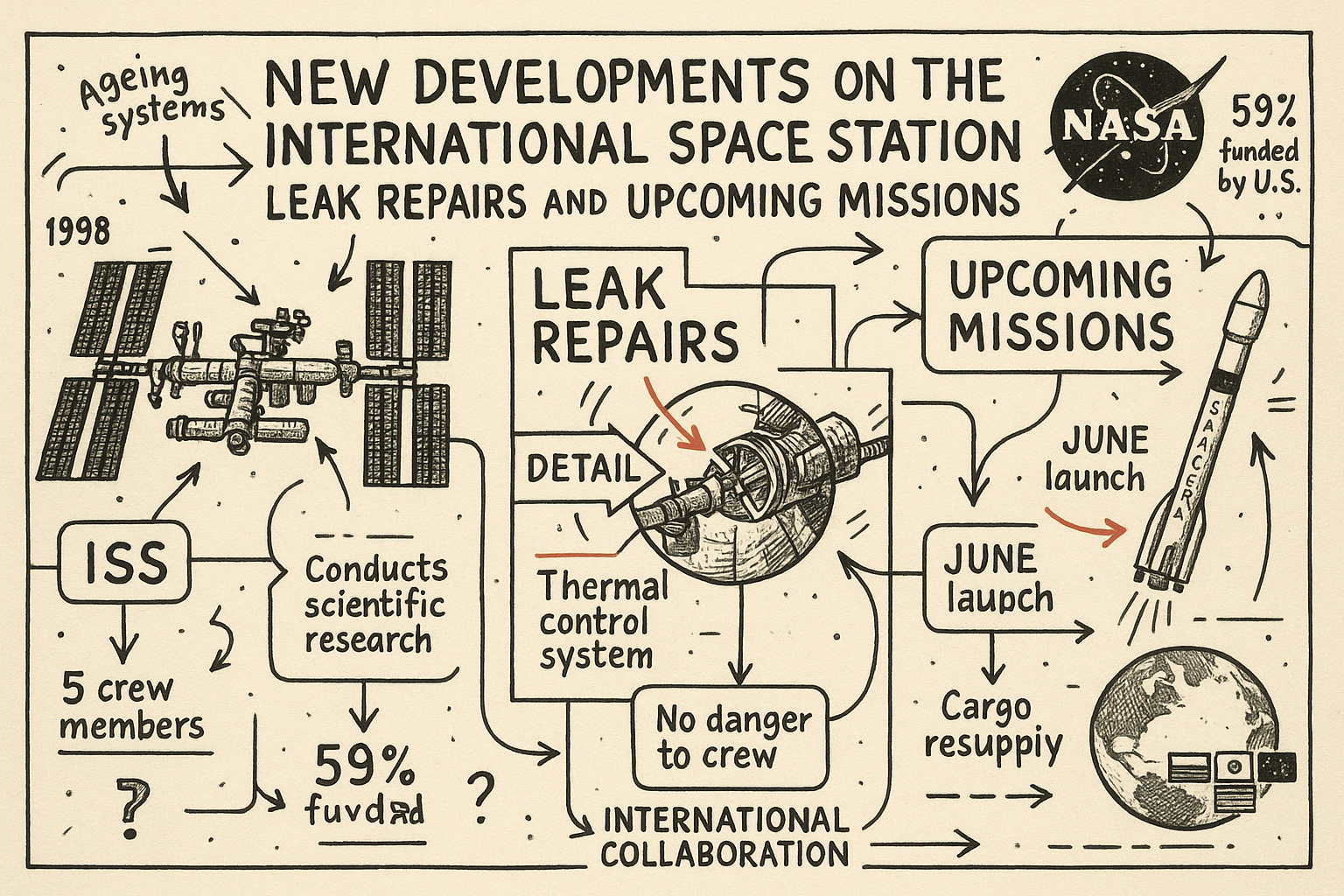
One of the critical issues faced by the ISS recently was a series of air leaks in the docking compartment of the Zvezda module. According to NASA Manager Dana Weigel, these leaks have been successfully sealed, ensuring the safety and integrity of the station. This repair is a significant achievement, as maintaining the ISS's structural integrity is crucial for the safety of its crew and the continuation of its mission.
Upcoming Missions and Research
The ISS is not only a platform for international cooperation but also a site for cutting-edge research. It hosts hundreds of experiments at any given time, many of which are automated to maximize efficiency and minimize the need for astronaut intervention. This capability allows the station to conduct a wide range of scientific inquiries, from biological sciences to physical sciences.
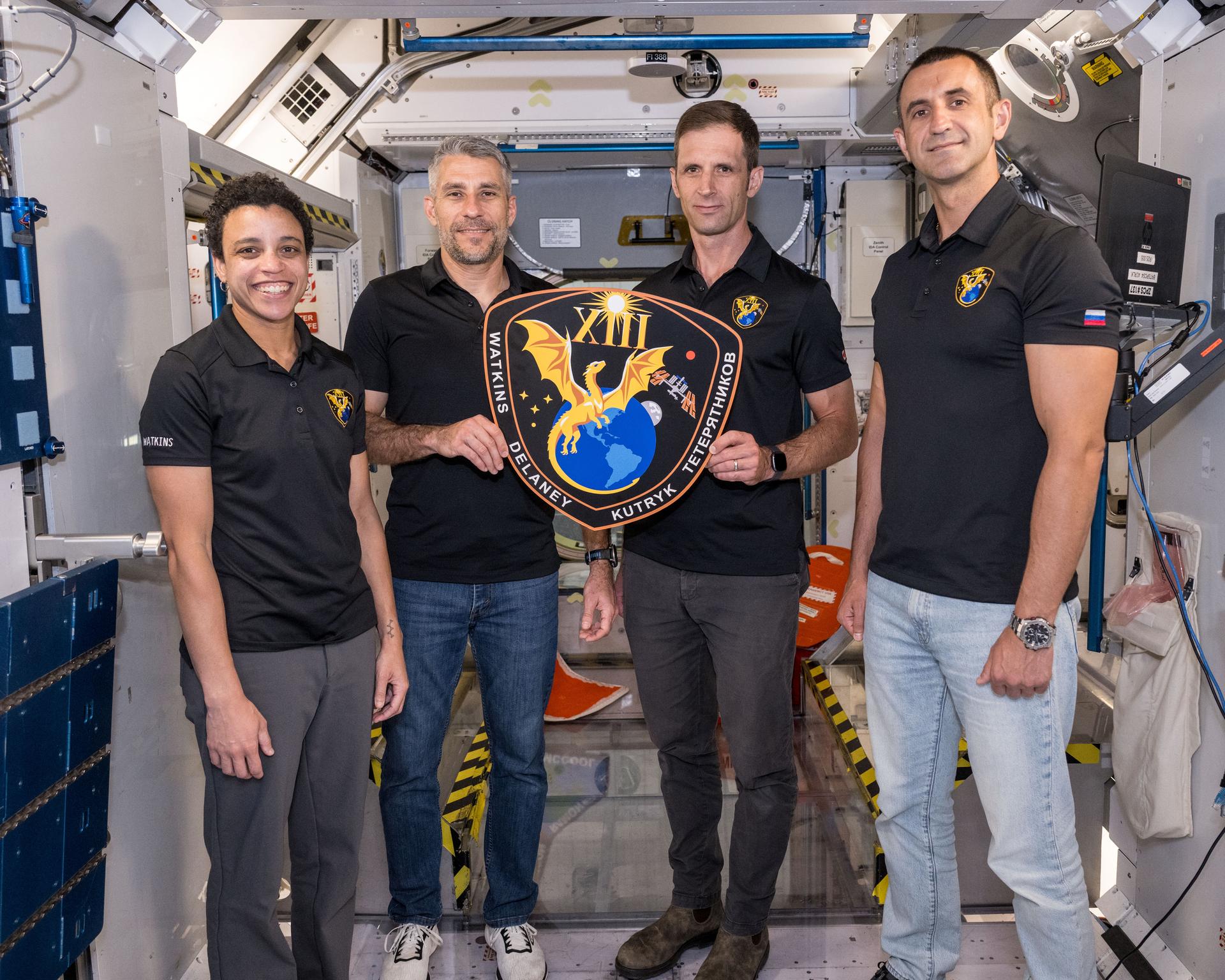
Looking ahead, the ISS is preparing for the arrival of the SpaceX Crew-13 mission, scheduled to launch on September 12, 2026. This mission will include Canadian Space Agency astronaut Joshua Kutryk, who is set to spend six months aboard the ISS. The mission will focus on various scientific research projects, including medical research, which is crucial for understanding the effects of long-term space travel on the human body.
These developments underscore the ISS's ongoing importance in space exploration. As we continue to push the boundaries of what is possible in space, the ISS remains a vital platform for research and international collaboration.