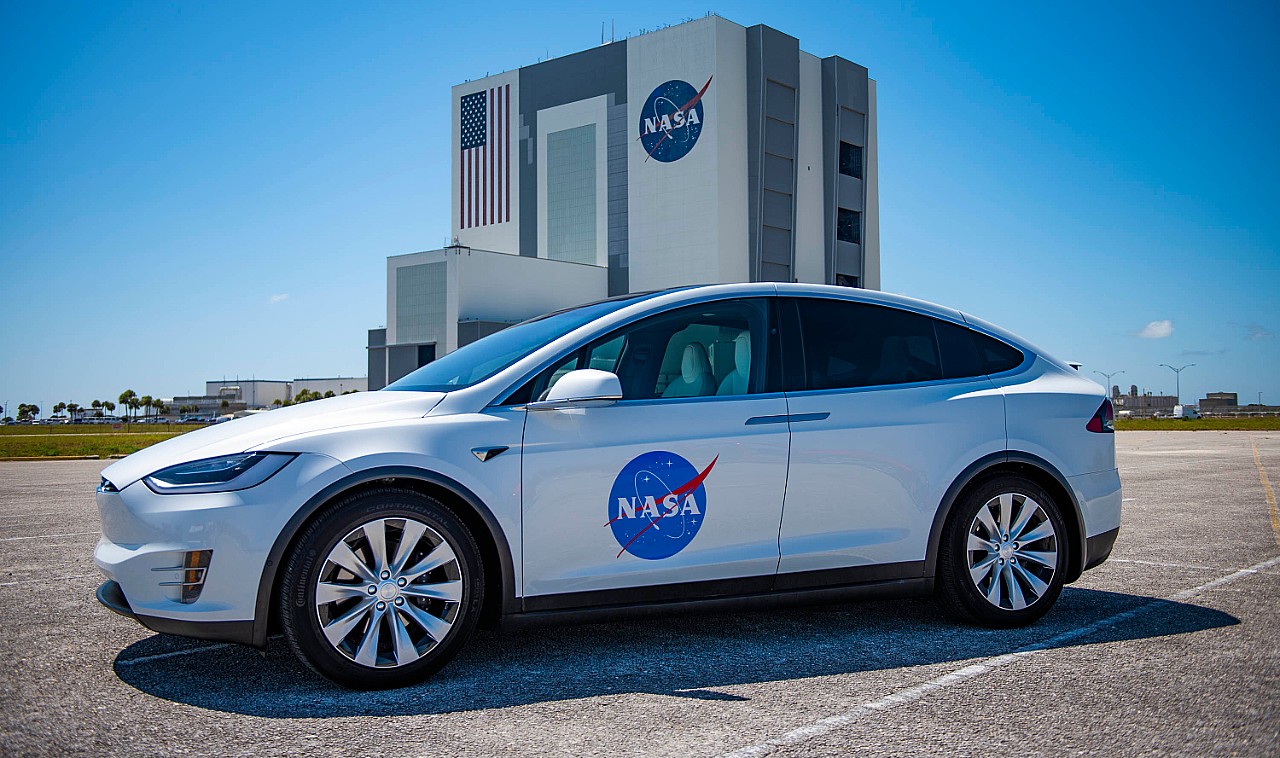
SpaceX, known for its innovative approach to space exploration, is set to introduce a significant change in its launch operations for the upcoming Crew-13 mission to the International Space Station (ISS). In a departure from the use of Mine-Resistant Ambush Protected vehicles (MRAPs), SpaceX will employ Tesla Cybertrucks for emergency evacuation procedures on the launch pad. This change is scheduled to debut with the Crew-13 launch in September 2026.
The decision to switch from MRAPs to Cybertrucks was confirmed by NASA's Richard Jones, Deputy Program Manager of the Commercial Crew Program. The shift is part of SpaceX's strategy to establish a 'private rescue capability' that mitigates potential conflicts with other NASA launches. Earlier this year, simultaneous launch preparations for Crew-12 and NASA's Artemis II created a strain on shared resources, underscoring the need for a more flexible solution.
One of the primary advantages of using Cybertrucks is their rapid acceleration capability. In the event of a launch pad emergency, the speed at which these vehicles can evacuate astronauts from the danger zone is critical. Jones emphasized that the switch allows SpaceX to manage its resources more autonomously, eliminating the need to compete for MRAPs and associated personnel during concurrent launch preparations.
The Cybertrucks have undergone a thorough certification process to ensure they meet the specific needs of space launch operations. Key considerations included the ability for astronauts to enter and exit the vehicles while wearing spacesuits and the functionality of vehicle controls when operated with gloved hands. Despite these rigorous requirements, no modifications were necessary, suggesting that the Cybertrucks' design inherently meets the operational demands of spaceflight emergencies.
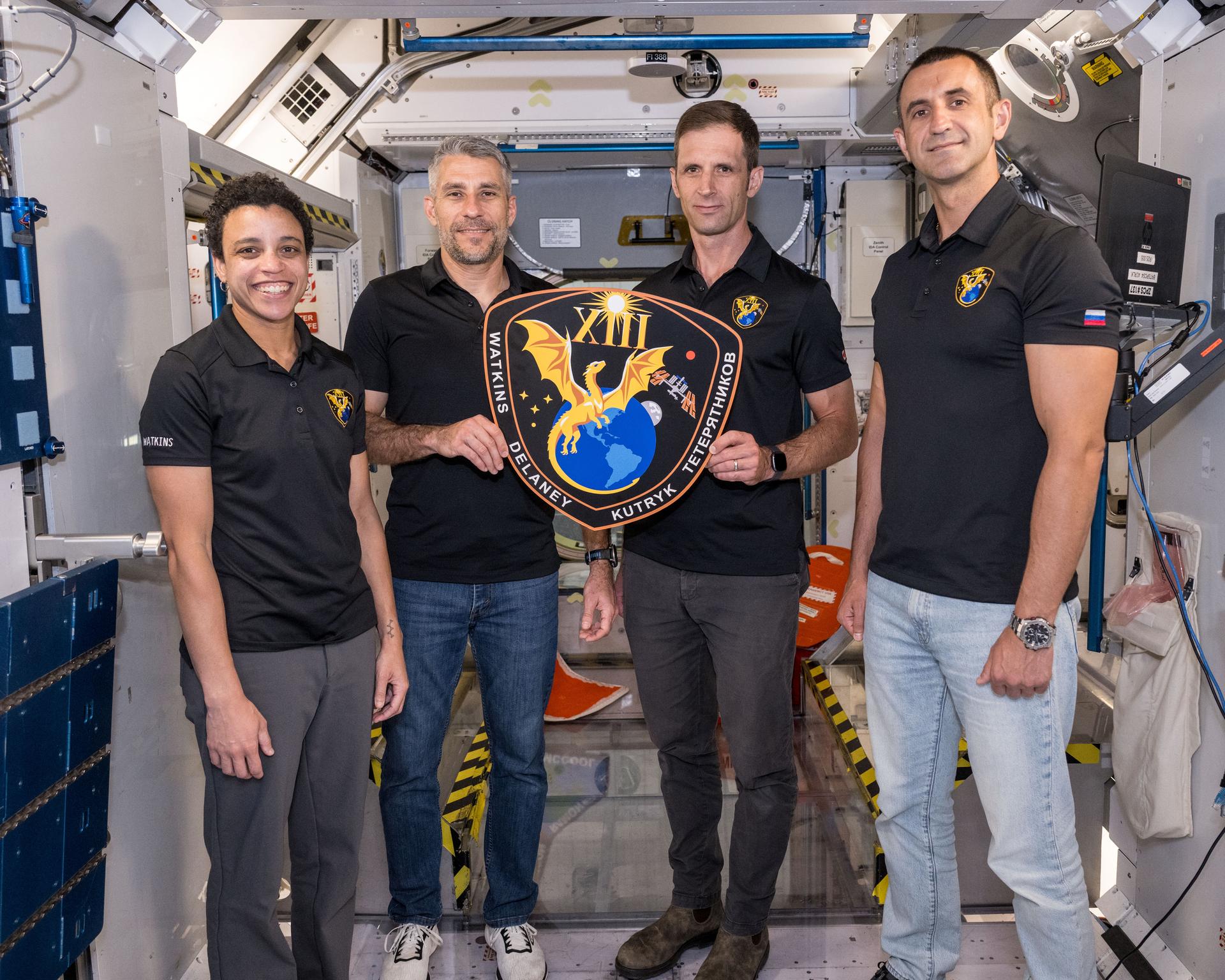
The upcoming Crew-13 mission is notable not just for the introduction of Cybertrucks but also for its crew composition and the use of the Crew Dragon Grace capsule. The mission will be commanded by NASA's Jessica Watkins, who becomes the first NASA astronaut to fly twice on a Crew Dragon. She is joined by rookies Luke Delaney, Joshua Kutryk from the Canadian Space Agency, and Sergey Teteryatnikov from Roscosmos. This flight marks the second mission for the Crew Dragon Grace capsule, underscoring the continued use and reliability of SpaceX's spacecraft in supporting ISS operations.
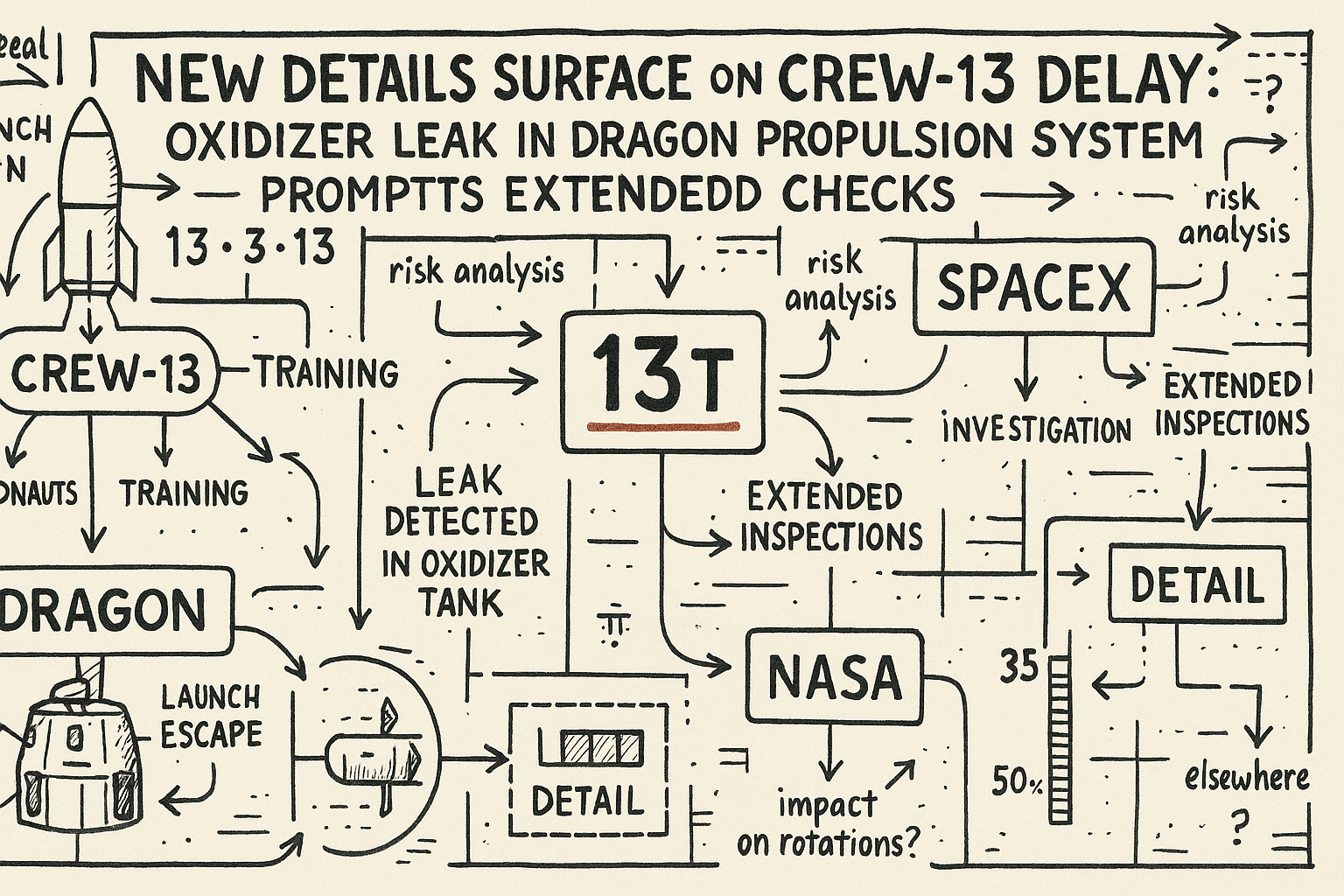
Originally slated for November, the Crew-13 launch has been moved up to September 12, 2026, aligning with NASA's typical six-month rotational schedule for ISS missions. This adjustment reflects NASA's strategic efforts to maintain a consistent presence on the ISS despite funding challenges that briefly threatened the schedule.
SpaceX's decision to replace MRAPs with Cybertrucks highlights the company's commitment to innovation and efficiency. By leveraging Tesla's electric vehicle technology, SpaceX is not only enhancing the safety and speed of their emergency response capabilities but also demonstrating a seamless integration of Elon Musk's various enterprises. This move represents a significant step forward in the evolution of space launch protocols, potentially setting a new standard for future missions.
As SpaceX continues to pioneer advancements in space travel, the implementation of Cybertrucks as emergency vehicles is a testament to the company's forward-thinking approach. With the Crew-13 mission on the horizon, all eyes are on SpaceX as they prepare to execute yet another groundbreaking launch, paving the way for future innovations in space exploration.