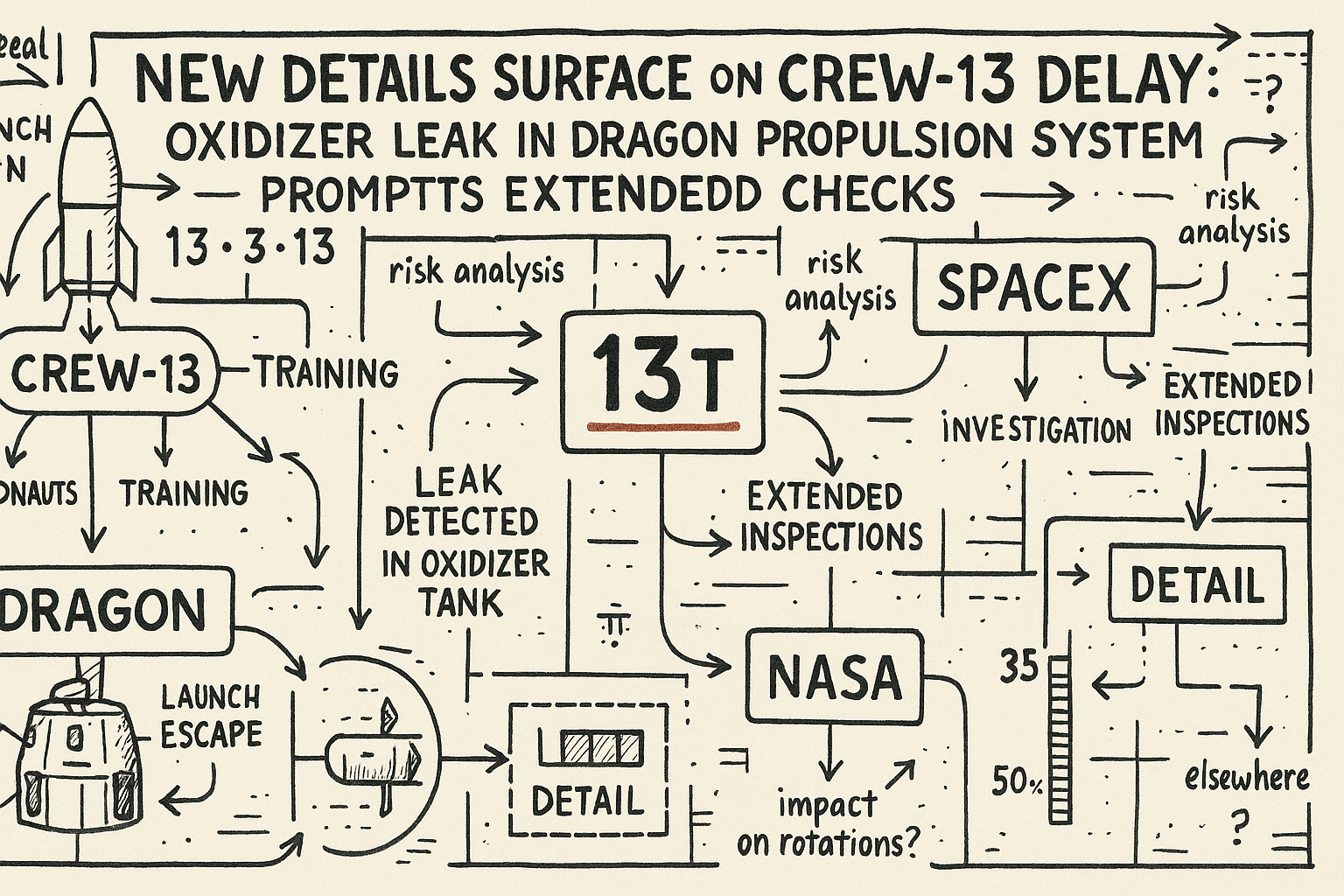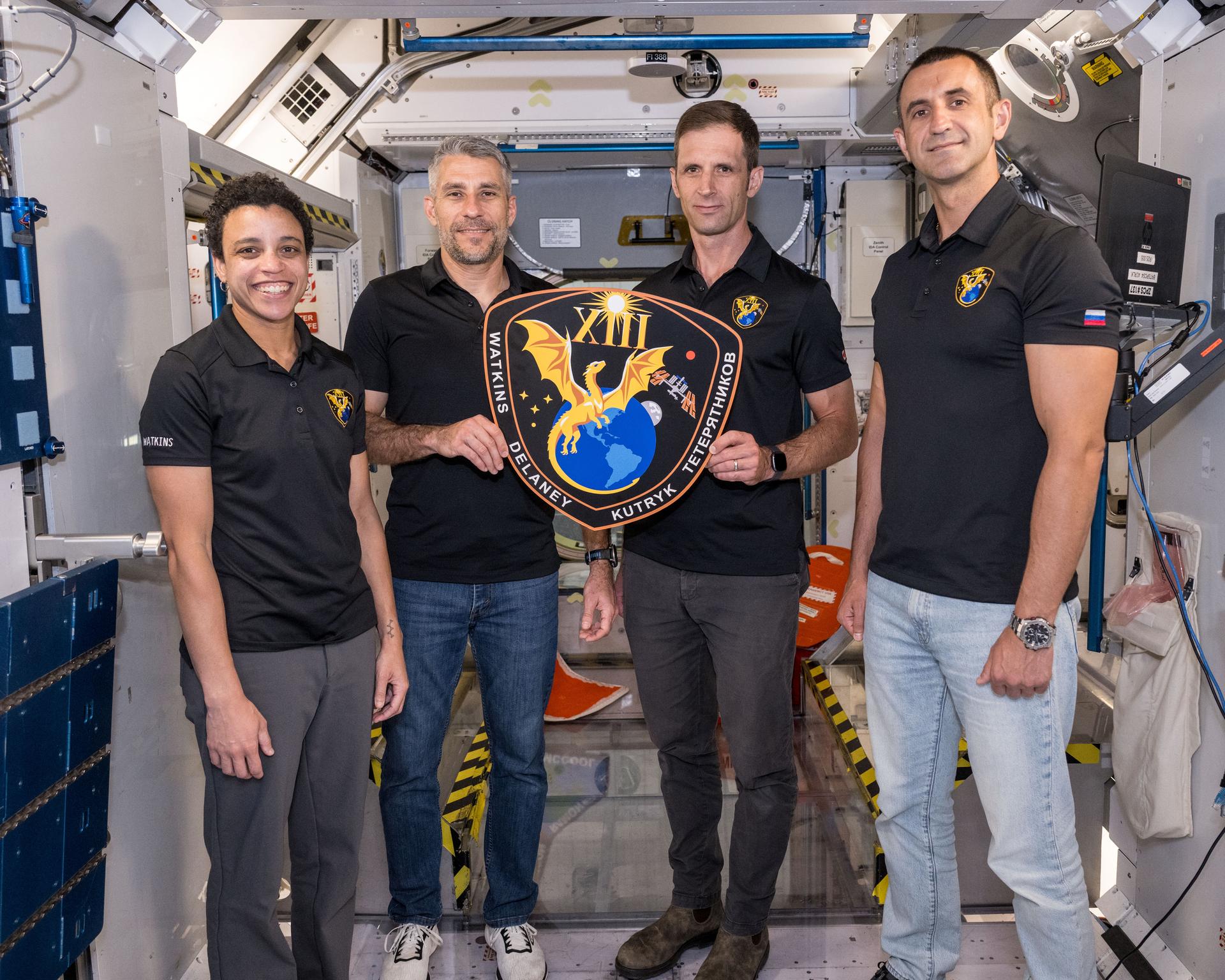
NASA and SpaceX have collaboratively adjusted the launch schedule for their upcoming Crew-13 mission to the International Space Station (ISS). Initially set for a September launch, the mission is now slated to lift off in October 2026. This decision underscores the agencies' commitment to ensuring the safety and success of their missions through meticulous technical preparation.
The Crew-13 mission represents another pivotal step in the ongoing collaboration between NASA and SpaceX, a partnership that has proven instrumental in maintaining and advancing human presence in low Earth orbit. Since the inception of the Commercial Crew Program, SpaceX has played a vital role in ferrying astronauts to and from the ISS, marking significant milestones in commercial spaceflight.
The delay in the Crew-13 launch date is primarily attributed to the need for additional time to complete technical preparations. While specific technical challenges have not been detailed publicly, it is common for complex space missions to encounter such adjustments as part of rigorous pre-flight checks. This ensures that all systems and components meet the high safety and performance standards required for human spaceflight.
NASA and SpaceX have a history of adapting their schedules to accommodate necessary technical evaluations and enhancements. This approach not only prioritizes the safety of the astronauts but also maximizes the mission's scientific and operational outcomes. The delay allows teams to conduct comprehensive system verifications and simulations, further refining the mission’s readiness.
As part of the preparations, SpaceX's Falcon 9 rocket and the Crew Dragon spacecraft will undergo extensive testing and integration processes. These procedures are critical to validate the vehicle's capabilities and to ensure seamless operation during launch, docking, and re-entry phases. The Crew Dragon, in particular, will be subjected to a series of tests to confirm its life-support systems, propulsion, and communication capabilities.
The upcoming Crew-13 mission will transport a new team of astronauts to the ISS, where they will engage in an array of scientific experiments and station maintenance tasks. The ISS serves as a unique laboratory for conducting research that can benefit life on Earth and further human exploration of the solar system. Each mission to the station contributes to a growing body of knowledge that supports NASA's long-term goals, such as the Artemis program's objectives to return humans to the Moon and eventually send crewed missions to Mars.
Given the dynamic nature of space exploration, adjustments to mission timelines are not uncommon. Such changes are often driven by the need to address unforeseen technical issues or to incorporate new technologies and methodologies that enhance mission success. This adaptability is a hallmark of the aerospace industry, enabling it to tackle the inherent challenges of operating in space.
Looking ahead, the successful launch and completion of the Crew-13 mission will build upon the achievements of previous crewed missions under NASA's Commercial Crew Program. These missions have demonstrated the viability of commercial partnerships in space exploration, paving the way for future endeavors that could expand human presence beyond low Earth orbit.
In conclusion, the adjustment of the Crew-13 launch date is a testament to NASA and SpaceX's commitment to mission assurance and astronaut safety. As preparations continue, the space community and the public eagerly anticipate the successful execution of this mission, which promises to contribute valuable insights and advancements to the field of space exploration.