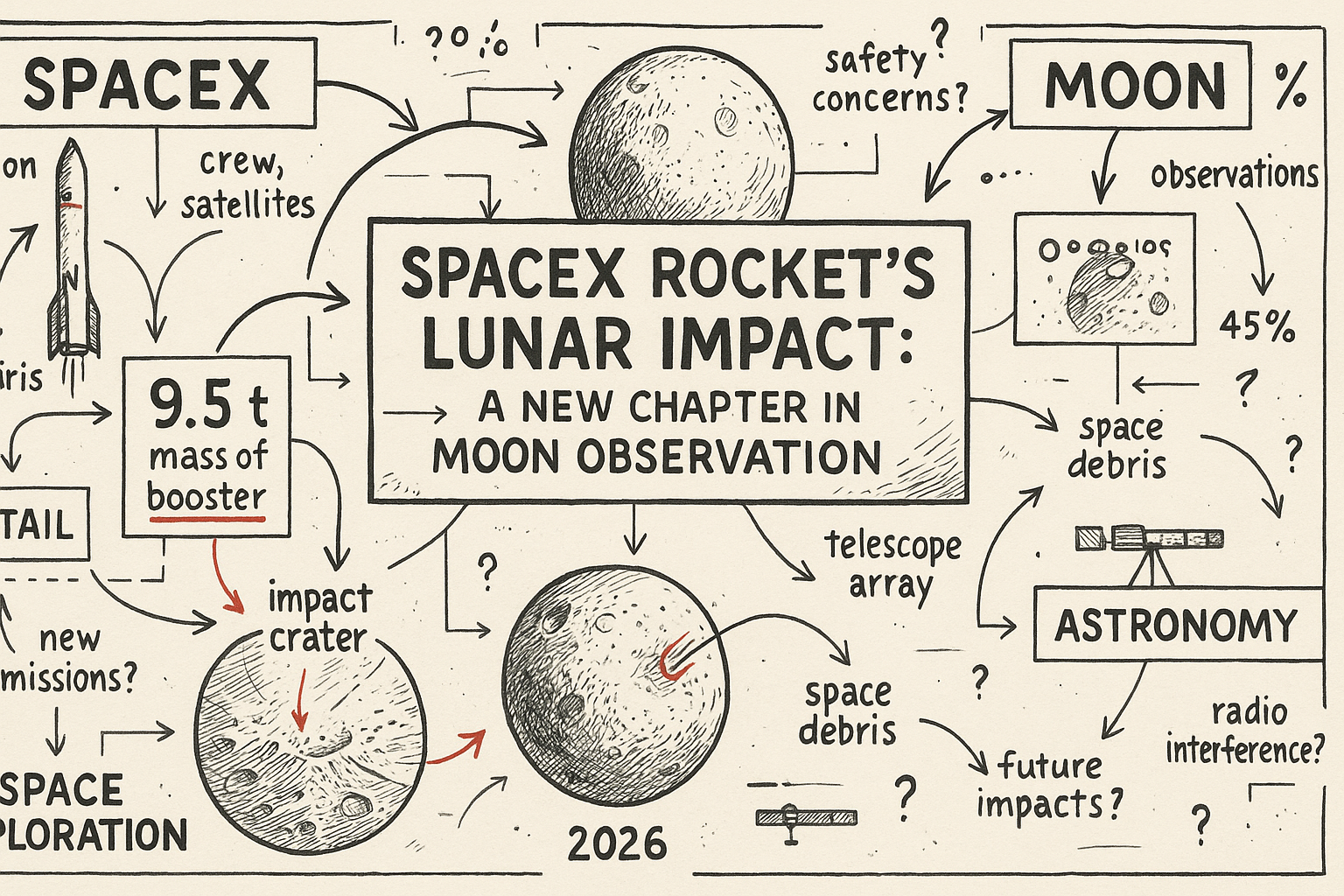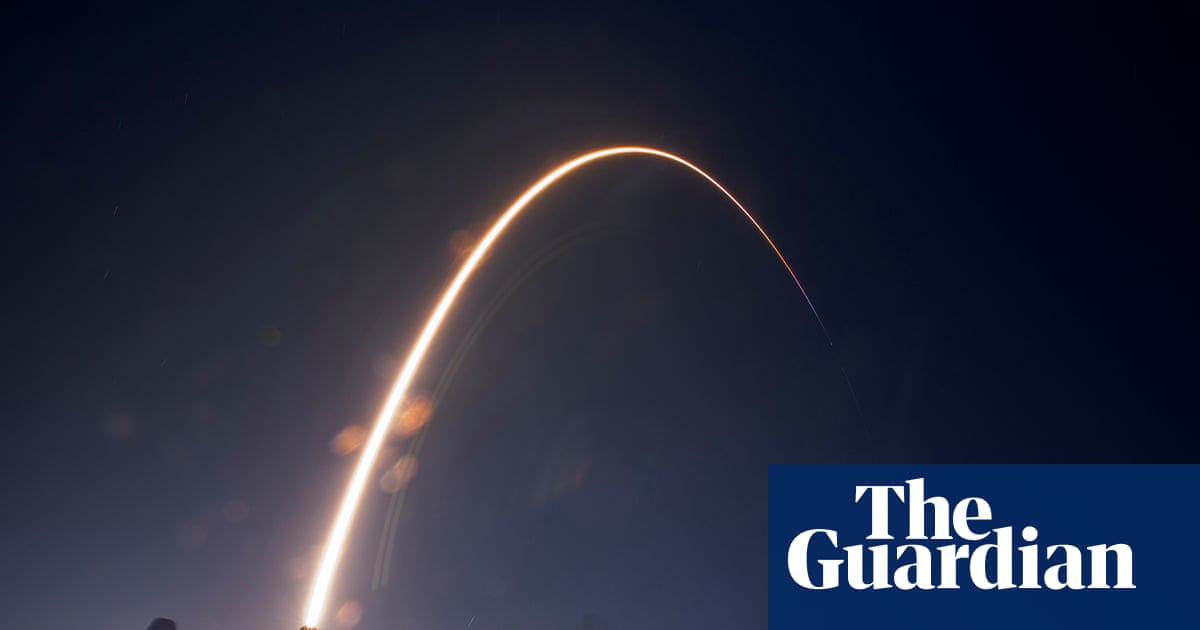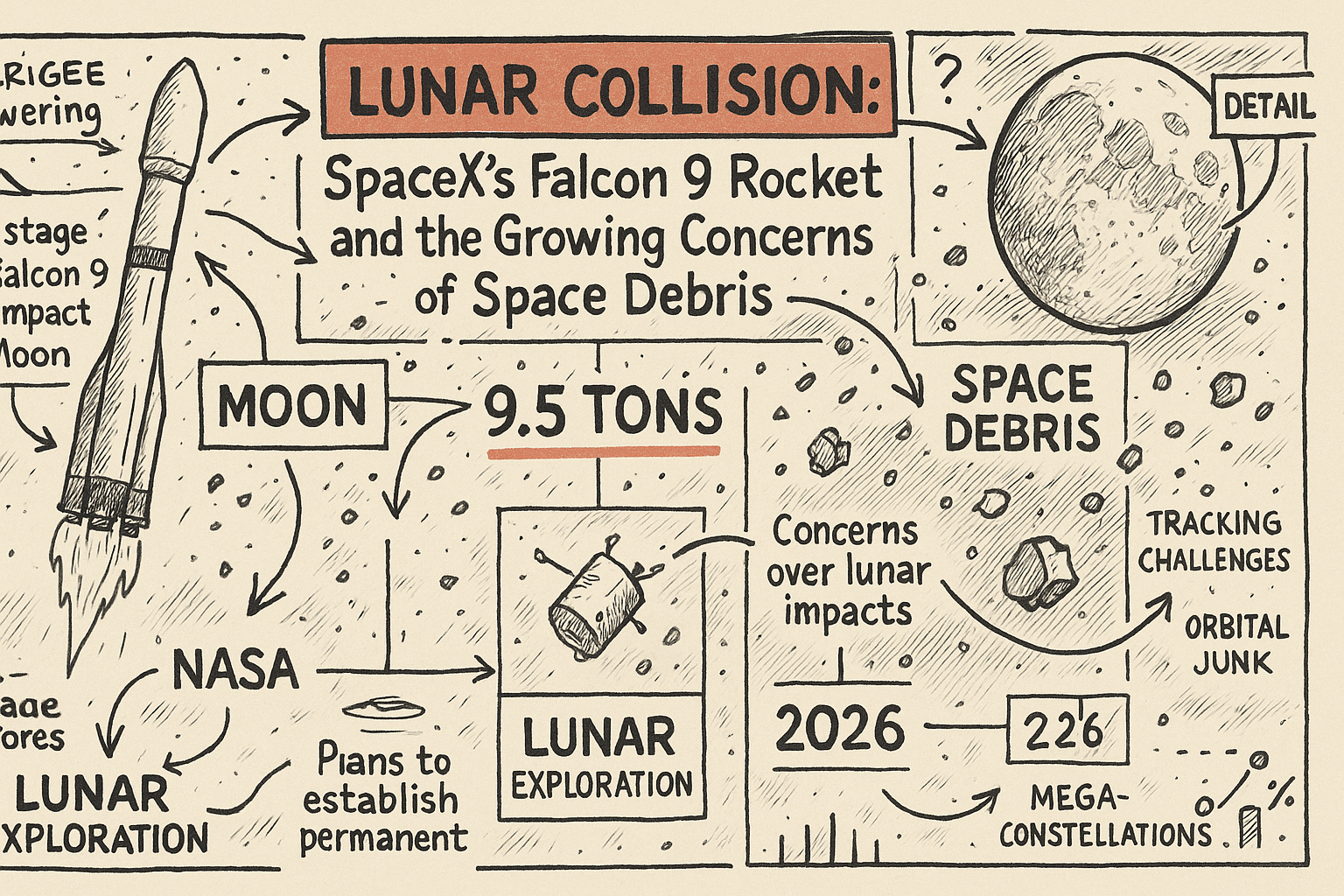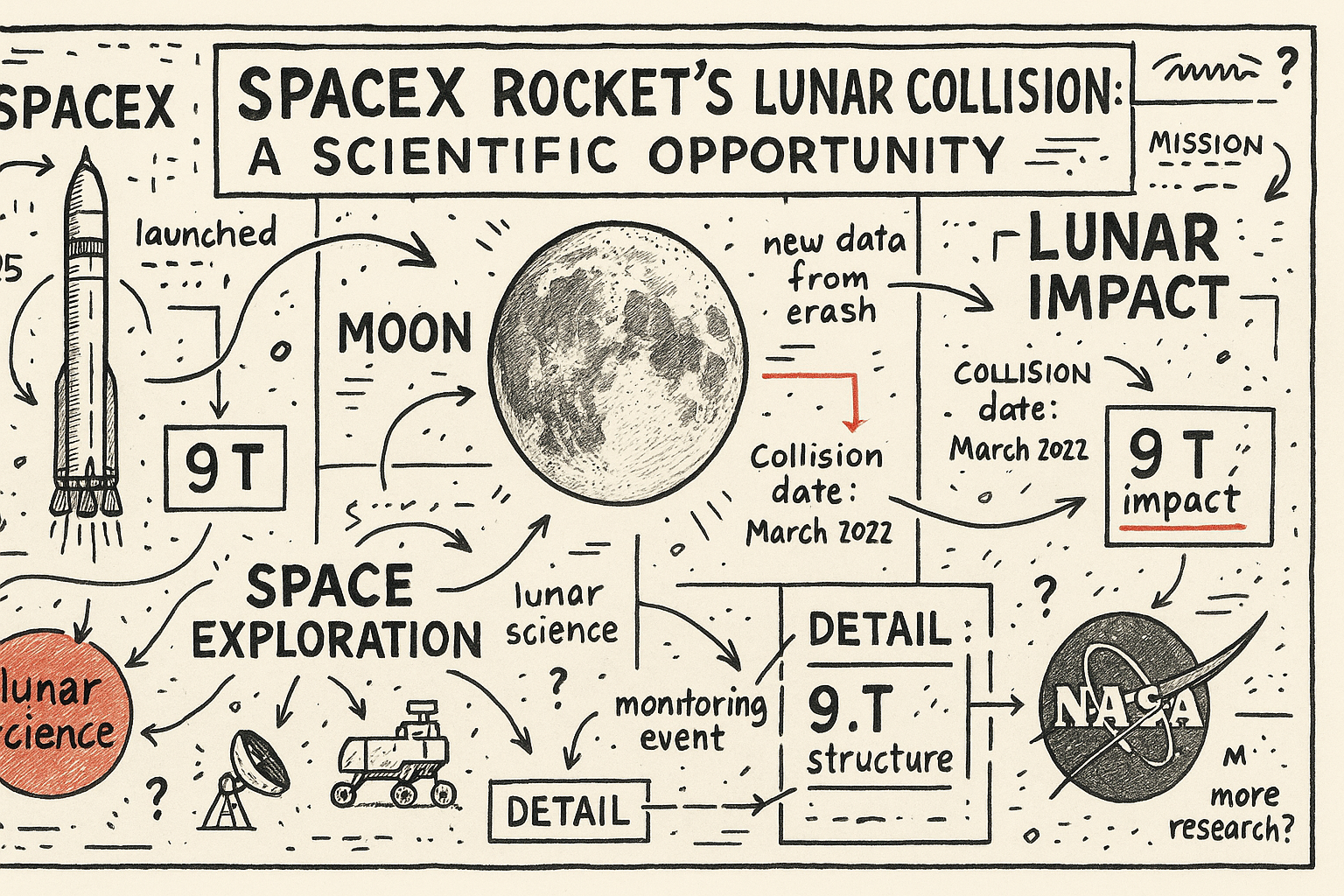
The upcoming impact of a SpaceX Falcon 9 rocket's upper stage with the Moon is drawing significant attention from the scientific community. This event, which is expected to occur soon, has sparked interest due to its potential to provide valuable data for lunar studies.
Originally launched to deploy a pair of lunar landers, the Falcon 9's upper stage has been on a trajectory that will lead it to collide with the Moon. While unintended, this collision presents a rare opportunity for scientists to observe the effects of such an impact on the lunar surface.
Scientific Implications
The impact of the Falcon 9 rocket is expected to create a new crater on the lunar surface. This will allow scientists to study the Moon's geology and the processes involved in crater formation. By analyzing the resulting debris and changes to the lunar surface, researchers can gain insights into the composition and structure of the Moon's crust.
Additionally, the impact will provide data on the dynamics of high-velocity collisions in space. Understanding these dynamics is crucial for future lunar missions, particularly those involving landings and surface operations.
Technological and Mission Context
This event occurs in the context of ongoing efforts to advance lunar exploration technology. NASA, for instance, is working with industry partners to develop cislunar infrastructure as part of its Artemis program. The knowledge gained from the Falcon 9 impact could inform the design and execution of future missions, including those aimed at establishing a sustainable human presence on the Moon.
Moreover, the event highlights the importance of tracking and managing space debris. As more missions are launched, the potential for unintended impacts increases, underscoring the need for improved orbital management strategies.
In conclusion, while the Falcon 9's collision with the Moon was not planned, it represents a significant opportunity for scientific advancement. By studying the impact and its aftermath, scientists hope to unlock new secrets about our nearest celestial neighbor and refine techniques for future lunar exploration.