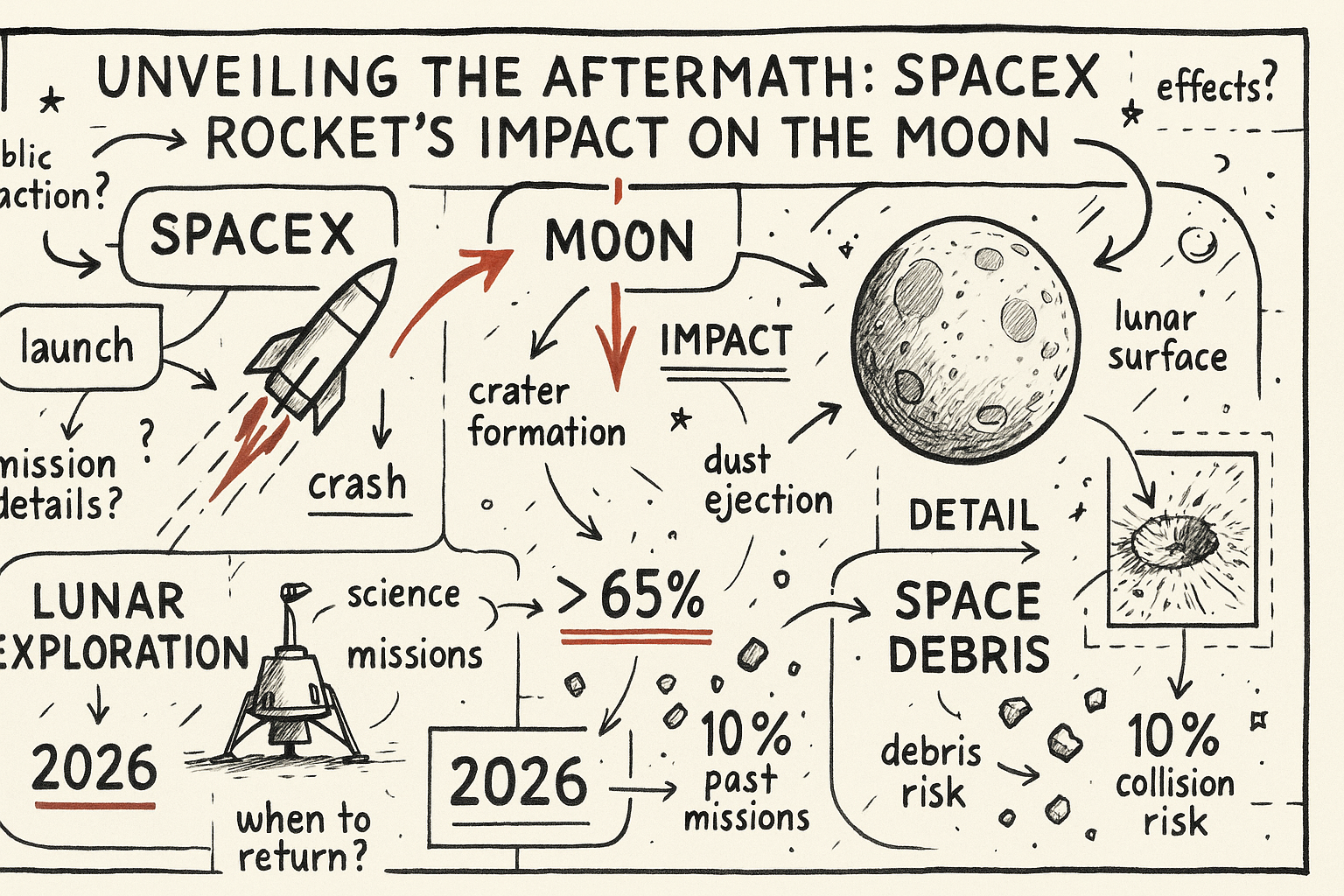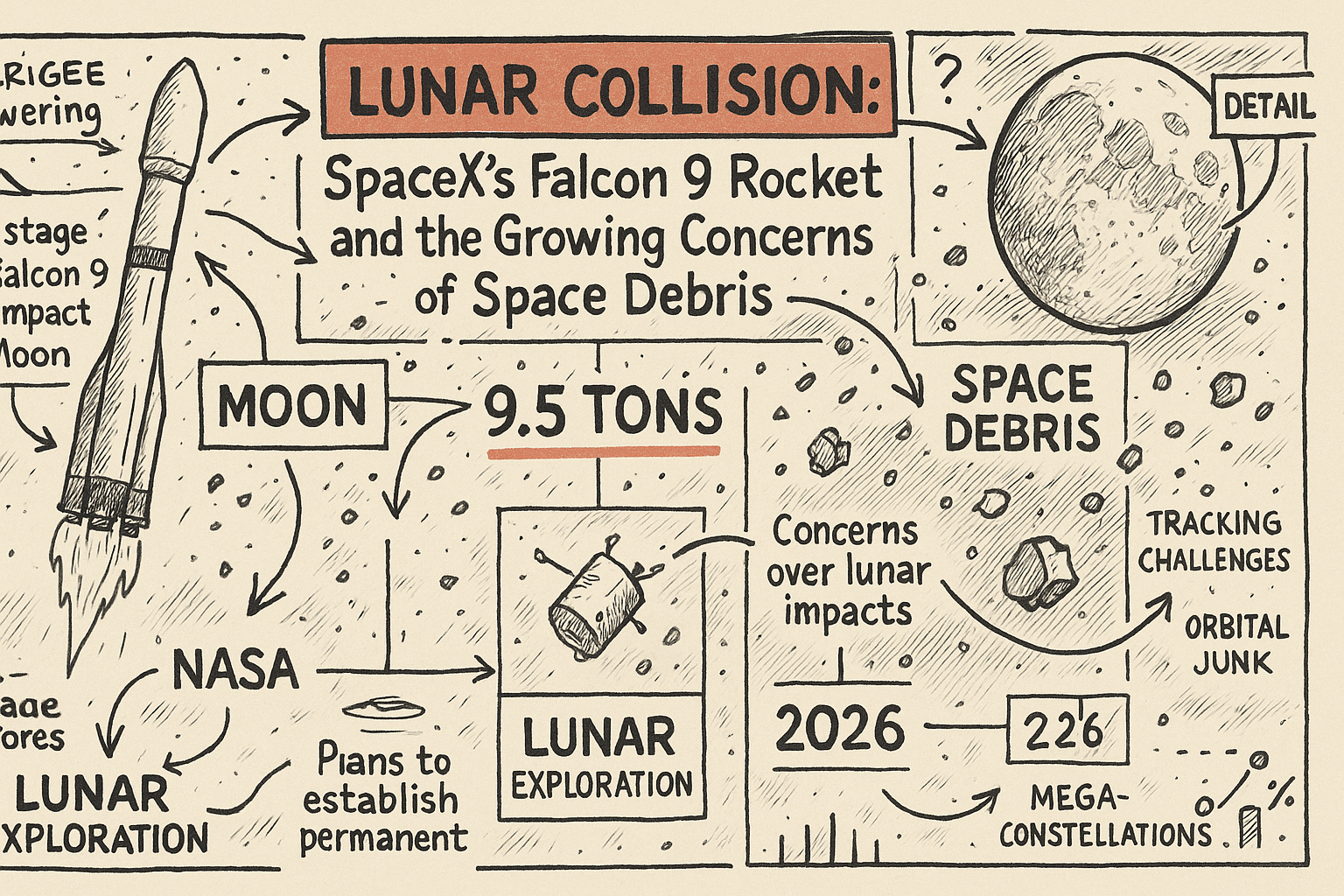
On August 5, 2026, a defunct upper stage of a SpaceX Falcon 9 rocket collided with the Moon, creating a new crater on its surface. This event, while not intentional, underscores the dual nature of lunar impacts as both a routine disposal method and a potential hazard.
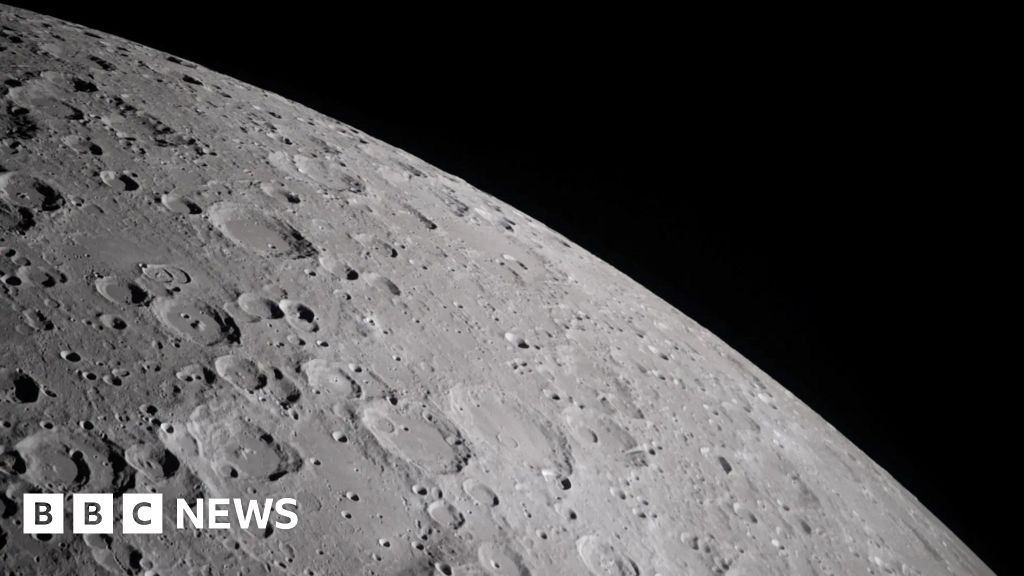
NASA's Lunar Reconnaissance Orbiter captured images of the newly formed crater, which measures approximately 18 meters in diameter. The images, taken on August 11 and 12, provide a stark before-and-after comparison of the lunar surface, highlighting the impact's significant alteration of the terrain.
The Falcon 9 upper stage had been adrift for 19 months after delivering payloads for Firefly's Blue Ghost and ispace's Resilience missions in January 2025. Traveling at an estimated 8,700 kilometers per hour (5,400 mph), the stage struck an empty region on the Moon's surface, about 900 kilometers away from any established structures.
The Practice of Lunar Impacts
NASA has described lunar-surface impacts as an “accepted and safe” method for disposing of space hardware. This practice allows for the controlled end-of-life management of spacecraft components, preventing them from becoming hazardous debris in Earth's orbit. However, the increasing frequency of such events raises questions about the long-term implications for lunar exploration and the potential for unintended damage.
Concerns Over Space Debris
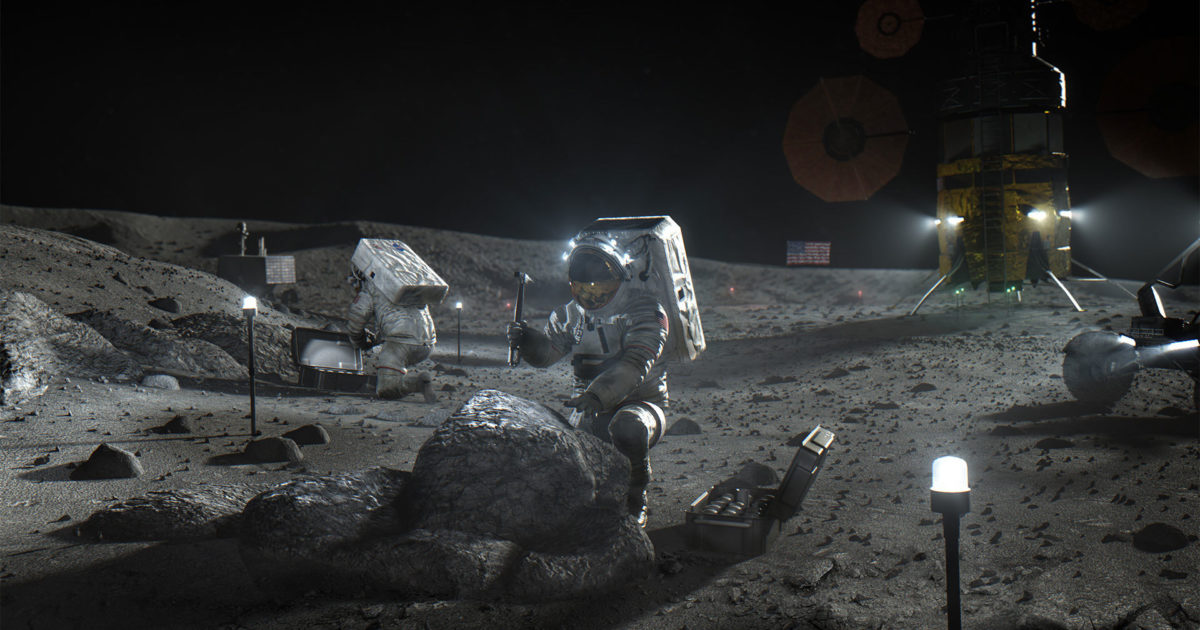
The collision has reignited discussions about the growing problem of space debris, particularly in cislunar space. As launches to the Moon and beyond become more common, the risk of debris-related incidents increases. The presence of debris not only poses a threat to future missions but also complicates the planning of lunar bases and other infrastructure.
In the aftermath of the impact, astronomers using the European Southern Observatory's Very Large Telescope in Chile detected spectroscopic evidence of lithium and sodium in the ejecta. This data, along with observations from the Korean Pathfinder Lunar Orbiter, provides valuable insights into the composition of the lunar surface and the effects of such collisions.
As space agencies and private companies continue to explore and utilize the Moon, the need for comprehensive debris management strategies becomes increasingly apparent. The recent Falcon 9 impact serves as a reminder of the delicate balance between technological advancement and environmental stewardship in the realm of space exploration.