The Artemis IV mission, a pivotal part of NASA’s ongoing efforts to explore the Moon, is set to land astronauts on the lunar surface by 2028. This mission marks an important milestone as it aims to deepen our understanding of the Moon's origins and assess its potential for sustaining future human activities.
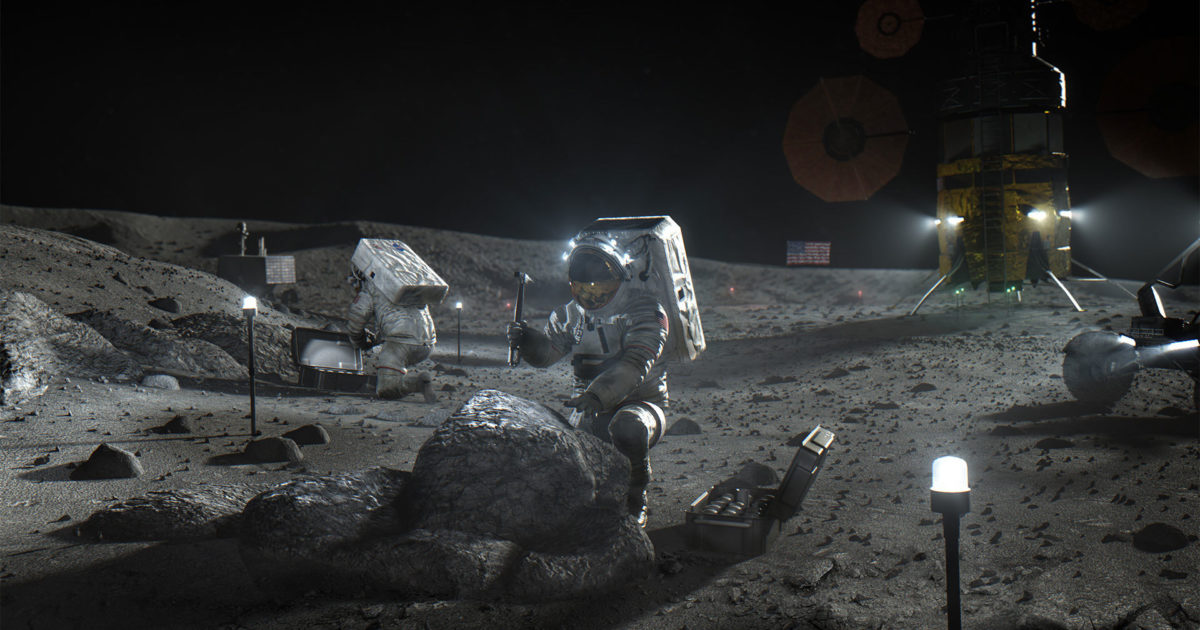
Leading the scientific charge is Brett Denevi, a planetary scientist at the Johns Hopkins Applied Physics Laboratory. As the principal investigator of the Artemis IV Geology Team, Denevi is tasked with orchestrating a comprehensive scientific investigation that will unfold during the astronauts' time on the Moon. With a maximum of 32 hours available for lunar exploration, every moment is crucial.
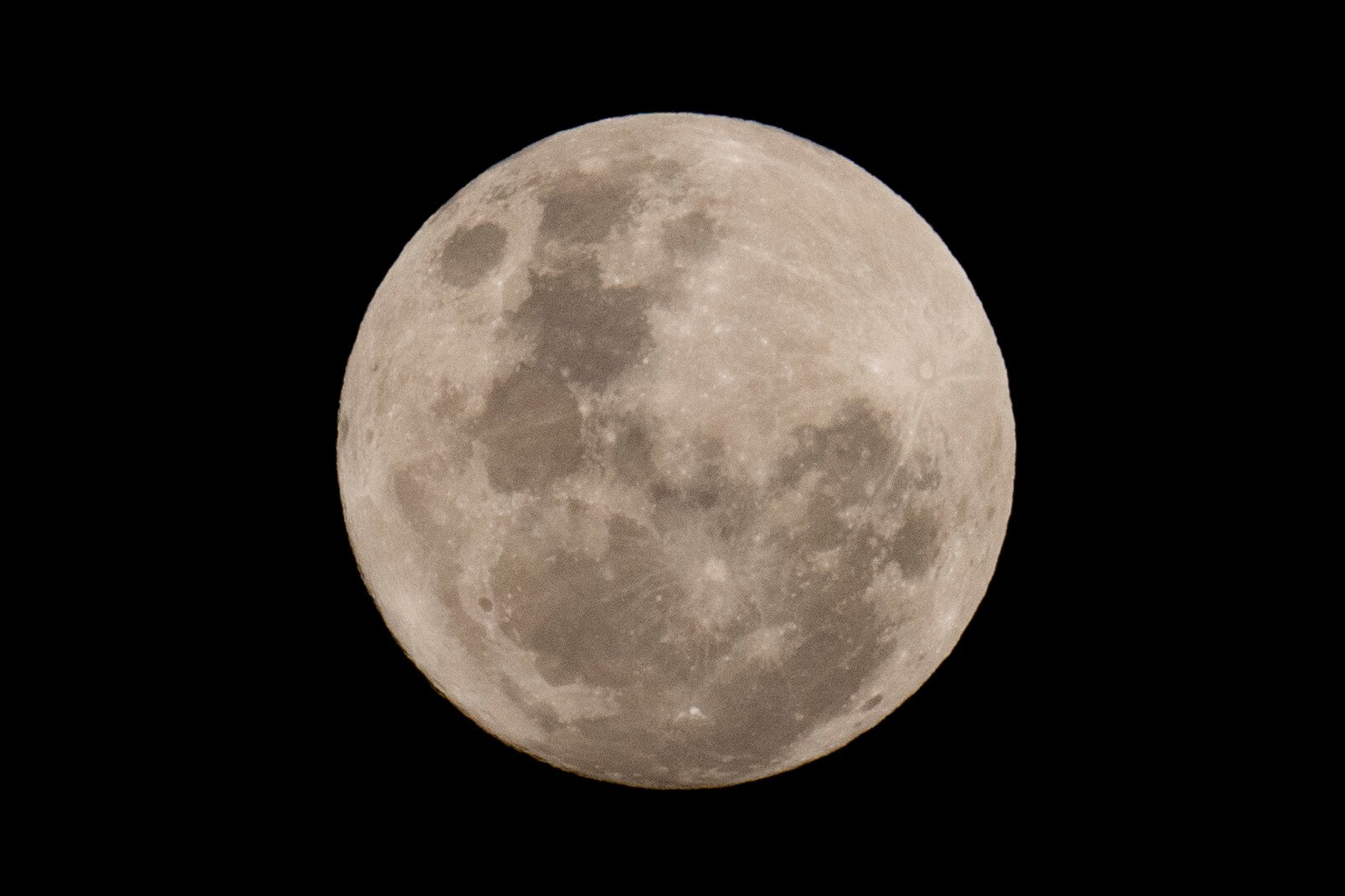
The significance of Artemis IV cannot be overstated. Denevi’s team aims to tackle longstanding questions about the Moon, including its formation and the influence of asteroid impacts over the eons. These investigations are not only vital for understanding lunar history but also for determining the Moon's suitability for further exploration and potential habitation.
Scheduled to land near the Moon’s south pole, the Artemis IV mission will see two astronauts descending to the surface while their counterparts remain in lunar orbit. The mission's landing and exploration zones will cover an area approximately twice the size of New York City’s Central Park. Over several days, the astronauts will conduct up to four excursions, each lasting a maximum of eight hours.
Preparation for these moonwalks is extensive. Denevi and her team are meticulously mapping out areas of interest and devising a plan that aligns with long-standing scientific goals. Although the exact landing site has yet to be determined, the team’s objectives remain clear: to uncover the Moon’s secrets and lay the groundwork for future missions.
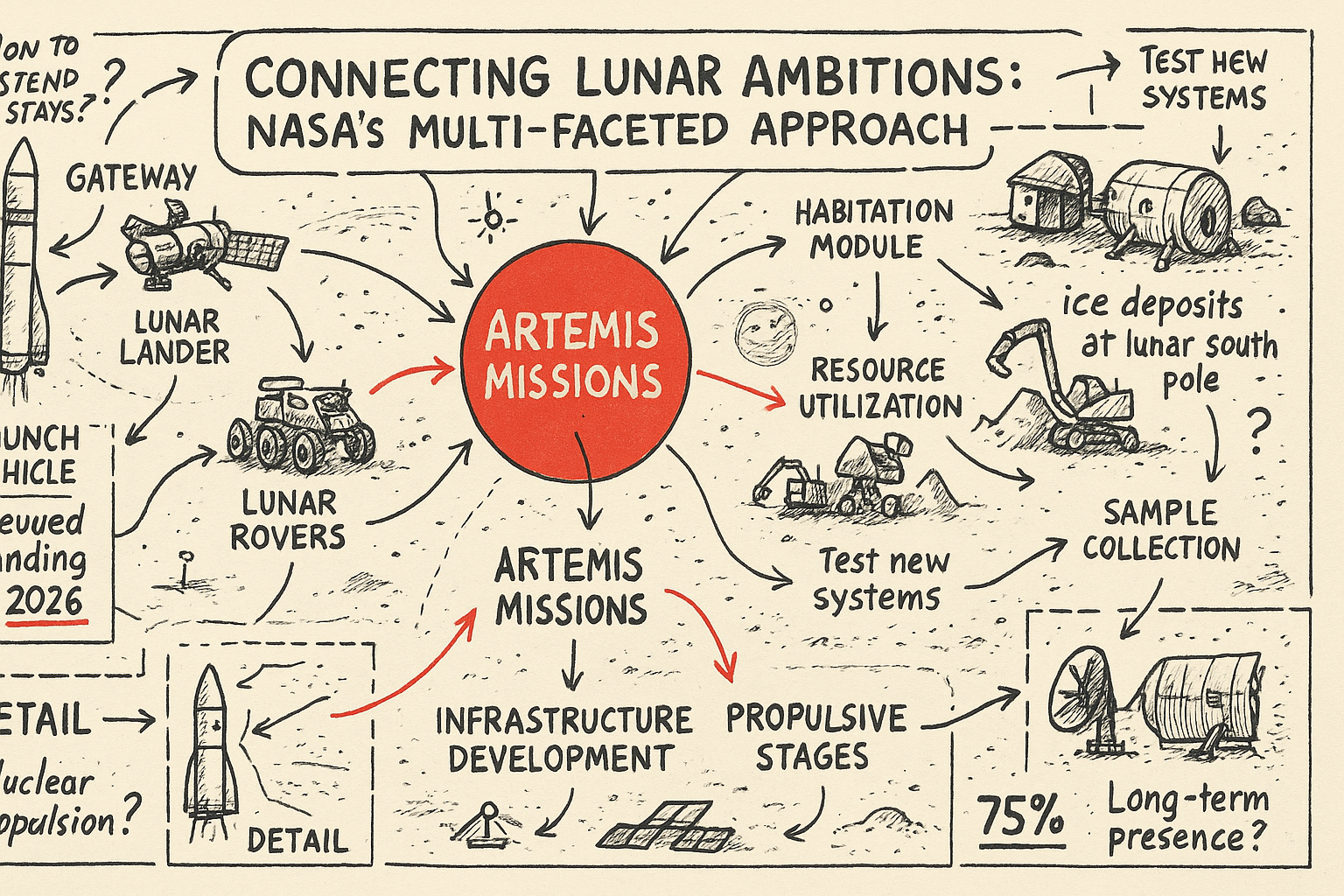
The Artemis program, which began with the Artemis I mission in 2022, has been progressively building towards these ambitious goals. Artemis I’s successful deployment of the Orion spacecraft demonstrated the capabilities of NASA’s Space Launch System (SLS) and set the stage for subsequent missions. The Artemis II mission, launched in April 2026, further tested these systems and ensured readiness for crewed lunar exploration.
As preparations for Artemis IV continue, the broader implications of the mission are becoming increasingly apparent. The Moon, often regarded as a stepping stone to further space exploration, holds promise as a potential hub for future missions, including those aimed at Mars. By understanding the Moon’s geological history and resources, NASA hopes to establish a sustainable presence beyond Earth.
In the coming years, as Artemis IV prepares to launch, the mission will not only endeavor to solve scientific mysteries but also inspire a new generation of explorers and researchers. The success of Artemis IV could pave the way for a future where lunar exploration is routine, and the Moon becomes a gateway to the cosmos.