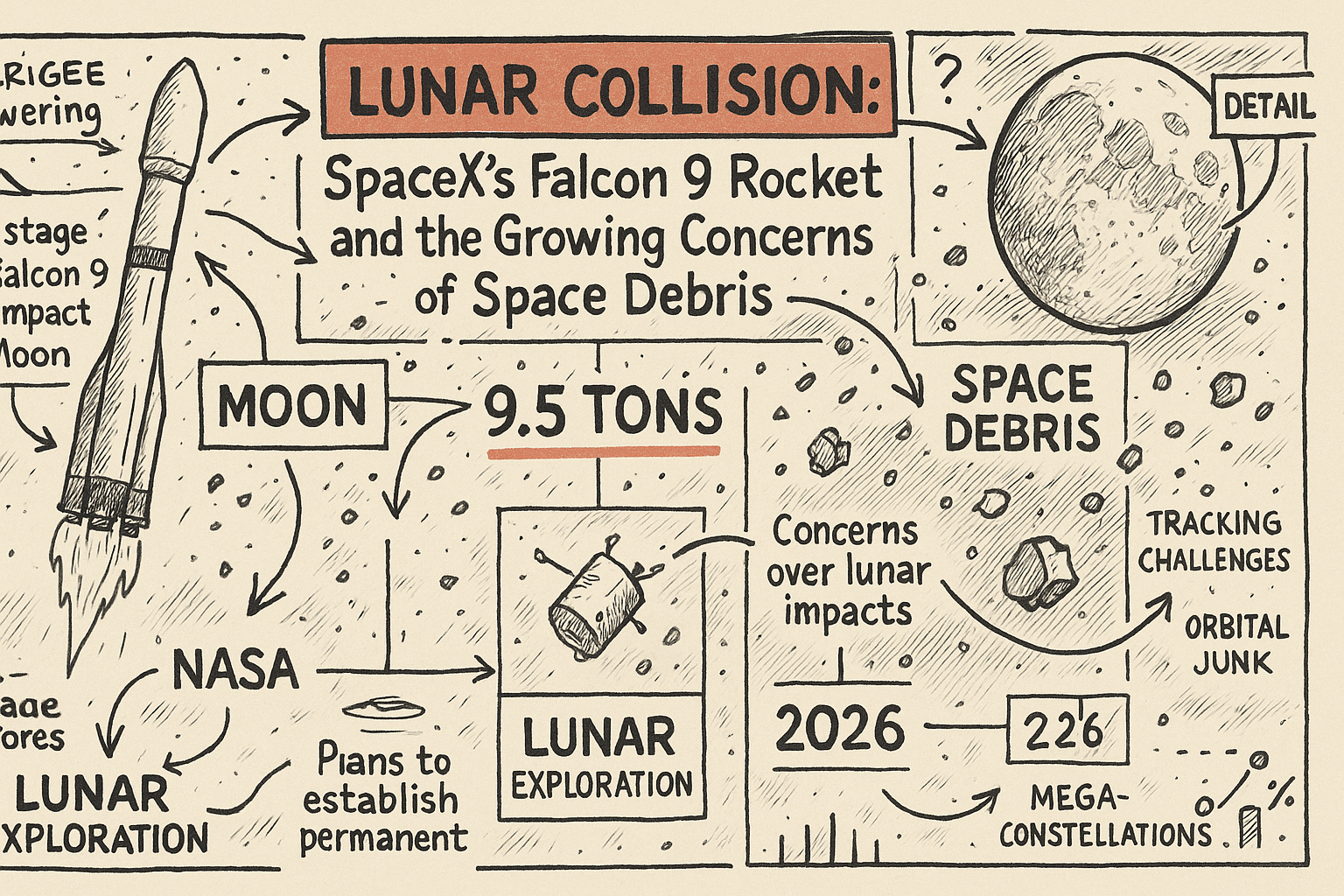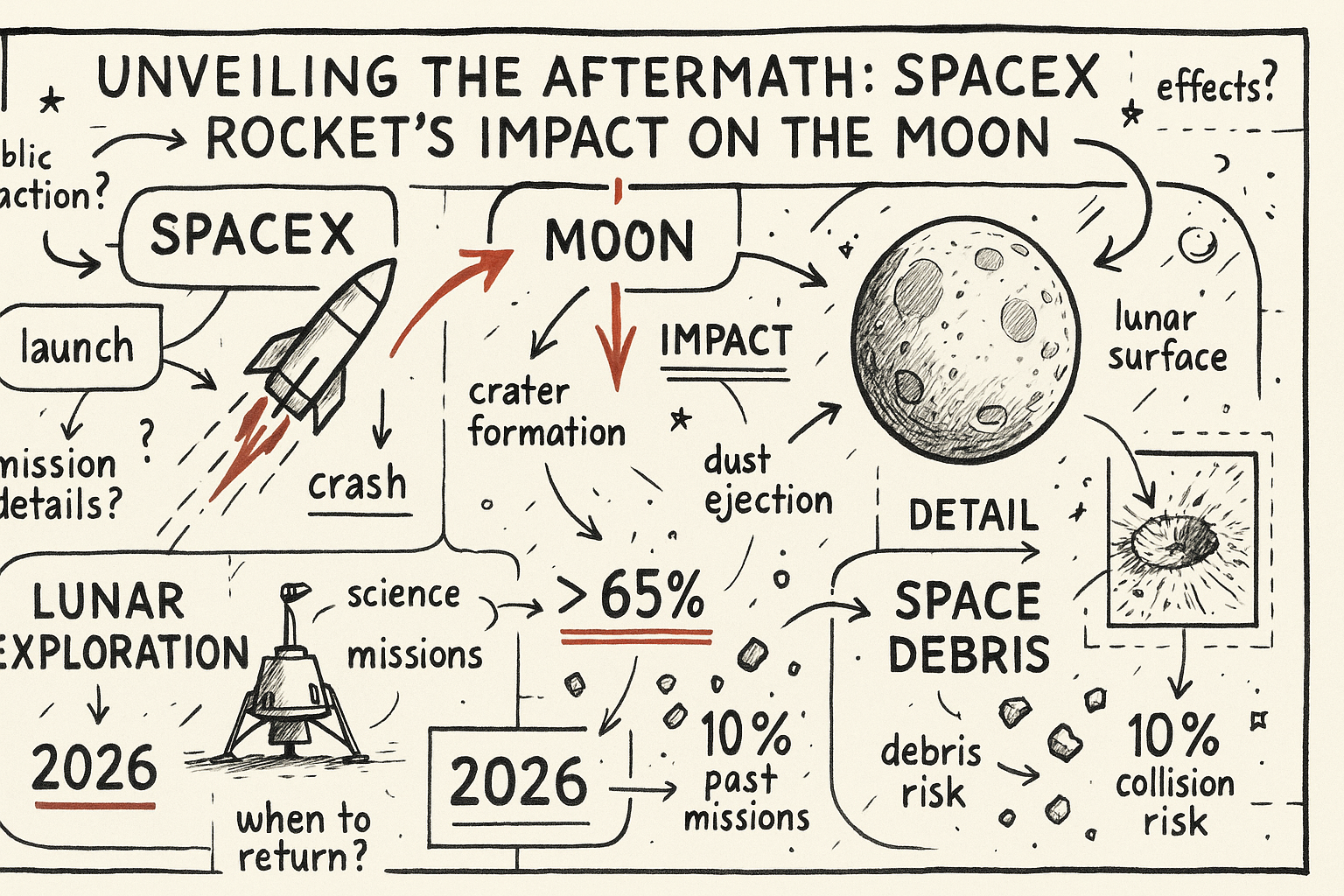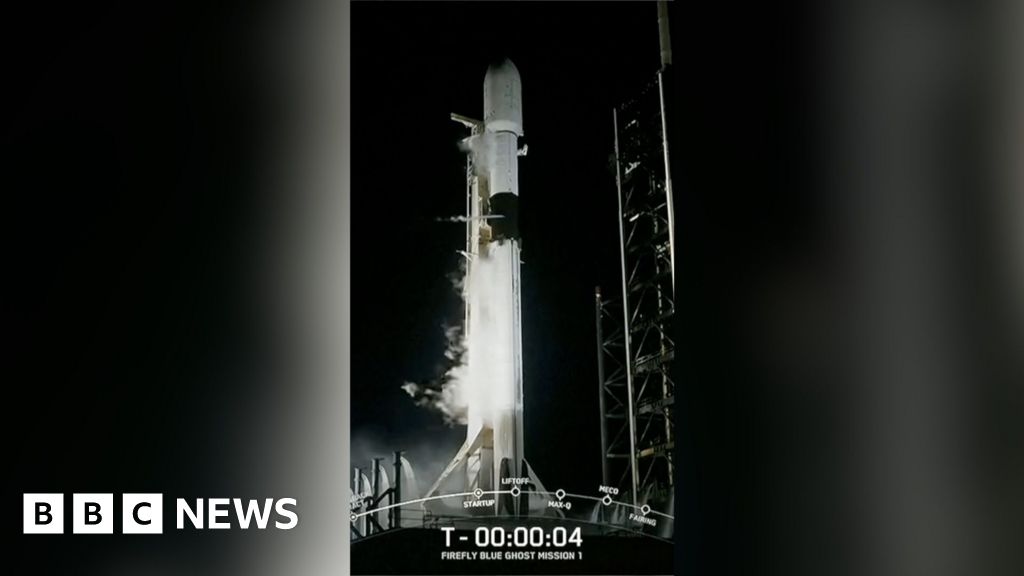
In a major development following the recent crash of a SpaceX Falcon 9 rocket onto the Moon, a South Korean lunar orbiter has captured the first images of the impact site. The images, shared by South Korea's space agency, reveal the before and after scenes of the lunar surface where the rocket's debris made contact.
These images are crucial for scientists aiming to study the effects of human-made impacts on the Moon. The crash, which occurred on August 5, has been confirmed by NASA as an 'unplanned impact' after the rocket's upper stage drifted off course for over a year. This confirmation aligns with predictions made by scientists prior to the event.
The images provided by the South Korean satellite offer a unique opportunity to analyze the crater and surrounding area. This can help researchers understand the dynamics of such impacts and their potential implications for future lunar missions. The scientific community is eagerly awaiting further analysis and data from other orbiters that may soon capture additional perspectives of the site.
While initial reports highlighted the lack of immediate imagery, the release of these satellite photos marks a significant advancement in the observation of lunar events. As more data becomes available, scientists hope to gain deeper insights into the consequences of human activity on the Moon's environment.