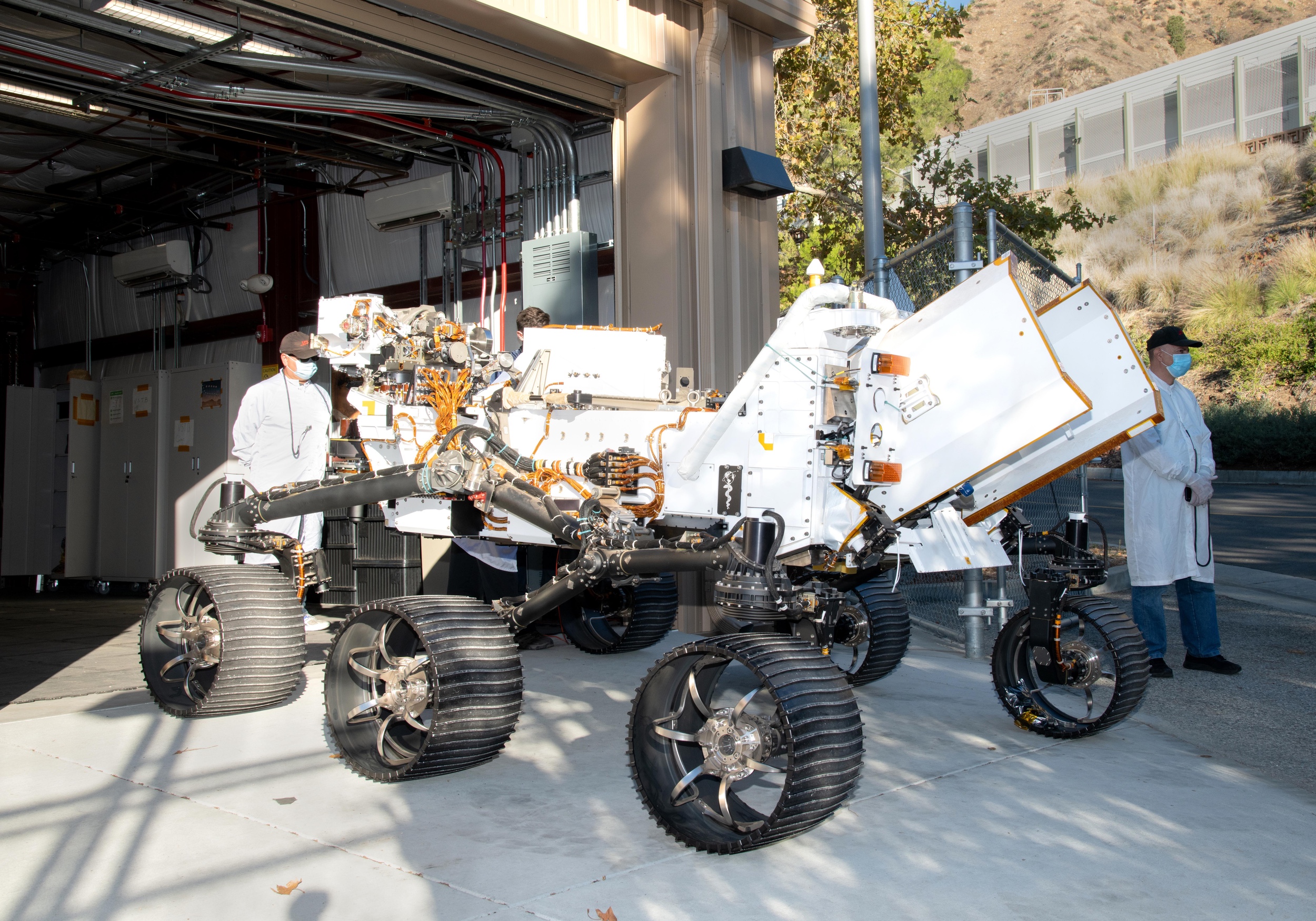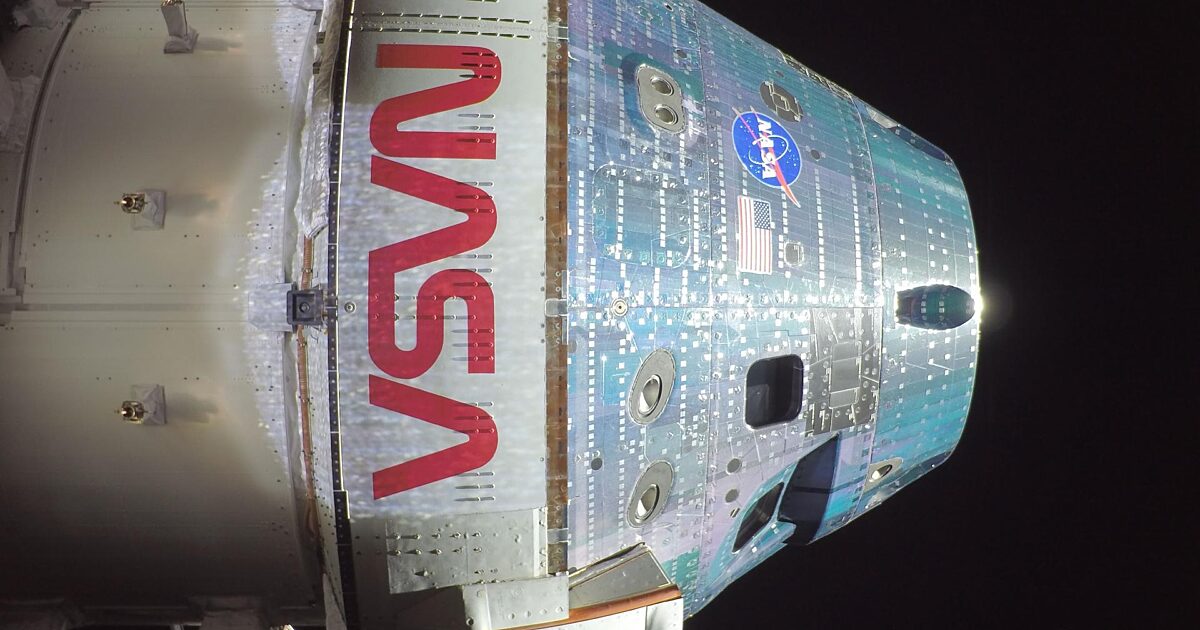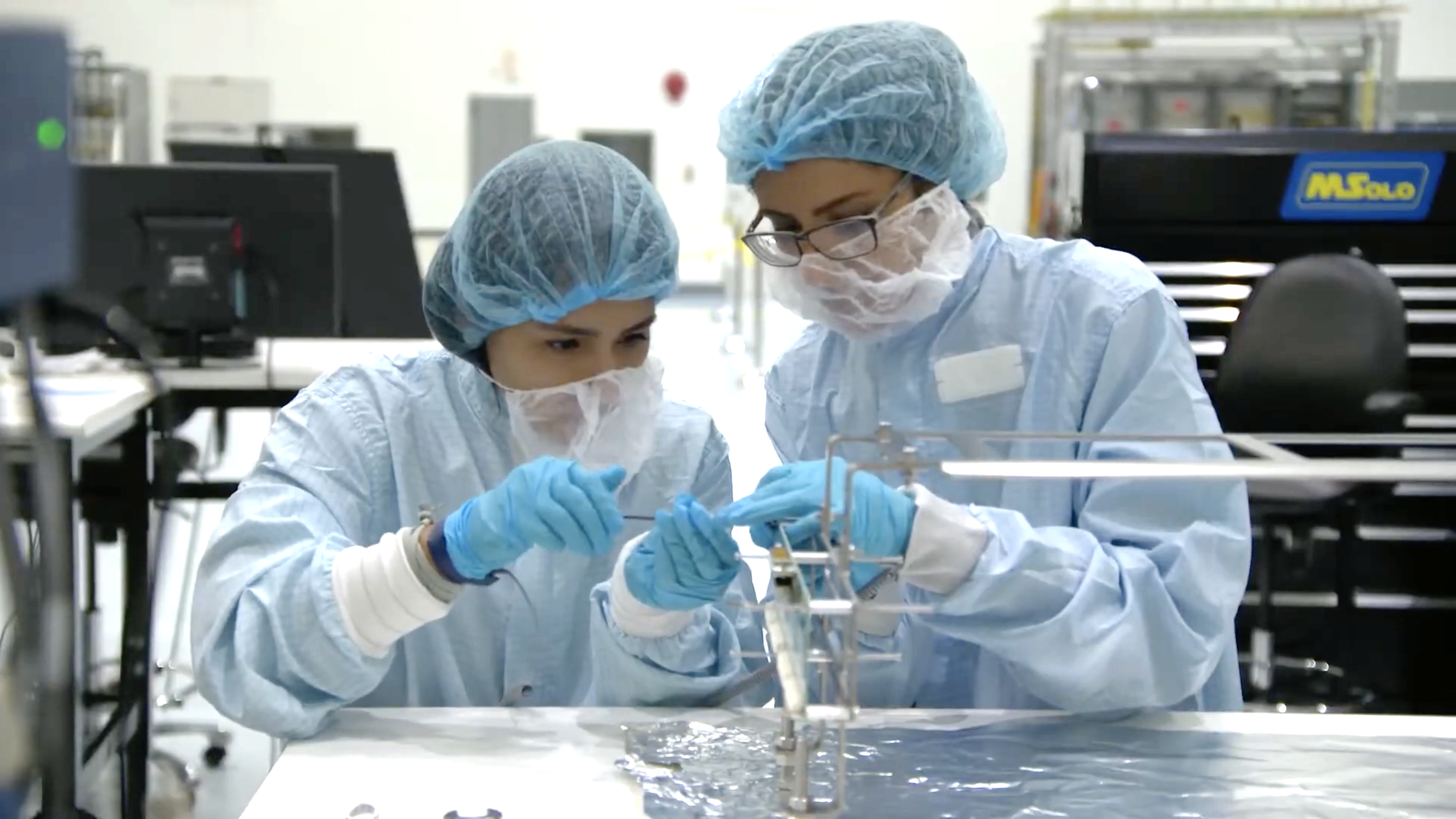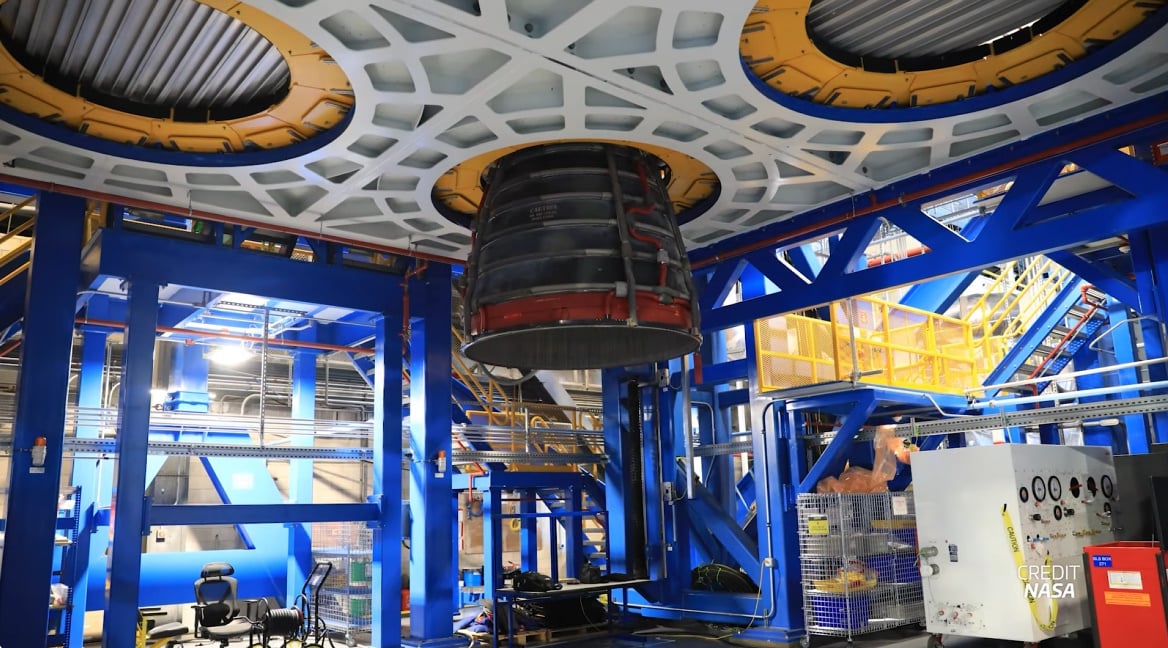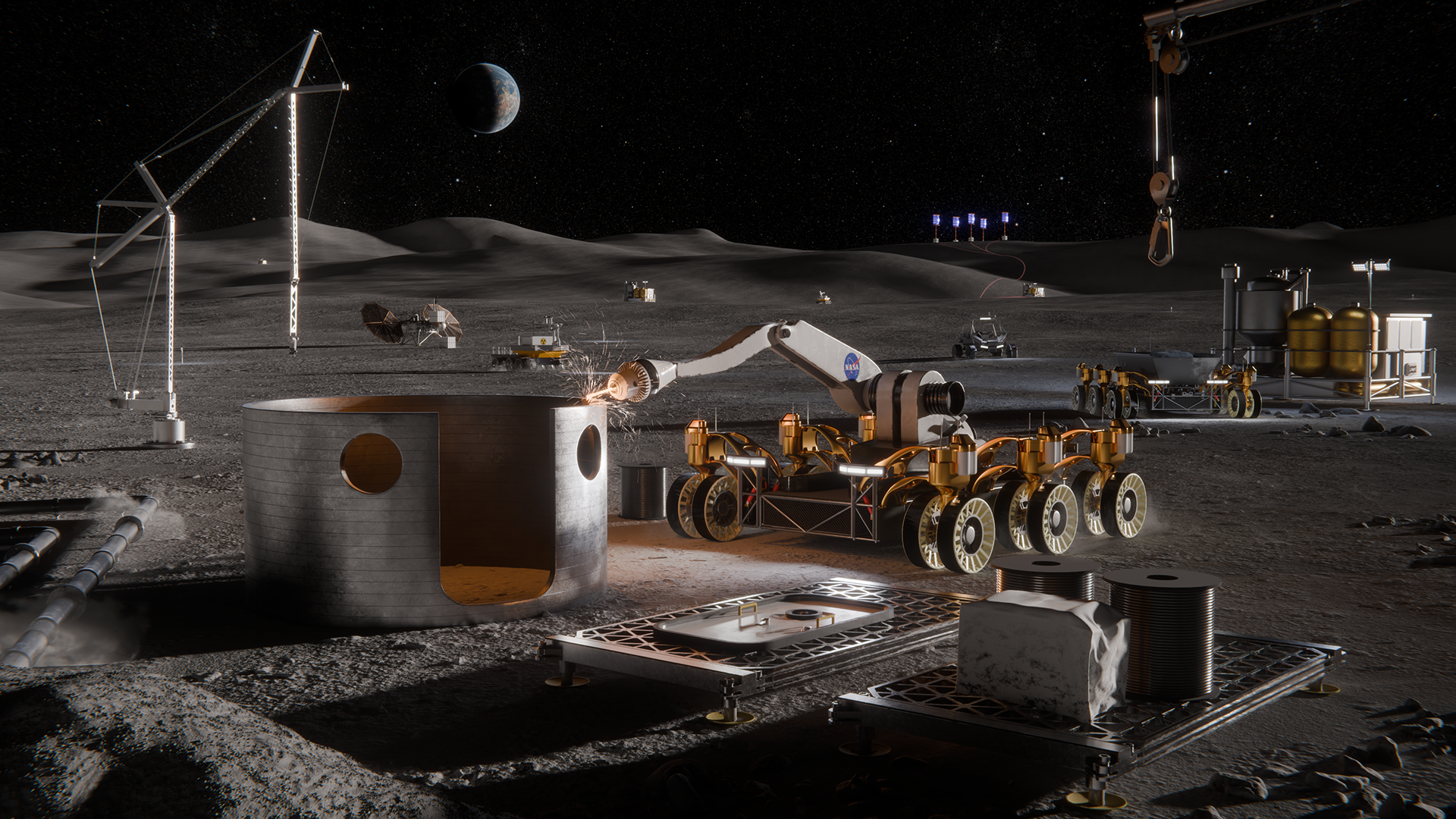
NASA's NextSTEP-3 A initiative is an integral part of the agency's broader efforts to develop advanced technologies that will enable sustained human and robotic exploration of the Moon. This initiative is particularly focused on overcoming the numerous technical challenges associated with long-term lunar operations, as part of the Artemis program's ambitious goals.
The NextSTEP-3 A program is centered around the development of new technologies necessary for establishing a sustainable human presence on the lunar surface. This includes innovations in areas such as power generation, habitat construction, and resource utilization. By advancing these technologies, NASA aims to support the objectives of the Artemis missions, which seek not only to land the first woman and the next man on the Moon but also to lay the groundwork for future human expeditions to Mars.
One of the key aspects of the NextSTEP-3 A initiative is the focus on 'Lunar Enabling Technology.' This encompasses a range of technological solutions designed to address the unique challenges posed by the lunar environment. For example, the harsh conditions on the Moon, such as extreme temperatures and radiation, necessitate the development of robust materials and systems capable of withstanding these factors over extended periods.
Moreover, the program emphasizes the importance of in-situ resource utilization (ISRU), which involves using lunar materials to support exploration activities. ISRU is considered a game-changer for space exploration because it reduces the need to transport resources from Earth, thereby significantly lowering the cost and complexity of lunar missions. Technologies being developed under NextSTEP-3 A aim to harness the Moon's resources, such as its regolith, to produce water, oxygen, and even building materials.
The initiative also seeks to advance power generation technologies crucial for sustaining operations on the Moon. This includes the development of small, lightweight nuclear reactors and solar power systems that can provide reliable energy in the absence of sunlight during the lunar night, which lasts about 14 Earth days.
In addition to technological advancements, NextSTEP-3 A fosters collaboration between NASA and commercial partners. This partnership model is designed to leverage the expertise and innovation of private industry to accelerate the development of lunar technologies. By working together, NASA and its partners aim to achieve more rapid and cost-effective progress towards sustainable lunar exploration.
The NextSTEP-3 A initiative is a continuation of NASA's long-standing commitment to space exploration and technological innovation. Historically, NASA's technology programs have yielded numerous breakthroughs that have benefited not only space missions but also various sectors on Earth. The technologies developed for lunar exploration have the potential to lead to new commercial opportunities and industries, both in space and on our home planet.
Looking ahead, the success of the NextSTEP-3 A program will be pivotal in determining the pace and scope of future lunar exploration efforts. As NASA and its partners continue to push the boundaries of what is technically possible, the dream of establishing a permanent human presence on the Moon moves closer to reality. This endeavor not only holds promise for scientific discovery and the advancement of human knowledge but also for inspiring the next generation of explorers and engineers.