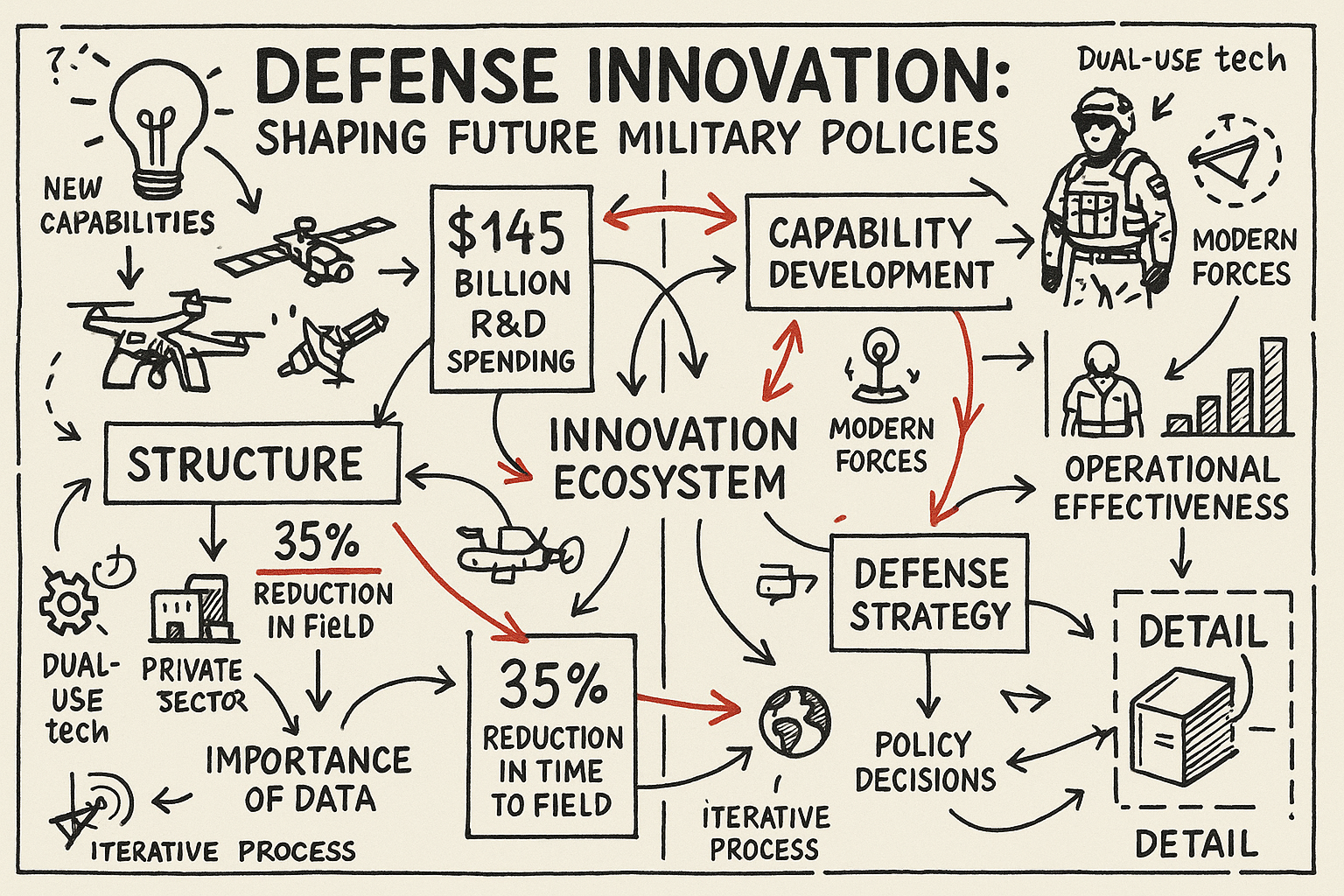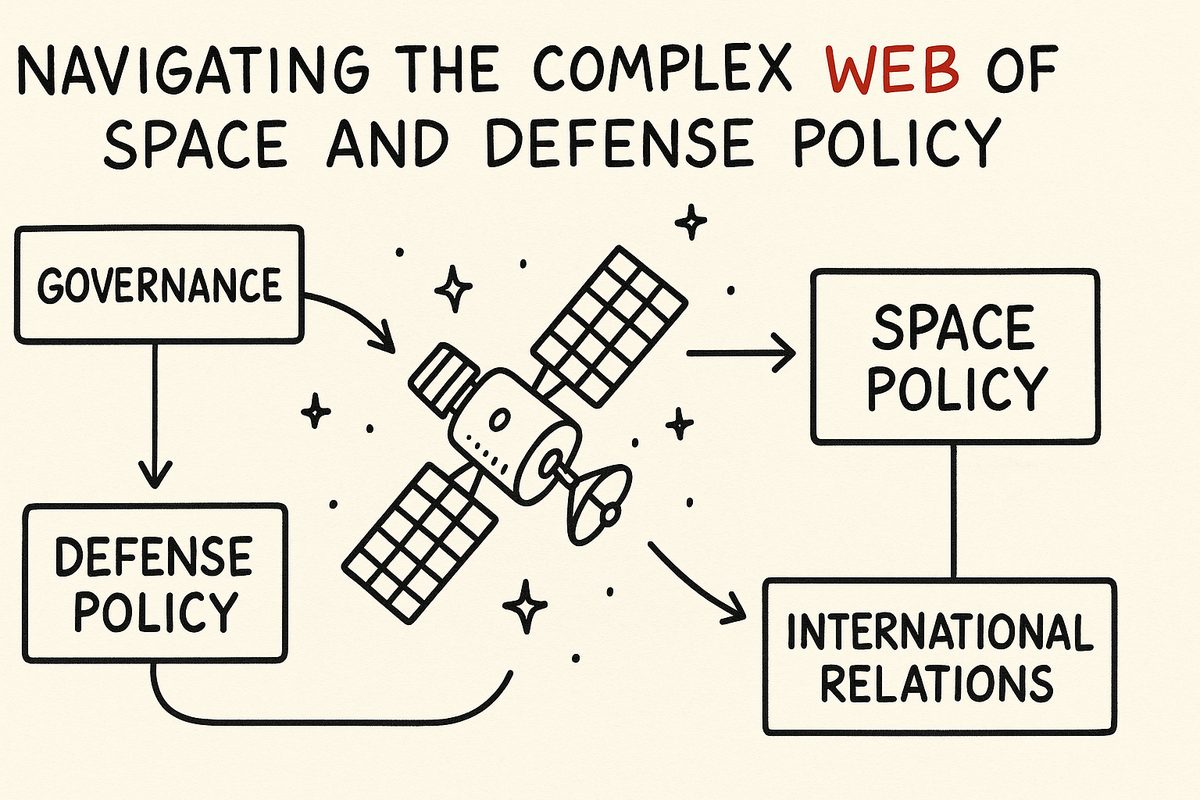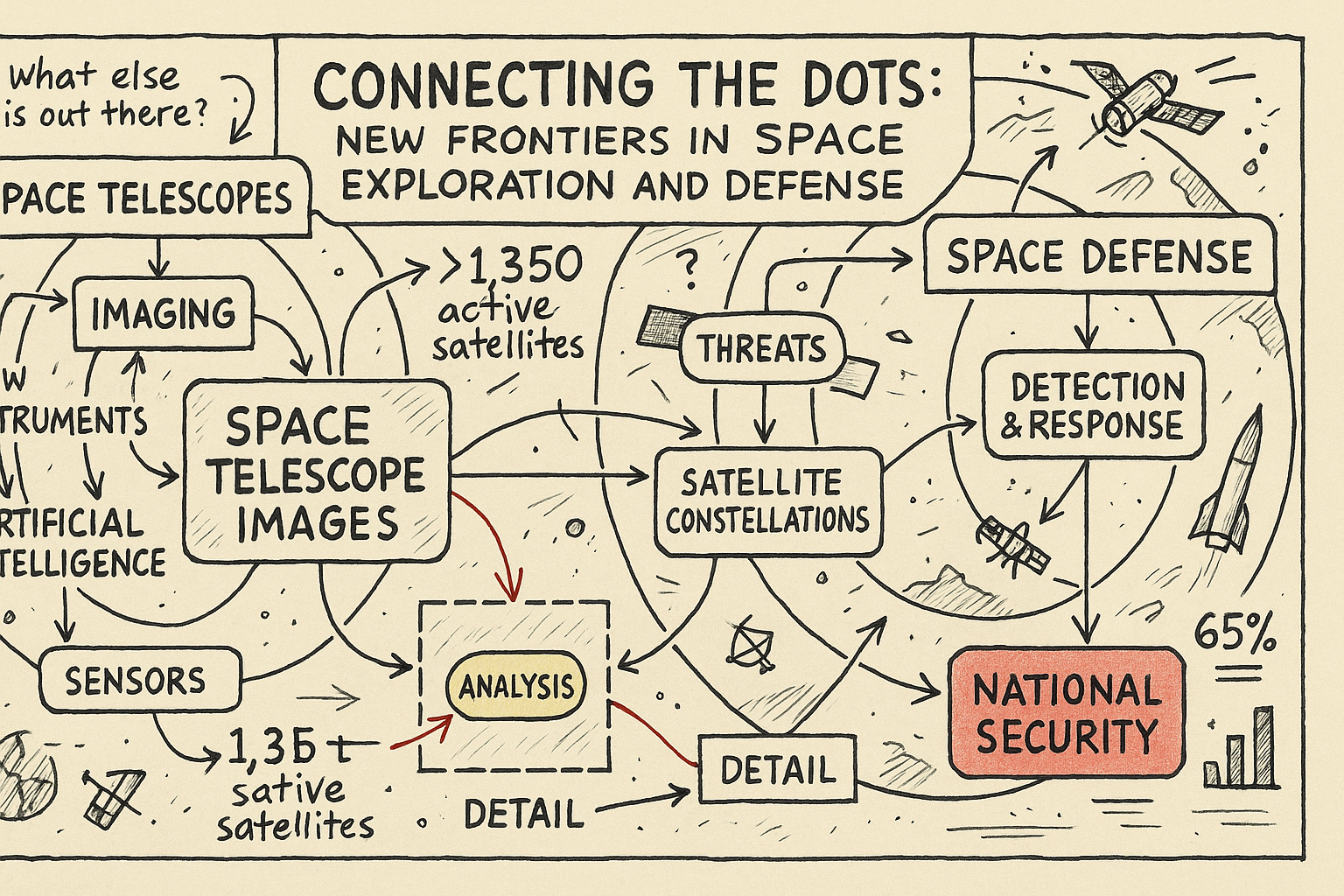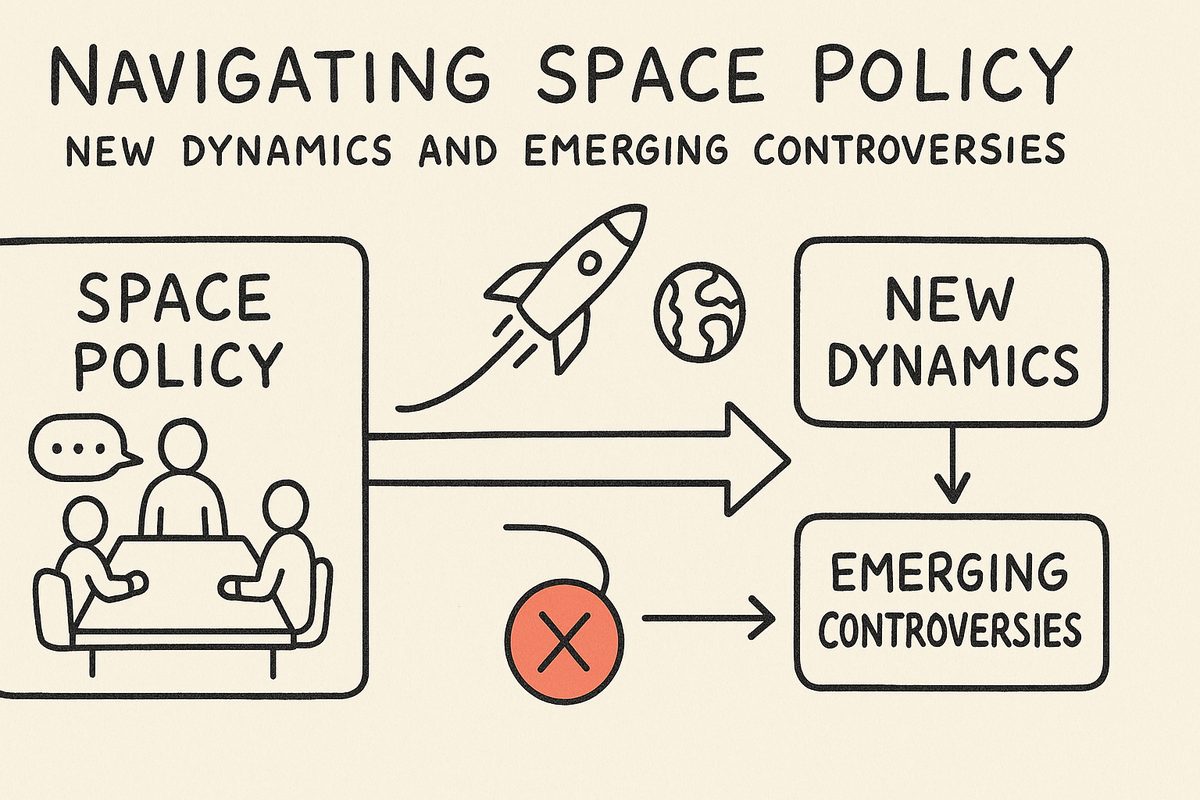
The realm of space policy is undergoing unprecedented transformations, marked by a confluence of technological advancements, geopolitical tensions, and strategic realignments. This intricate landscape is vividly illustrated by recent developments across various facets of aerospace and defense.
NASA's Commercial Space Strategy
NASA's decision to maintain its Commercial LEO Destinations (CLD) program unchanged signals a pivotal moment in space commercialization. The program, designed to ensure at least one commercial space station is ready to replace the International Space Station (ISS), has been a subject of debate within the industry. This decision underscores NASA's commitment to fostering a vibrant commercial space sector, emphasizing collaboration over unilateral adjustments. By aligning with industry sentiments, NASA is reinforcing trust and stability within the commercial space ecosystem.
The Cyber Force Imperative
On the defense front, the proposed $10 billion budget for a new US Cyber Force highlights the growing recognition of cyberspace as a strategic domain. As cyber threats proliferate, the Commission on US Cyber Force Generation's report outlines a vision for a military service dedicated to cyber operations. This initiative reflects a broader trend of militarizing cyber capabilities, underscoring the critical intersection of technology and national security. The allocation of substantial resources towards cyber defense indicates the increasing prioritization of digital infrastructure protection.
Geospatial Intelligence Revolution
Artificial Intelligence (AI) continues to redefine the landscape of geospatial intelligence. At the GEOINT 2026 conference, discussions centered on AI's transformative impact on space-based intelligence gathering. With enhanced data processing capabilities and improved explainability, AI is poised to revolutionize how intelligence agencies interpret geospatial data. This evolution not only enhances national security but also raises questions about the ethical implications of AI-driven surveillance technologies.
Global Tensions and Strategic Partnerships
International relations within the defense sector are also under strain, as exemplified by Malaysia's public criticism of Norway's cancelled missile sale. This diplomatic fallout highlights the fragility of international agreements and strategic partnerships. In an era where geopolitical alliances are increasingly volatile, such incidents underscore the complexities of global defense collaborations.
The Role of Industry in Technological Advancement
Meanwhile, the rise in demand for guided rockets in the Middle East, as reported by Thales, illustrates the dynamic nature of defense procurement. The escalation in production reflects regional security concerns and the essential role of defense contractors in meeting strategic needs. This trend emphasizes the symbiotic relationship between government policies and industrial capabilities.
Surprising Insights and Future Implications
One of the more surprising insights from these developments is the enduring reliance on traditional geopolitical structures despite technological advancements. While AI and cyber capabilities promise to reshape defense strategies, the fundamental issues of trust and partnership remain rooted in traditional diplomacy. Additionally, the juxtaposition of high-tech innovations with conventional military concerns reveals an ongoing balancing act between cutting-edge technology and established strategic frameworks.
Looking ahead, the integration of emerging technologies into space policy will likely demand new regulatory paradigms. As nations navigate this complex landscape, the challenge will be to harmonize technological advancements with geopolitical realities, ensuring that innovations serve the broader goals of security and cooperation. The evolution of space policy will hinge on the ability to adapt to new threats while maintaining the integrity of international partnerships.