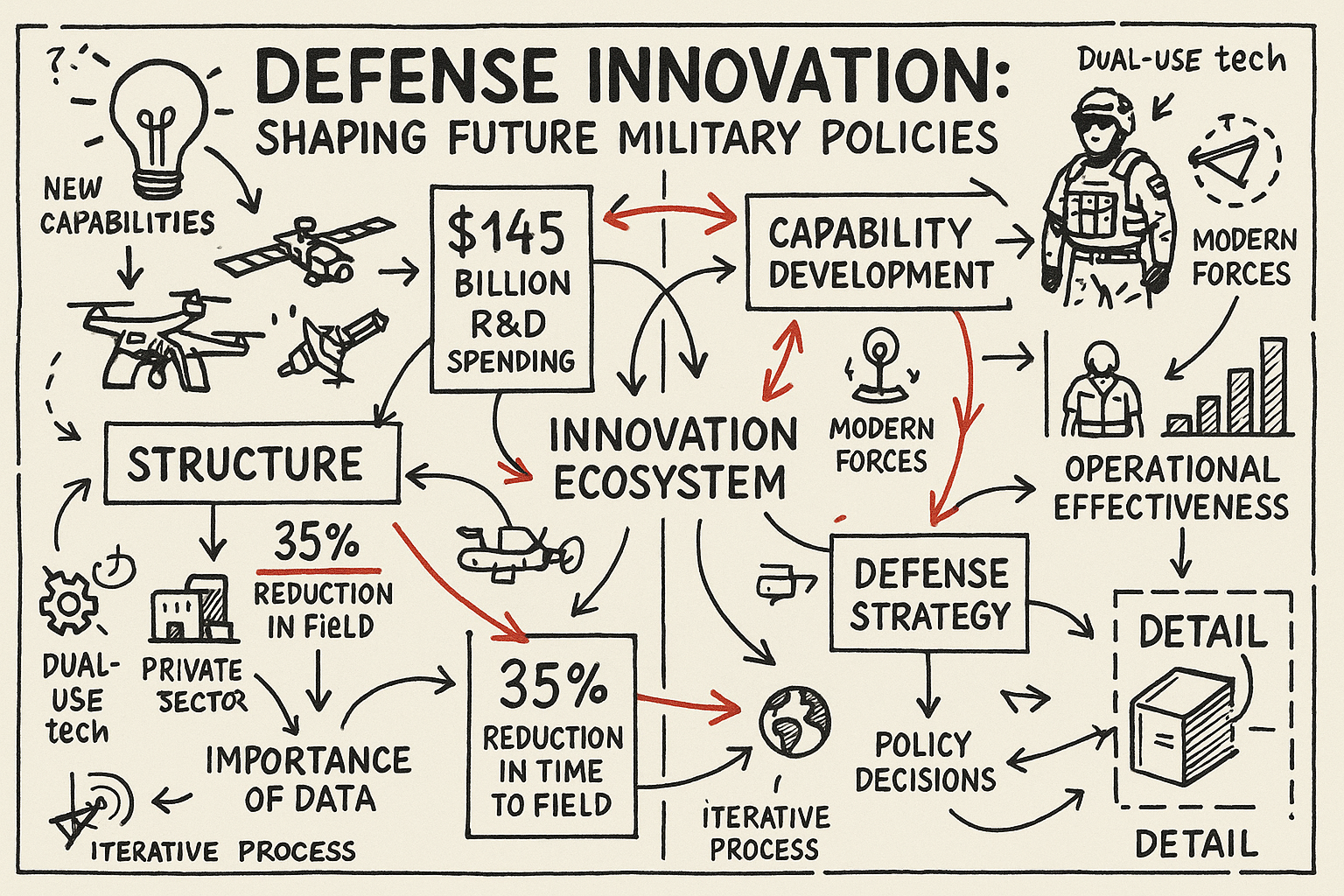
In an era where geopolitical tensions persistently challenge global stability, recent advancements in defense technology are reshaping military strategies and policies worldwide. The development and deployment of cutting-edge systems, from low-cost interceptors and autonomous launchers to integrated UAV ecosystems, reflect a transformative era in military capabilities, potentially altering the balance of power.
Revolutionizing Defense with Cost-Effective Solutions
Lockheed Martin and MBDA's recent rollout of cheaper Patriot systems and low-cost interceptors signals a significant shift towards more economically sustainable defense solutions. Historically, high costs have limited the deployment of sophisticated defense systems. By lowering financial barriers, these innovations enable broader access and deployment, enhancing defense capabilities for both developed and emerging nations.
Similarly, Destinus's new counter-rocket interceptor, slated for mass production by 2028, aims to protect critical military infrastructure. These advancements are poised to become pivotal components of national defense strategies, providing a robust shield against potential threats to command posts and logistics hubs.
Autonomous and High-Energy Technologies
The U.S. Army's CAML and E-HEL programs represent a leap towards autonomous and high-energy defense technologies. These programs, currently in final negotiations, are set to redefine how militaries engage with threats. Autonomous launchers and high-energy lasers offer rapid response capabilities, reducing human risk and increasing operational efficiency.
ASELSAN's integration of advanced UAV payloads further emphasizes the strategic shift towards unmanned systems. These technologies, which include electro-optics and precision-guided munitions, enhance the effectiveness of next-generation platforms, proving indispensable in modern warfare scenarios.
Strengthening Defense Alliances
The collaboration between GA-ASI and European companies for the production of Gambit aircraft underscores the importance of international cooperation in defense. By building these airframes in Europe, the partnership not only strengthens transatlantic ties but also enhances regional defense capabilities. This initiative aligns with broader European defense goals, fostering a more integrated and responsive security framework.
Meanwhile, Lockheed and RTX's discussions on Ukraine Patriot production exemplify strategic alignment with U.S. government policies, geared towards bolstering Ukraine's defense amid ongoing regional conflicts. These early talks highlight the adaptive nature of defense policies in response to evolving geopolitical landscapes.
Emerging Players and New Threats
The agreement between Embraer and Anduril to incorporate Barracuda missiles on the C-390 aircraft highlights the growing role of emerging players in the defense sector. This partnership, although still in its nascent stages, has the potential to diversify and enhance existing military capabilities.
Additionally, the collaboration between Auterion and Ukrainian drone-maker Skyfall to supply 50,000 FPVs illustrates the increasing reliance on drone technology for tactical advantages. These drones, capable of neutralizing high-value targets, demonstrate the shift towards more versatile and adaptive warfare methods.
Implications for Future Military Policies
The integration of these technologies into military arsenals is expected to influence global defense policies profoundly. Nations may pivot towards adopting more flexible and cost-effective solutions, prioritizing technology over traditional manpower-intensive methods. As these innovations become more widespread, they could redefine the principles of deterrence, engagement, and defense diplomacy.
Moreover, the increasing focus on international collaborations suggests a future where defense policies are more interconnected, with nations collectively enhancing their capabilities to address shared threats. This collaborative spirit may also extend to regulatory frameworks, ensuring ethical and responsible use of advanced technologies in warfare.