The intersection of policy and law in the realms of space and defense has become increasingly complex and intertwined. Recent developments highlight the nuanced dance between technological advancement, national security, and international relations. As we delve into these events, it becomes clear that the lines between the defense and space sectors are blurring, creating both opportunities and challenges.
Modernizing Defense with Technology
Recent advancements, such as the delivery of next-generation Javelin launchers by Raytheon and Lockheed Martin to the U.S. Army, underscore the pivotal role of cutting-edge technology in modern defense strategies. These launchers, equipped with state-of-the-art infrared camera technology, offer enhanced target detection capabilities while being more compact and efficient. This reflects a broader trend in defense policy emphasizing agility and precision over sheer firepower.
Space as the New Frontier
SpaceX's recent $2.29 billion contract to enhance the Space Force's low Earth orbit (LEO) communications backbone exemplifies the strategic importance of space in contemporary defense policy. The endeavor aims to bolster the Space Data Network, which integrates Transport layer satellites, thereby reinforcing the infrastructure essential for national security. This initiative illustrates how space is becoming a critical domain for military operations, akin to land, sea, and air.
International Dynamics and Space Exploration
China's Shenzhou-21 mission, which saw its crew return to Earth after an extended stay on the Tiangong space station, is a testament to the country's growing capabilities in space exploration. The mission's success not only advances China's space ambitions but also impacts global space policy dynamics, challenging other nations to rethink their strategies.
Security and Governance Challenges
While technological advancements offer new capabilities, they also introduce significant security risks, as highlighted by NASA's scrutiny of elevated privileges for information systems. Effective management of IT privileges is crucial for safeguarding sensitive data and maintaining operational integrity. This underscores the broader challenge of securing technological infrastructure against potential threats, a concern that reverberates across both civilian and military domains.
Global Defense Postures and Procurement Policies
Sweden's decision to procure French FDI frigates reflects shifting defense postures amid growing regional tensions. With increased production of ballistic missiles by Russia, as noted by Sweden's defense minister, nations are reevaluating their defense strategies to enhance air defense capabilities. Similarly, the U.S. Office of Management and Budget's potential use of reconciliation funds to procure foreign-made ships points to pragmatic approaches in defense procurement, balancing domestic production with international collaboration.
Funding and Political Will
Congressional concerns over funding a new nuclear cruise missile highlight ongoing debates about defense spending priorities. The allocation of resources reflects not only military needs but also broader political will, which can shift based on domestic and international pressures. As nations grapple with these decisions, the implications extend beyond immediate security concerns to influence global power dynamics.
Future Implications and Strategic Considerations
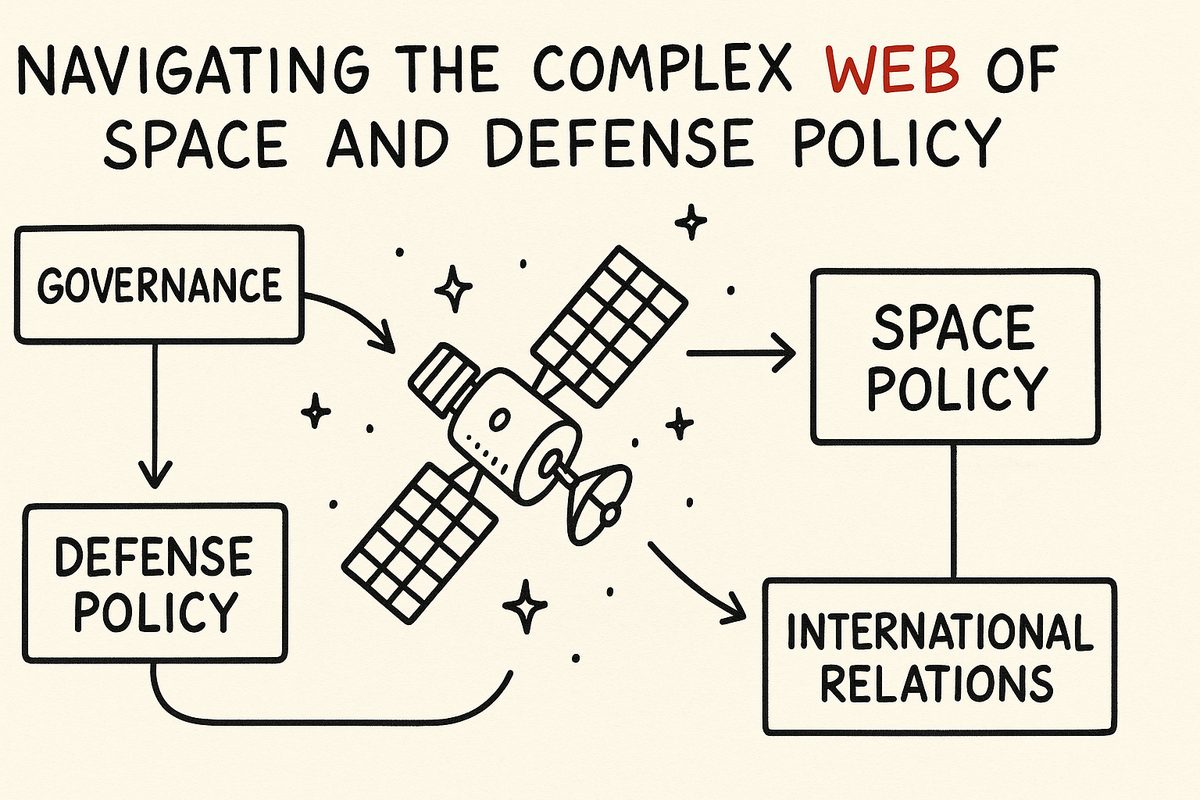
The convergence of space and defense policies presents both opportunities and challenges. As nations invest in advanced technologies and space infrastructure, the need for comprehensive governance frameworks becomes increasingly urgent. Balancing technological innovation with security, national interests, and international cooperation will be crucial in navigating this evolving landscape.