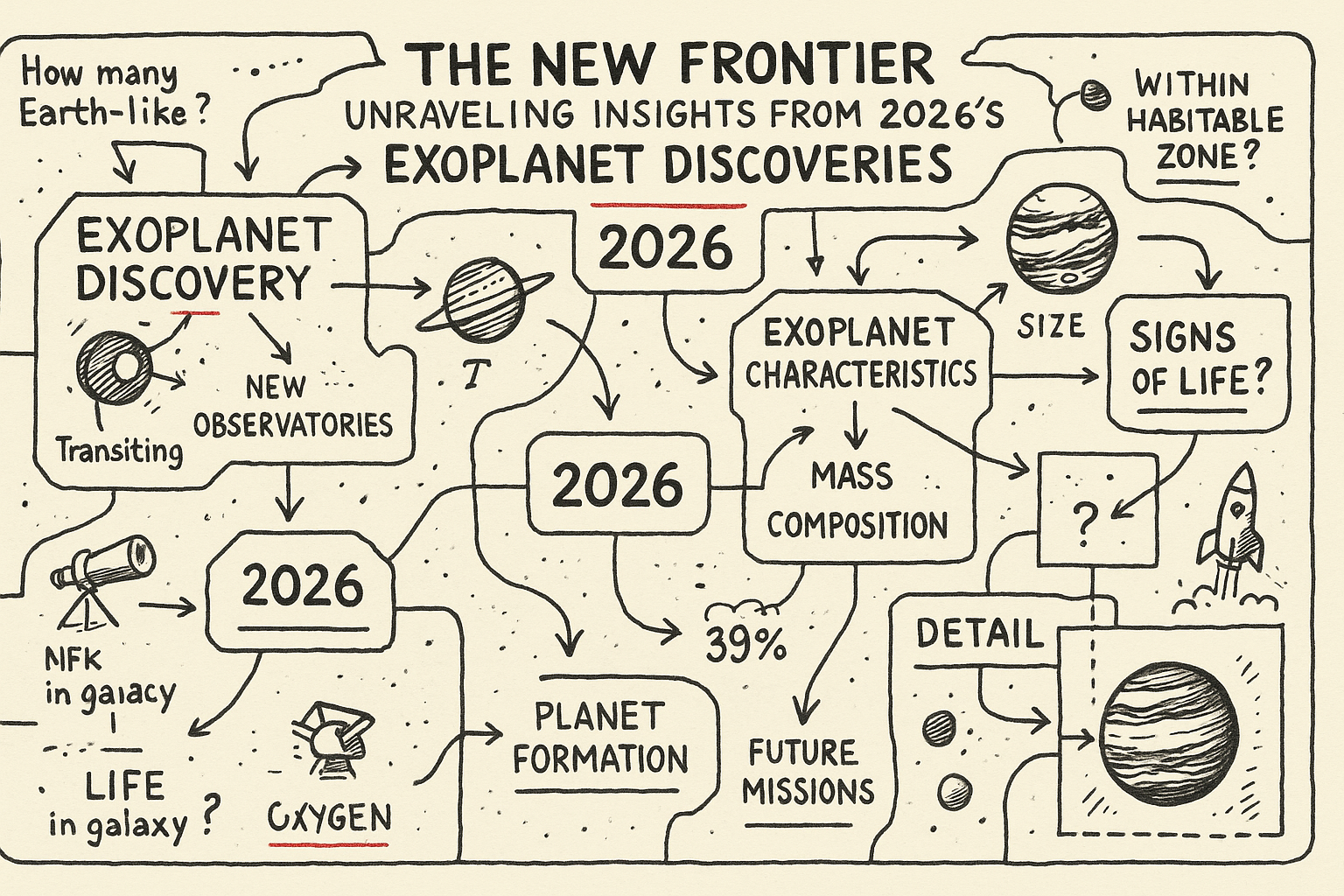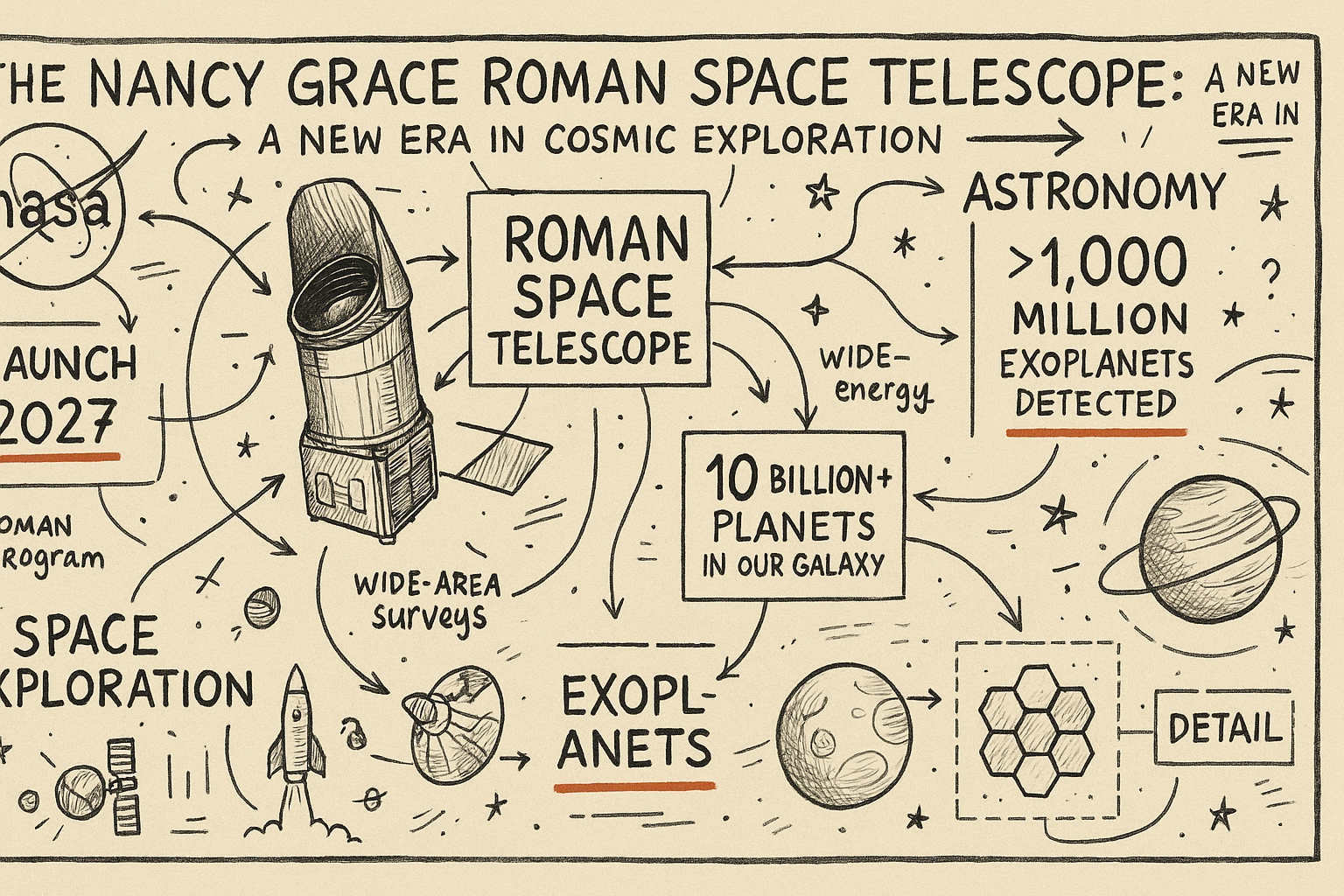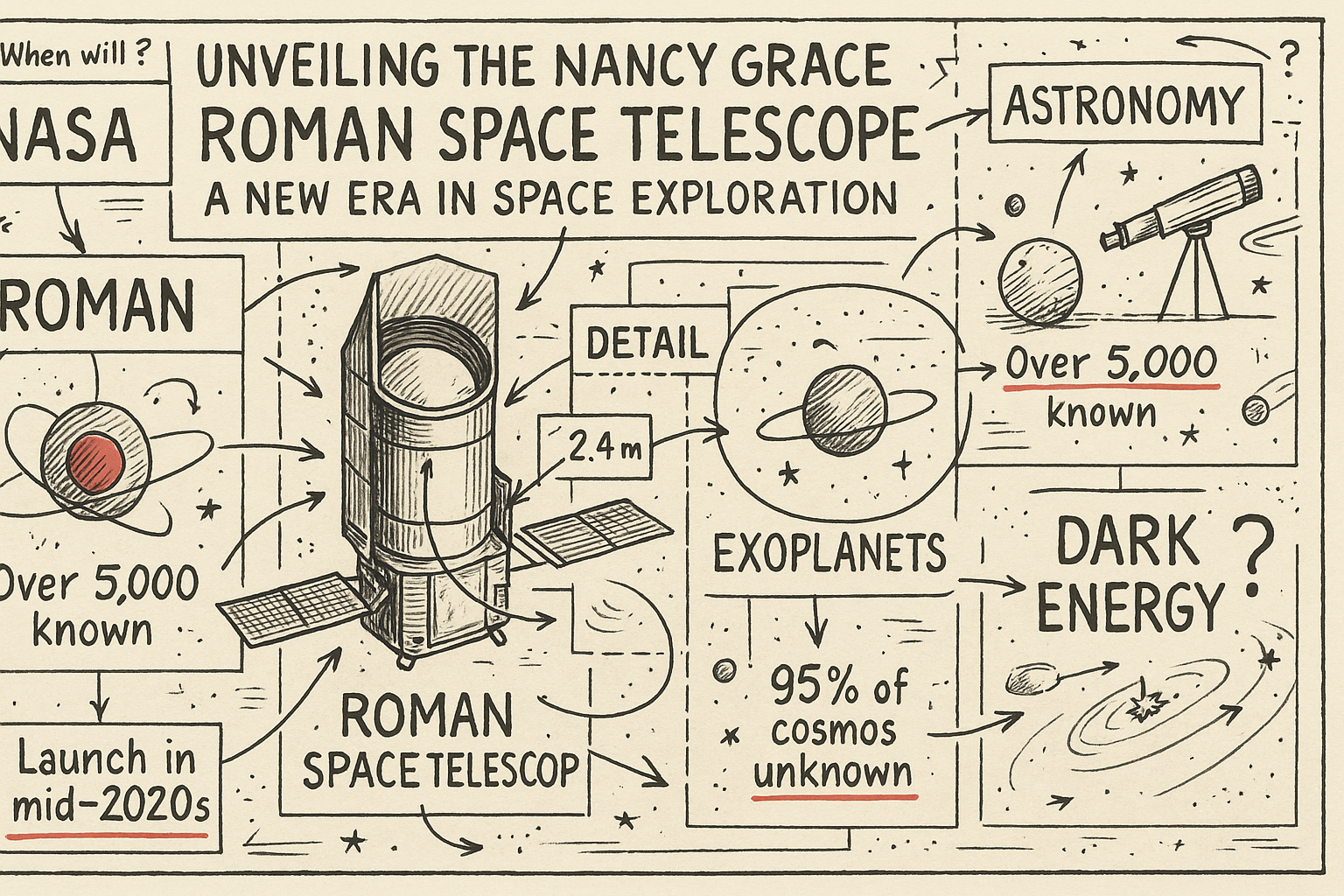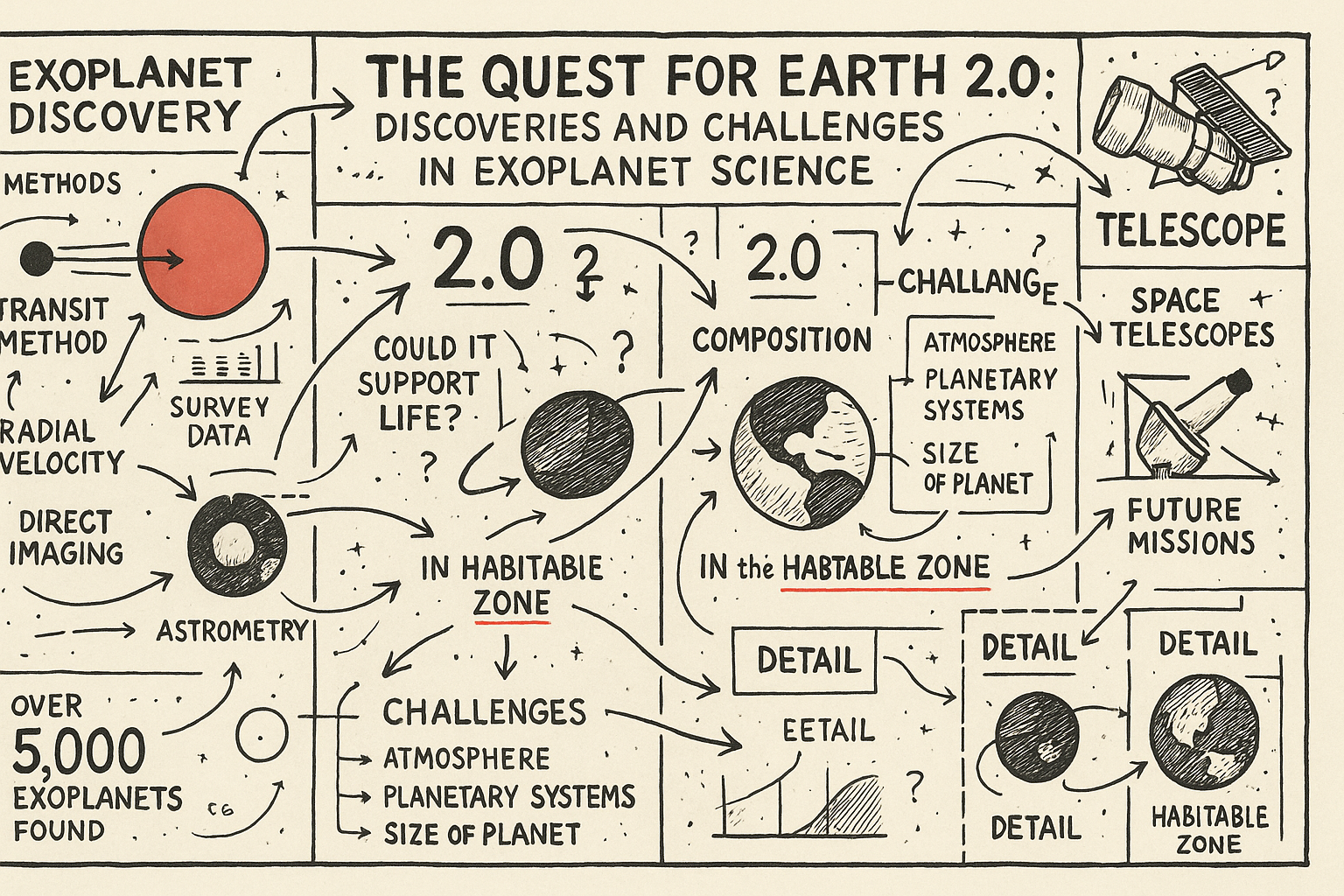
The hunt for Earth 2.0 is one of the most compelling quests in modern astronomy. As we expand our cosmic horizons, the search for a planet that mirrors our own in size, composition, and habitability is a tantalizing goal that continues to captivate scientists and the public alike. However, this pursuit is fraught with challenges and complexities that extend beyond merely spotting distant worlds.
The Challenge of Binary Systems
A significant hurdle in locating Earth-like exoplanets is the prevalence of binary star systems. Approximately half of all Sun-like stars are part of such systems, complicating the gravitational dynamics necessary for stable, life-supporting orbits. This cosmic geography makes the detection of Earth-mass planets in these systems particularly elusive (Source 1).
The Role of Technology in Exoplanet Discovery
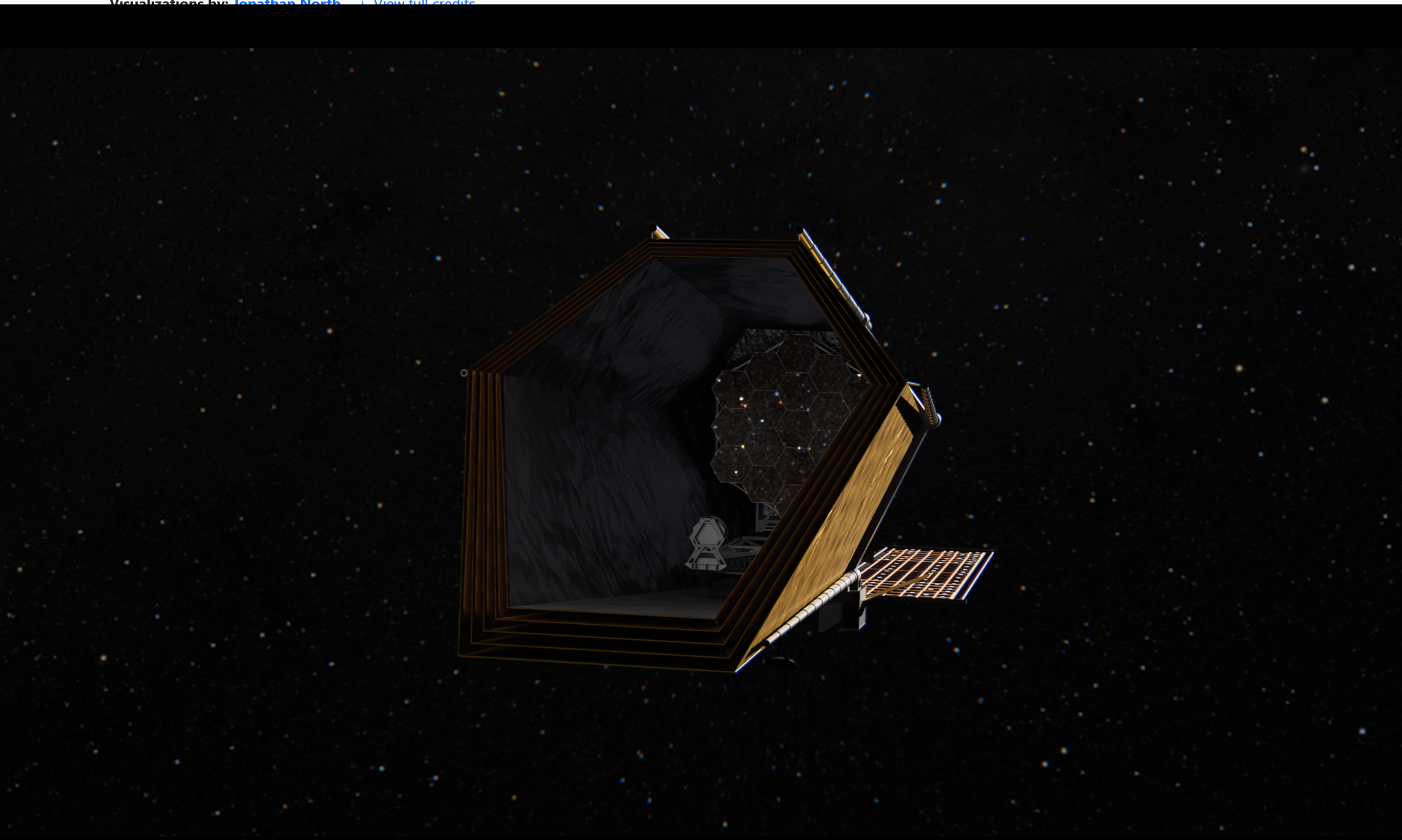
Technological advancements are pivotal in overcoming these challenges. Instruments like NASA's Starshade propose innovative solutions to directly image rocky exoworlds, potentially providing the first visual confirmation of Earth-like planets outside our solar system (Source 3). Meanwhile, the development of the Habitable Worlds Observatory aims to directly capture images of exoplanets within habitable zones, although it faces significant engineering challenges, such as constructing a picometer-stable mirror (Source 4).
Elusive Technosignatures and Dyson Spheres
Parallel to these efforts is the search for technosignatures—indicators of advanced civilizations. Despite the allure of concepts like Dyson Spheres, recent investigations using the James Webb Space Telescope have yet to identify any promising candidates (Source 2). This highlights the complexity of distinguishing natural from artificial signals in the cosmos.
Atmospheric Mysteries and Extreme Worlds
Understanding the atmospheric retention of exoplanets presents another layer of complexity. Recent studies have unveiled why some lava-covered exoplanets can sustain atmospheres over billions of years, despite intense stellar radiation that should otherwise strip them away (Source 6). These findings suggest that planetary atmospheres are more resilient than previously thought, with mechanisms that may inform our understanding of atmospheric dynamics on Earth.
Surprising Discoveries and Future Directions
Intriguingly, the discovery of a Saturn-sized exoplanet with Earth-like temperatures challenges our assumptions about suitable habitats for life (Source 7). While its composition is vastly different from Earth's, its temperate climate opens new possibilities for habitability criteria.
Moreover, the recent identification of a 'mega-Earth'—a rocky planet 23 times more massive than our own—further complicates our understanding of planet formation and the diversity of planetary types (Source 8). Such discoveries prompt a reevaluation of the characteristics that define Earth-like worlds.
The Future of Exoplanet Exploration
As we continue to refine our techniques and technologies, the pursuit of Earth 2.0 is likely to yield transformative insights into not only the universe but also our place within it. While the ultimate discovery of a truly Earth-like planet remains elusive, the journey itself is poised to expand our knowledge of planetary science and the potential for life beyond our solar system.
In conclusion, while the search for Earth 2.0 is daunting, it is a testament to human curiosity and ingenuity. Each development brings us closer to answering profound questions about the universe and our existence within it.