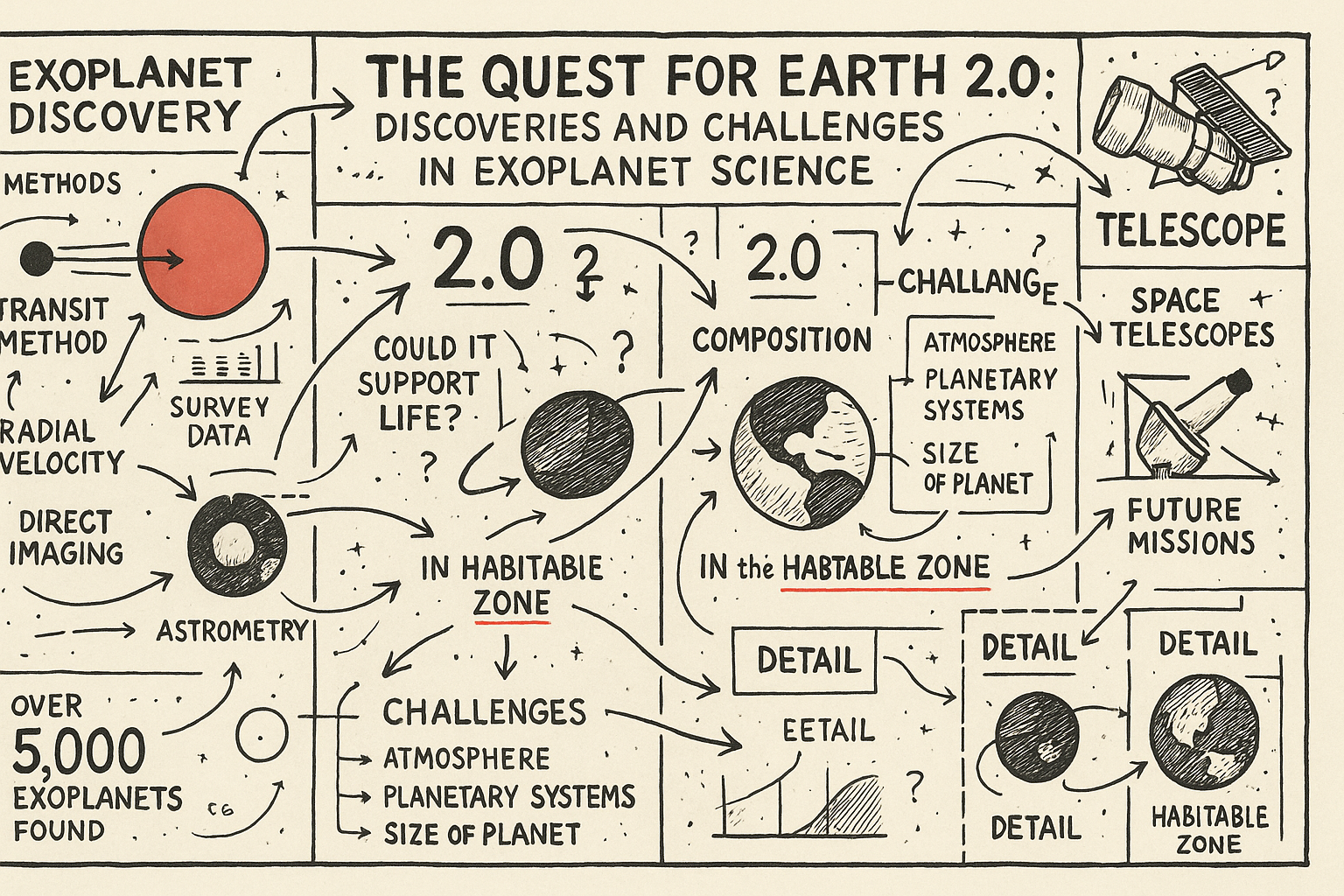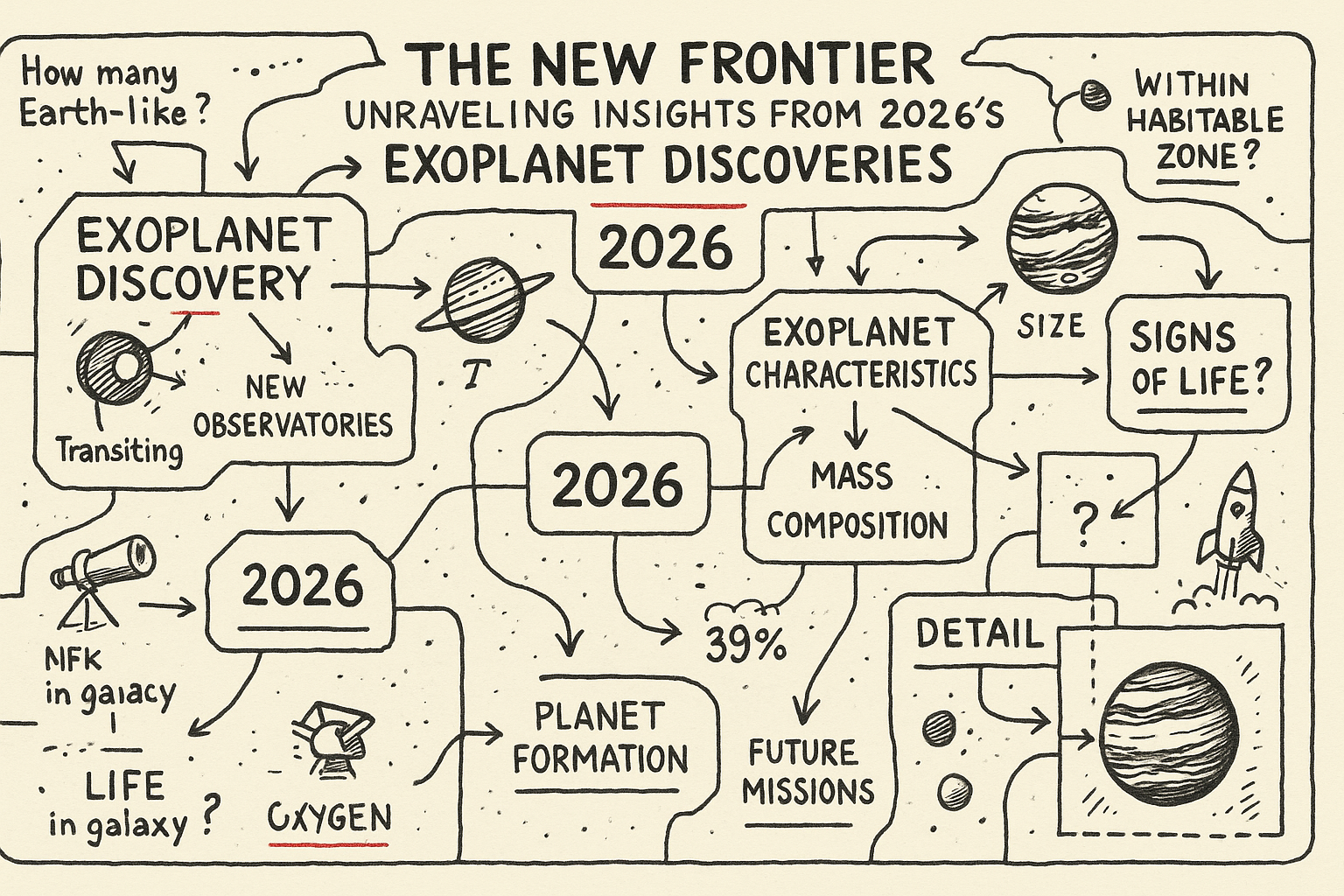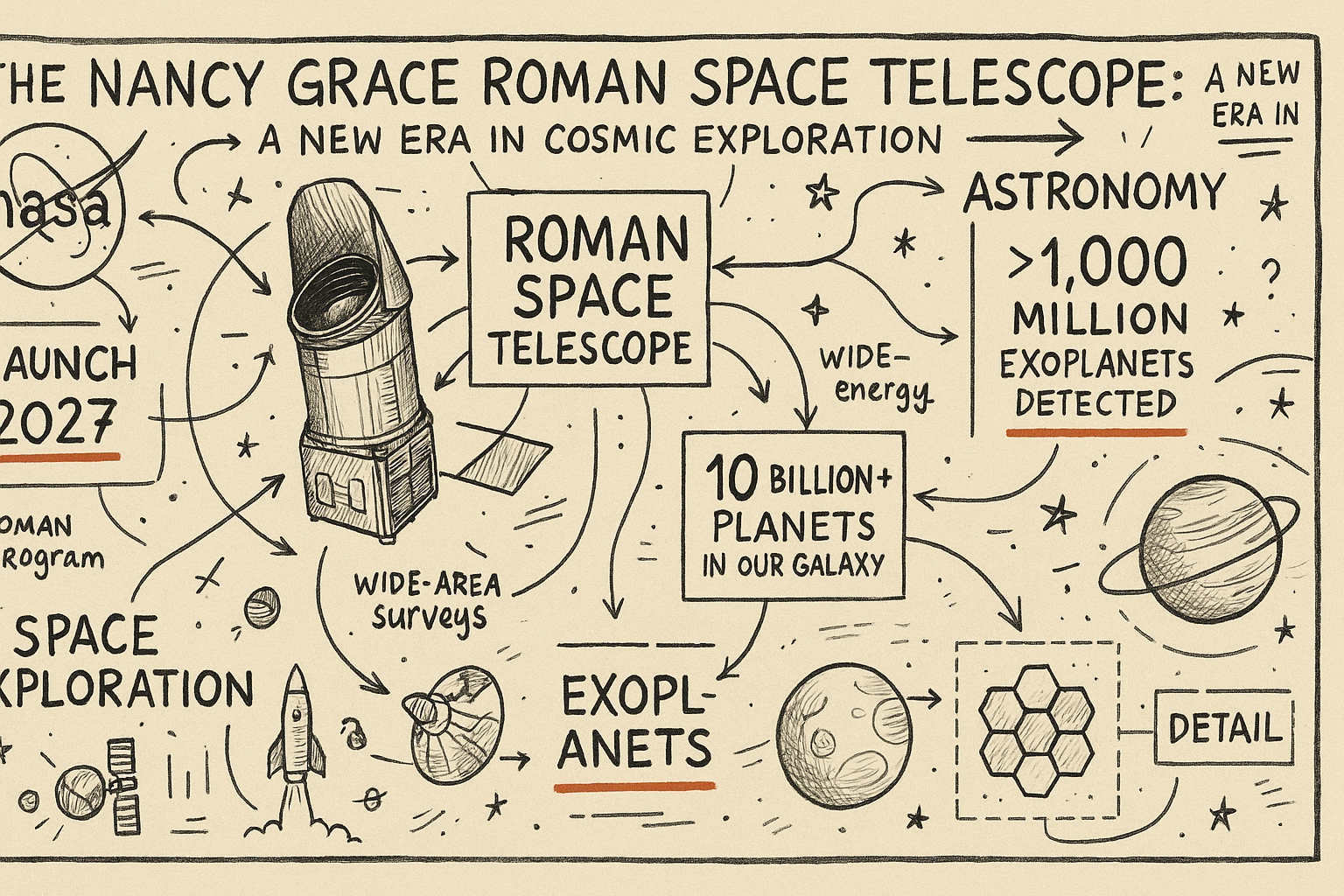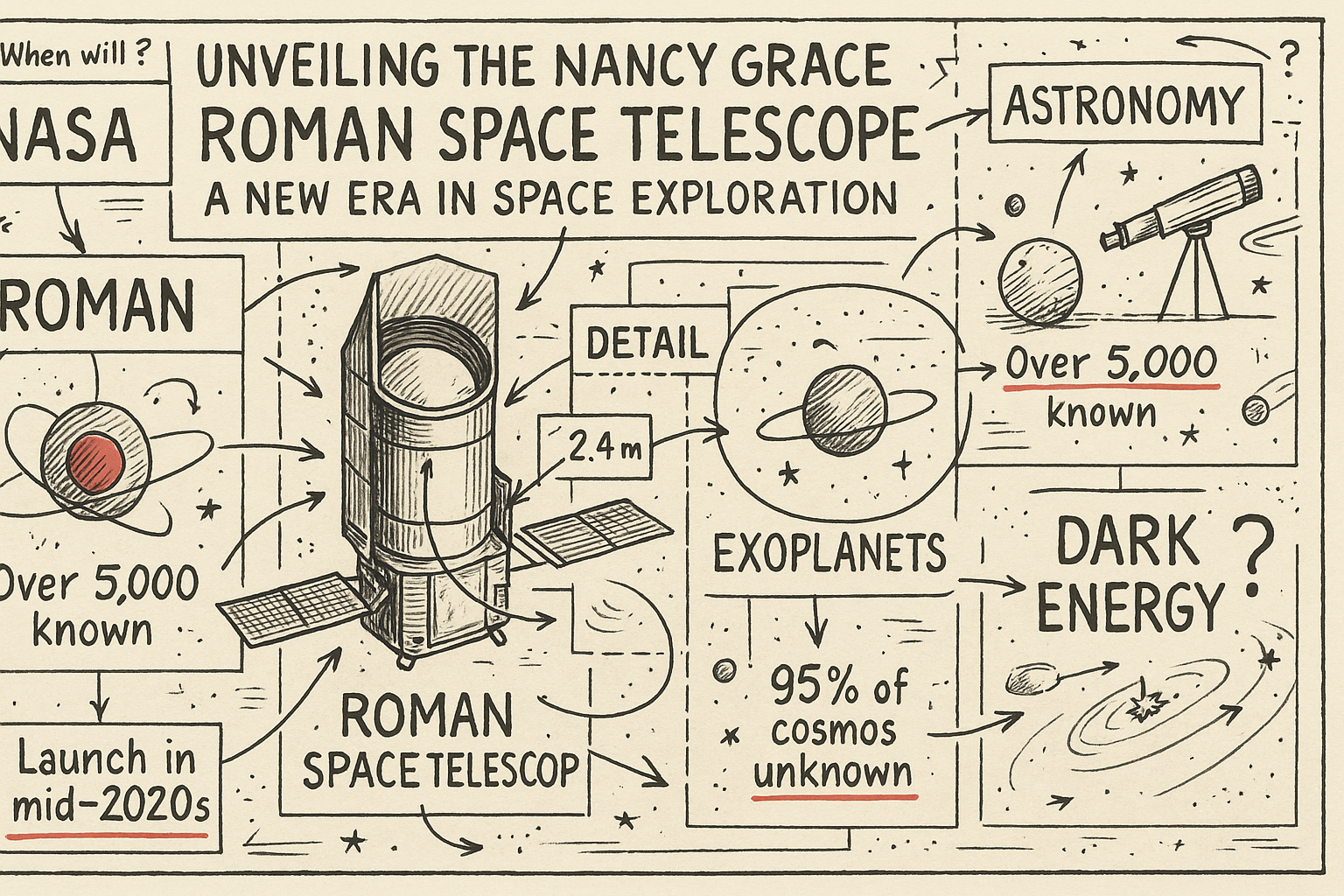
The search for extraterrestrial life has taken a significant leap forward with the development of new technologies designed to aid future space telescopes in identifying potentially habitable exoplanets. Researchers at the Center for Research and Education in Optics and Lasers (CREOL) at the University of Central Florida (UCF) are at the forefront of these advancements, working in collaboration with institutions such as UC Santa Cruz, the University of Sydney, and the Space Telescope Science Institute (STScI).
Their efforts are part of a NASA-funded project known as the Photonics-Enabled Exoplanet Spectroscopic System (PEEPSS), a three-year initiative aimed at developing and testing prototype systems capable of directly observing planets that are often obscured by the overwhelming brightness of their parent stars. This challenge is particularly daunting, as light reflected from a planet's atmosphere and surface can be millions of times dimmer than the starlight that engulfs it.
As Professor Stephen Eikenberry, the principal investigator of PEEPSS at UCF, explains, "If they’re in the habitable zone, that means they are orbiting close to their host star, and that host star is typically going to be 10 billion times brighter than the planet. And you can say, ‘Well, that’s only a part in a million.' Guess what? A part in a million means it’s still 10,000 times brighter than your exoplanet. You’re doomed."
To counter this formidable challenge, astronomers employ coronagraphs, specialized instruments that block a star's glare, allowing the faint light reflected by exoplanets to reach a telescope's detectors. However, even microscopic imperfections in a telescope's optics can result in significant starlight leakage, potentially contaminating the signals from exoplanets. The PEEPSS technology addresses this issue by utilizing an advanced form of wavefront sensing that corrects incoming distortions, ensuring a clearer signal.
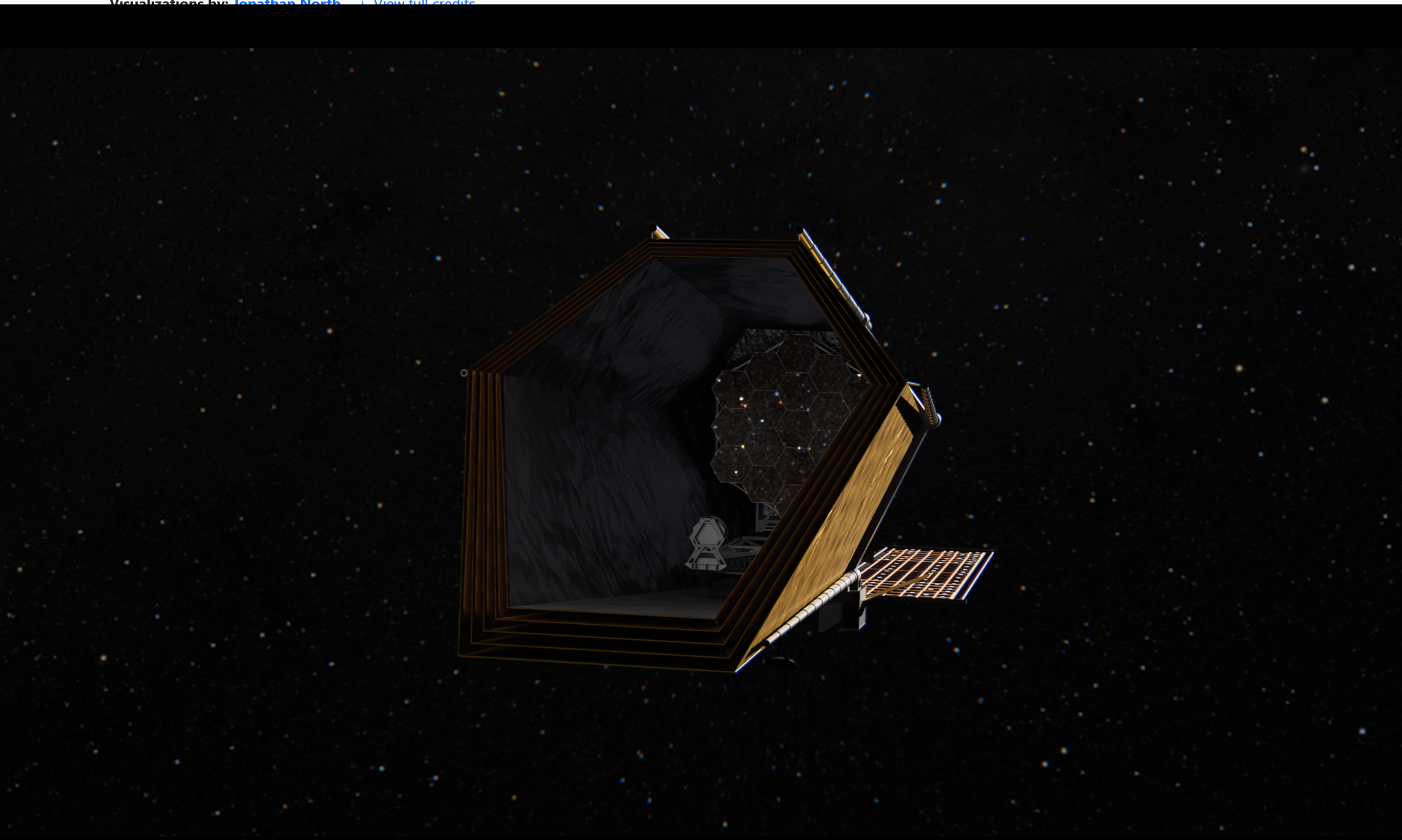
One of the groundbreaking tools developed under this project is the photonic lantern, a device that separates incoming light into individual fibers, allowing for more precise measurements and control of the wavefront. This technology is crucial for the success of NASA's future Habitable Worlds Observatory (HWO), set to launch in the 2040s. The HWO will be the first space observatory specifically designed to search for rocky planets within the habitable zones of their stars and to characterize their atmospheres.
The implications of these technological advancements are vast. With the ability to directly observe and analyze the atmospheres of distant exoplanets, scientists can better assess their potential habitability. This includes identifying key atmospheric components such as water vapor, carbon monoxide, and methane—elements that were instrumental in the recent discovery of a hidden planet in the Beta Pictoris system by the James Webb Space Telescope.
This discovery, along with the work being done by UCF and its collaborators, underscores the potential of photonics and advanced optics in revolutionizing our understanding of distant worlds. As we continue to develop and refine these tools, the dream of finding another Earth-like planet becomes increasingly attainable.
Looking to the future, the success of these technologies could pave the way for even more ambitious missions, potentially providing the means to detect biosignatures or other signs of life beyond our solar system. As humanity stands on the brink of potentially groundbreaking discoveries, the collaboration between institutions like UCF and NASA highlights the importance of international cooperation in the pursuit of knowledge and exploration.