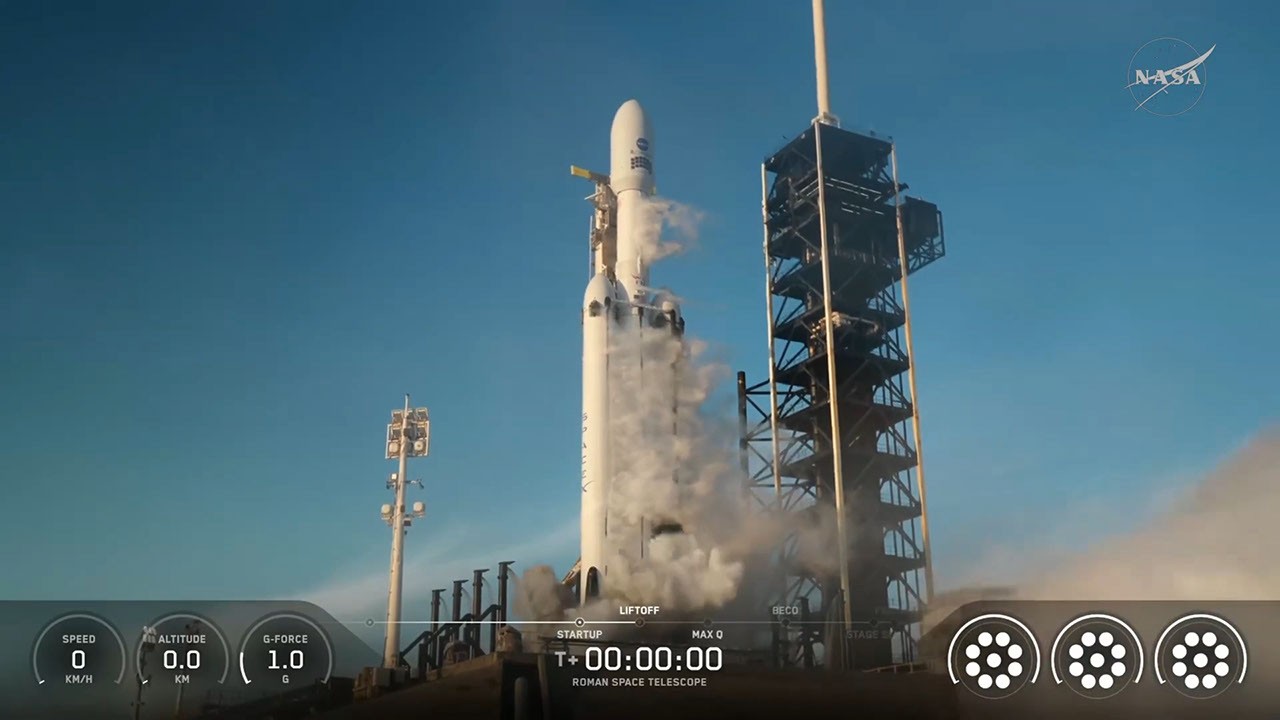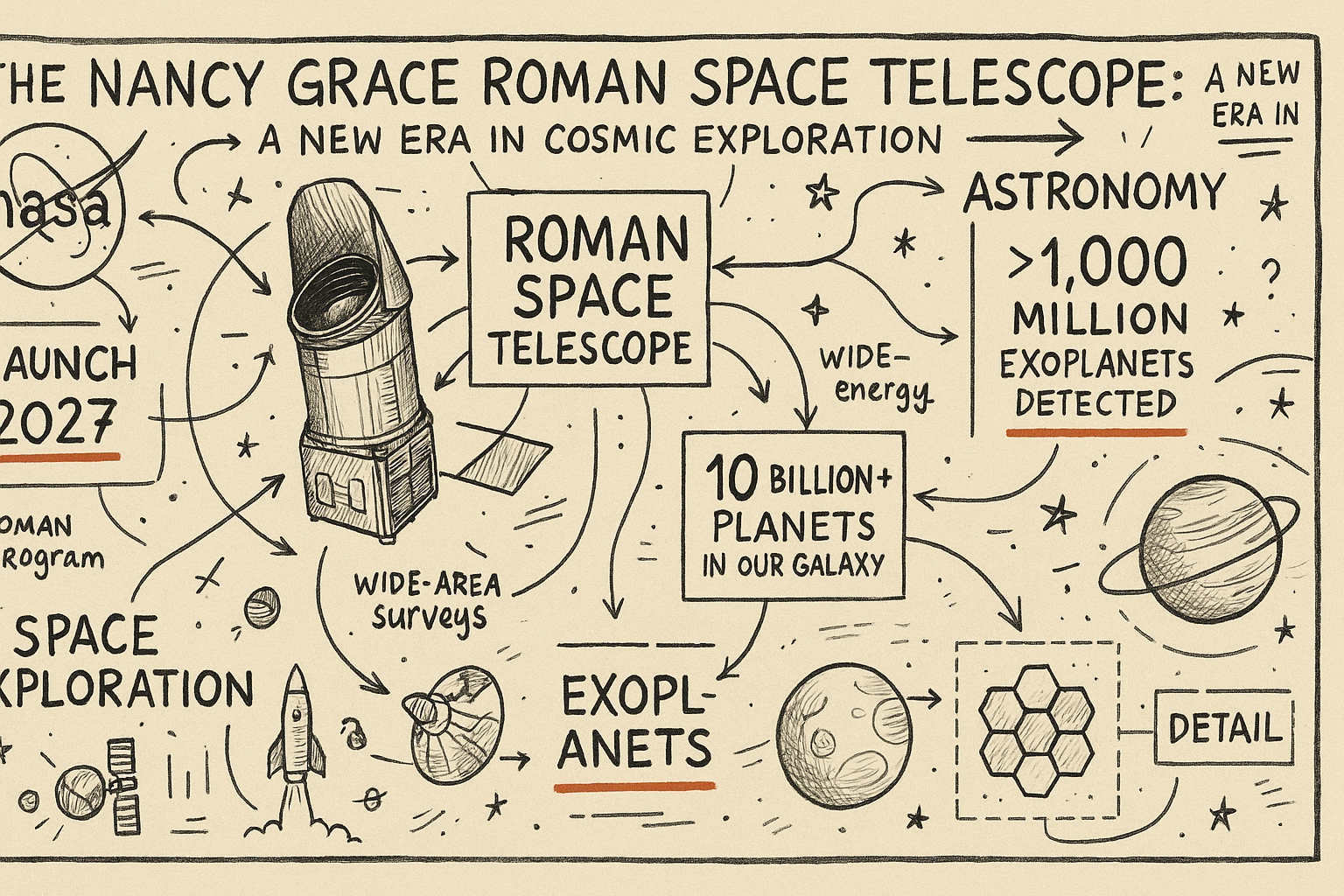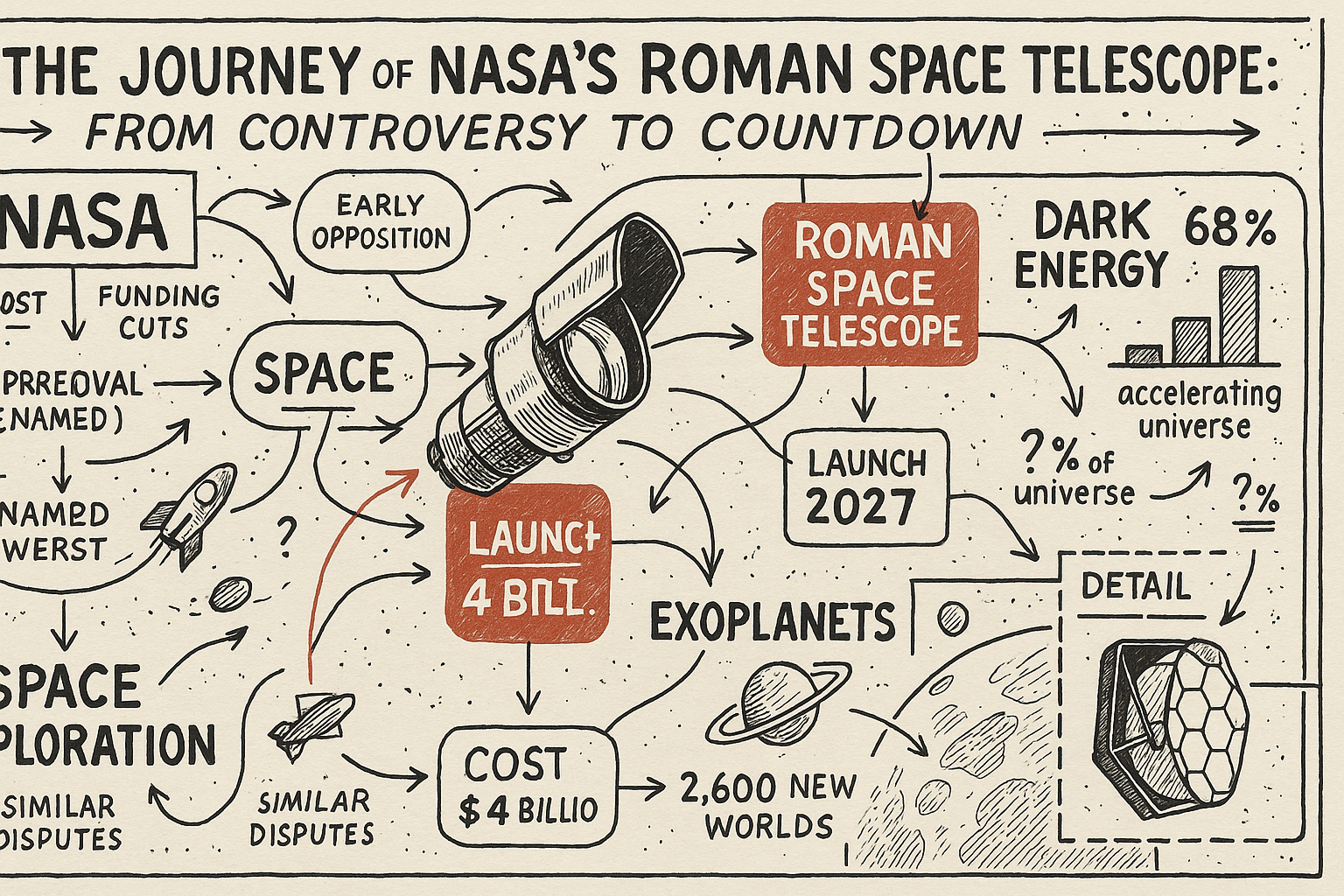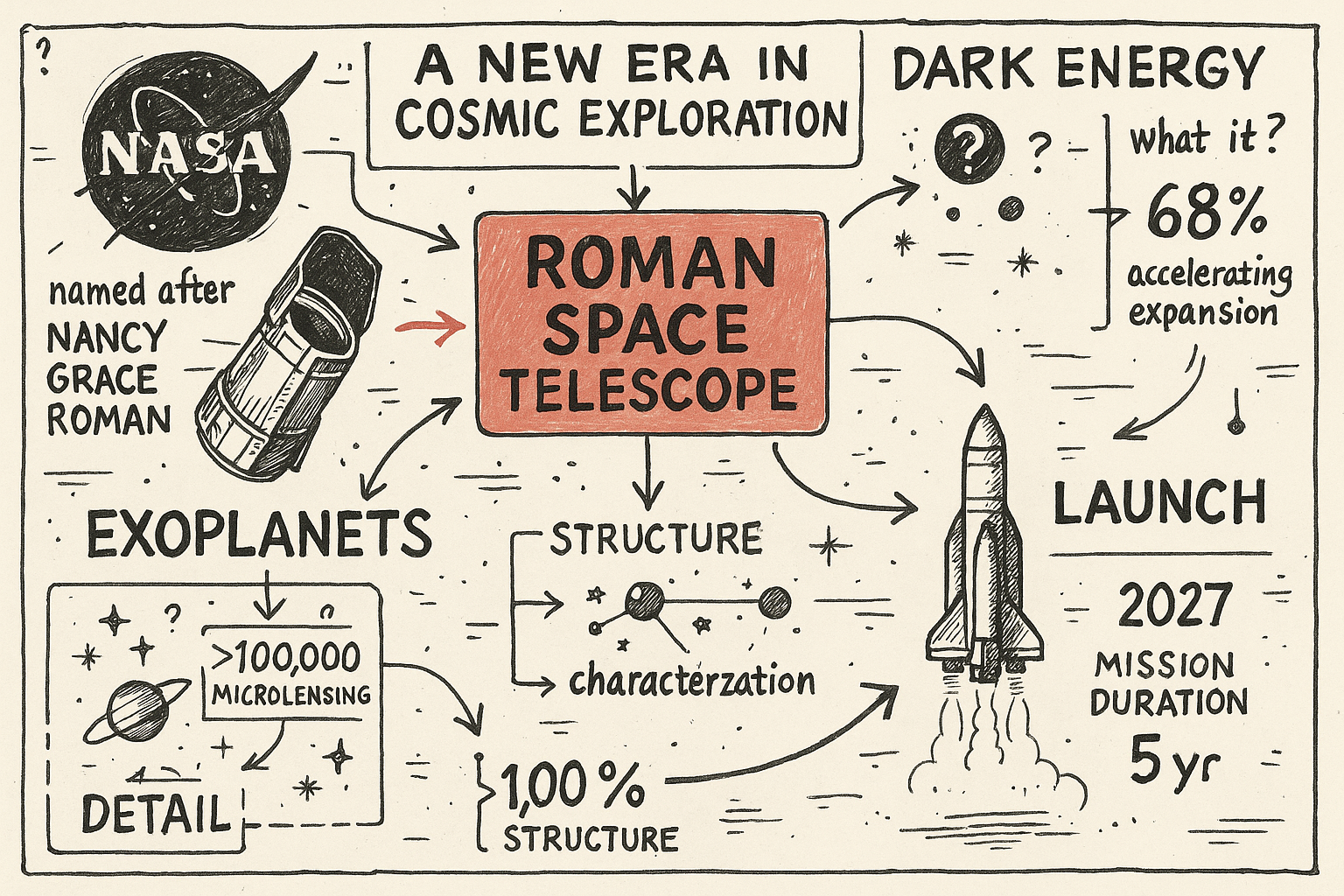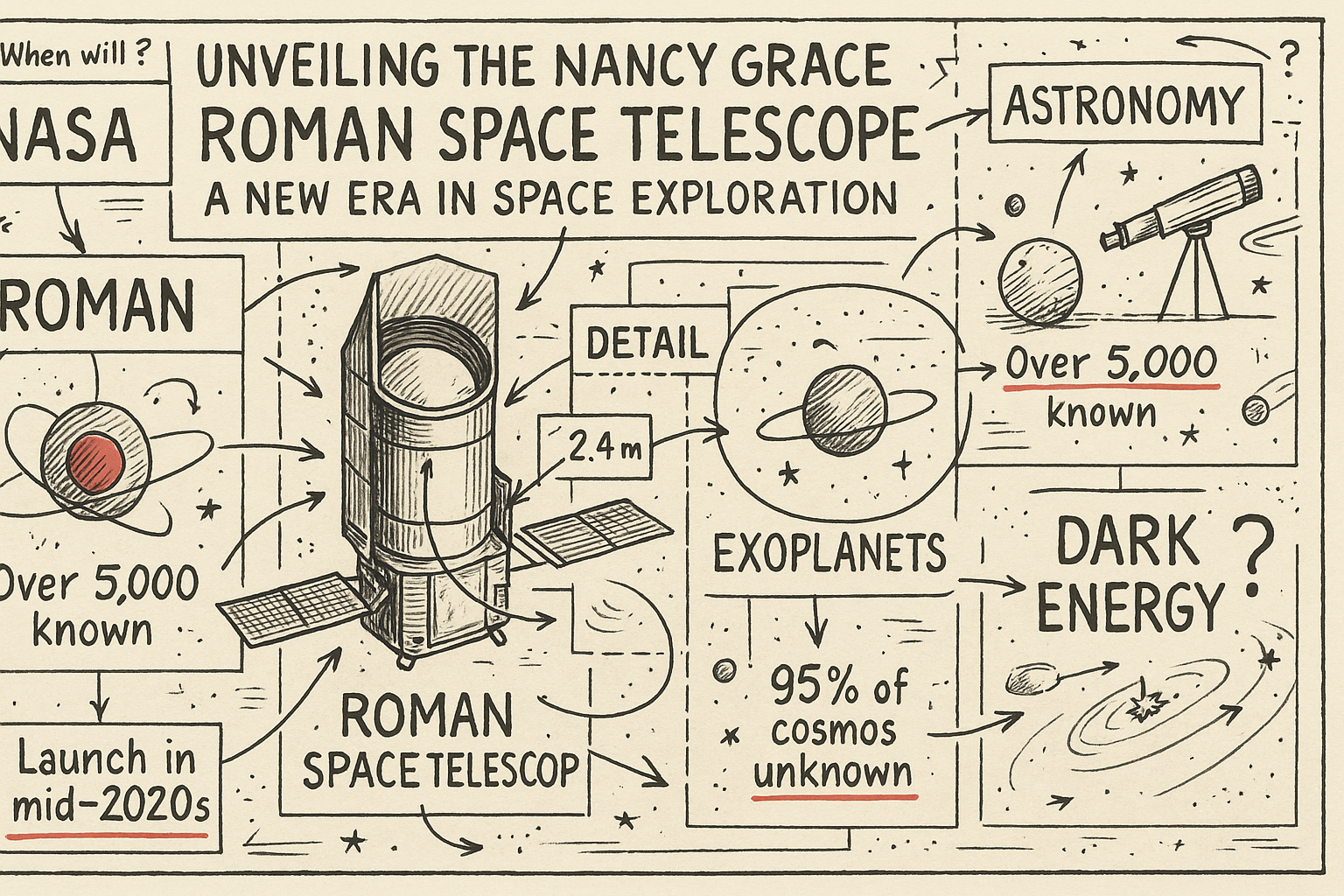
The Nancy Grace Roman Space Telescope, NASA's next-generation observatory, is set to launch on August 30, 2026, from the Kennedy Space Center in Florida. This ambitious mission promises to expand our understanding of the universe, focusing on dark energy, dark matter, and exoplanets.
Advanced Capabilities and Design
The Roman Space Telescope is equipped with a wide field of view and an advanced optical design, enabling it to conduct detailed scans of the sky in visible to near-infrared light. This capability will allow scientists to explore the mysteries of dark energy and dark matter, which constitute a significant portion of the universe's mass-energy content.
In addition to its primary mission, the telescope is designed to discover new exoplanets. Its wide field of view will enable the detection of planets beyond our solar system, potentially identifying worlds that could harbor life.
International Collaboration
The European Space Agency (ESA) plays a crucial role in the Roman Space Telescope mission. ESA contributes essential hardware, including star trackers, batteries, and detectors for the coronagraph instrument. Furthermore, ESA provides communications support through its deep-space ground station network, ensuring the mission's success.
ESA's involvement is part of the Mission of Opportunity programme, which allows European scientists to contribute their expertise and maximize the scientific return of the mission.
Preparations and Coverage
Preparations for the launch are in full swing, with NASA setting up coverage plans for prelaunch and launch activities. The telescope's components have been meticulously assembled and tested at various NASA facilities, including the Goddard Space Flight Center in Maryland and the Jet Propulsion Laboratory in Southern California.
As the launch date approaches, NASA's Ames Research Center in California's Silicon Valley is actively engaging with the media to provide insights into the telescope's capabilities and mission objectives. This outreach aims to generate public interest and support for this groundbreaking mission.
The Nancy Grace Roman Space Telescope represents a significant leap forward in our quest to understand the universe. With its cutting-edge technology and international collaboration, it is poised to make groundbreaking discoveries that could reshape our understanding of the cosmos.