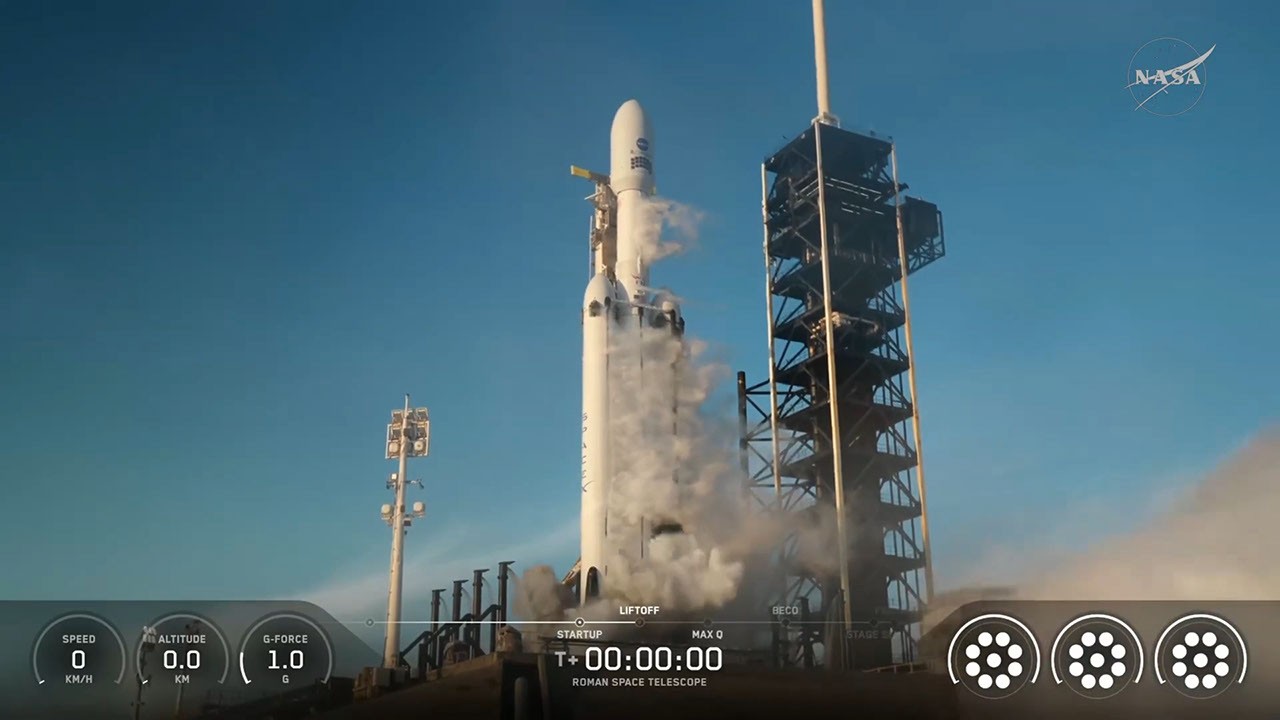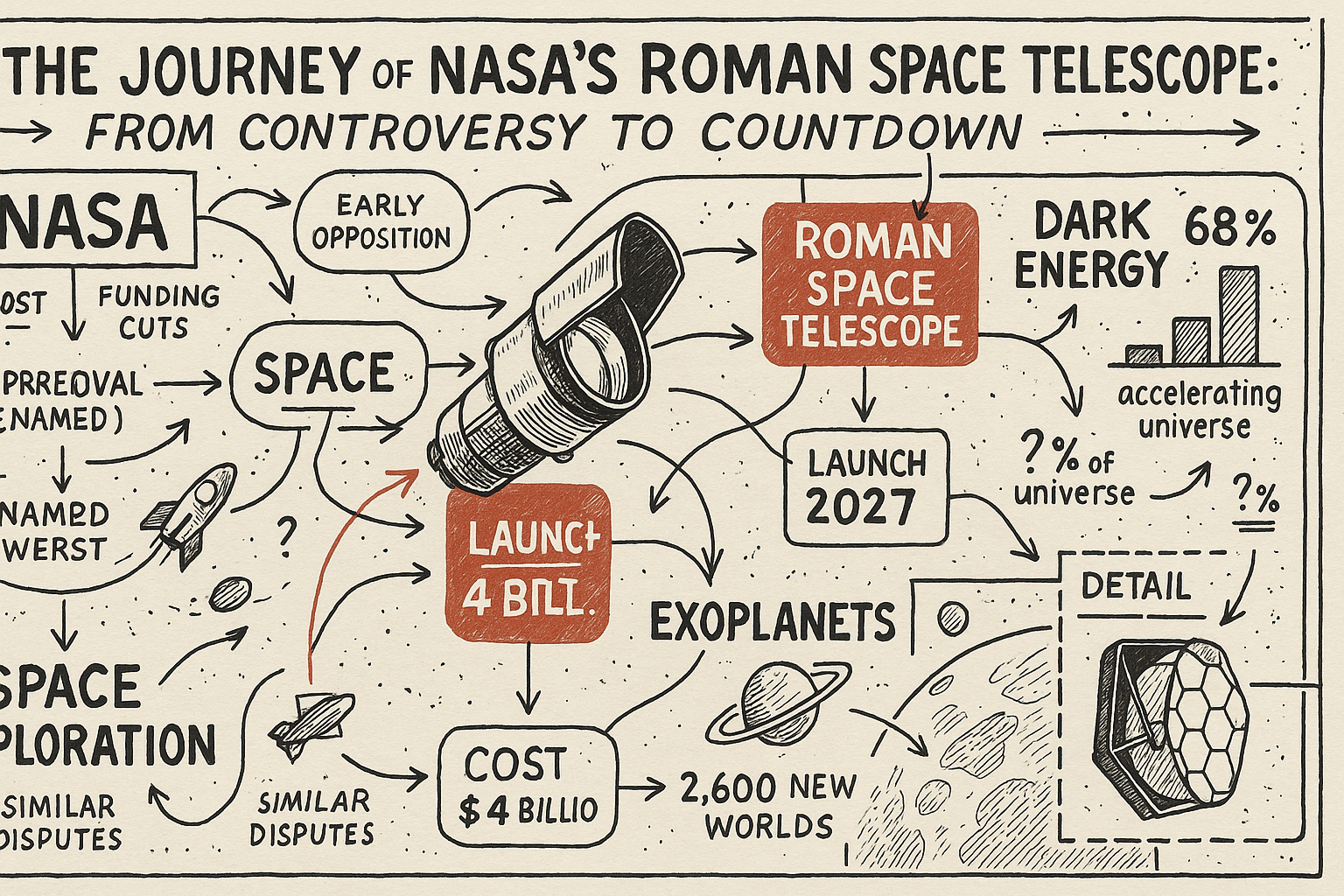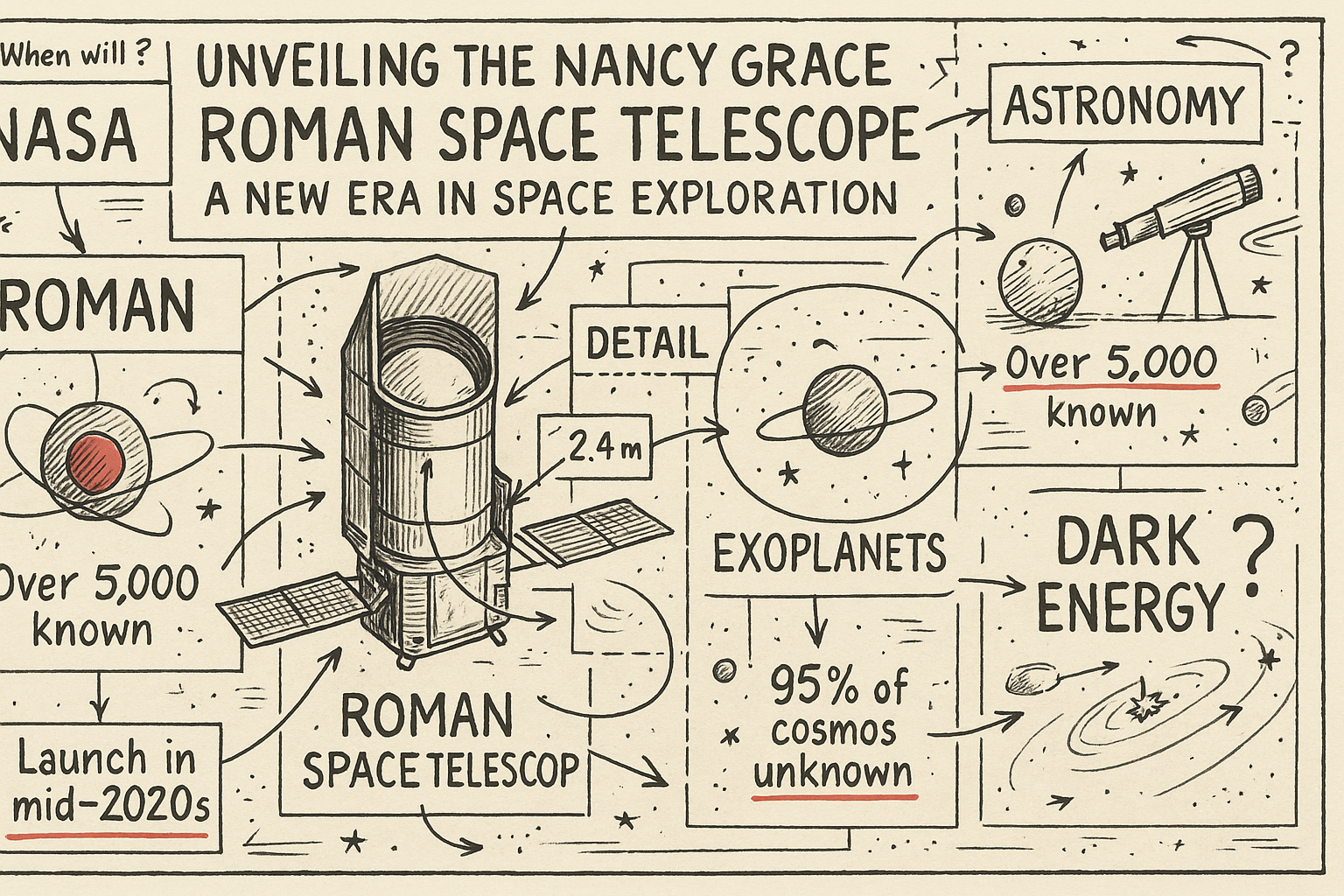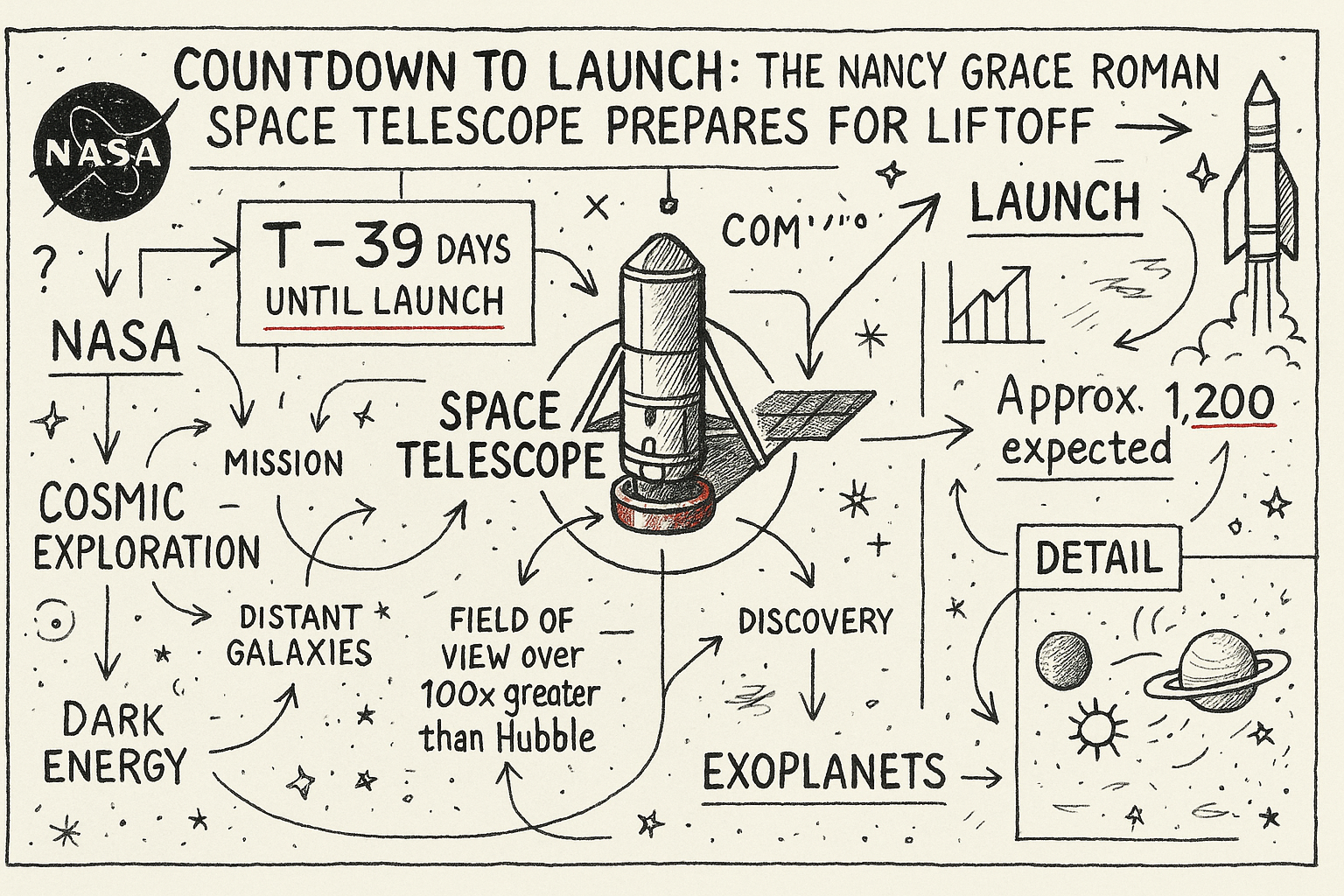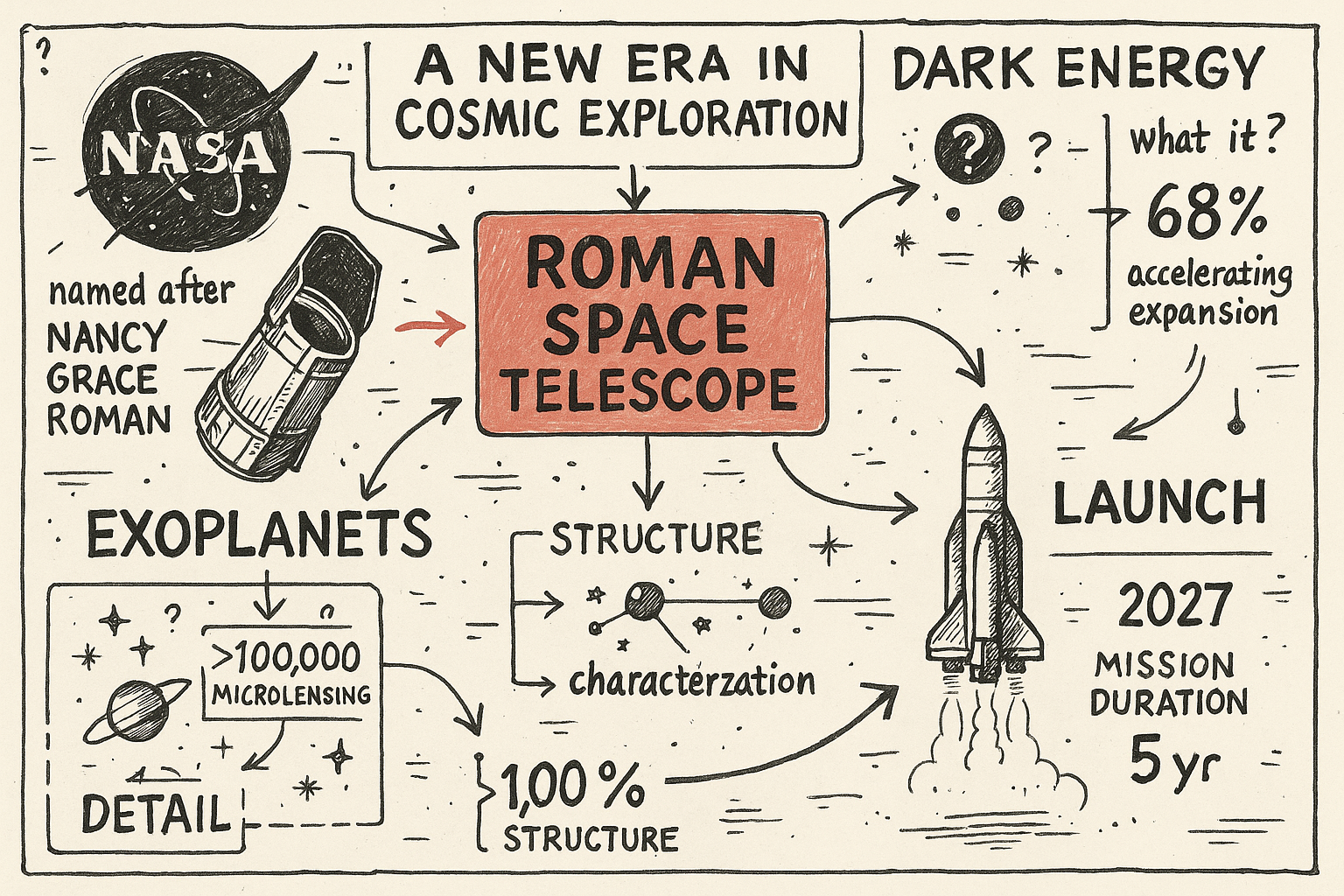
The Nancy Grace Roman Space Telescope, named in honor of NASA's first Chief of Astronomy, is poised to launch from the Kennedy Space Center in Florida on August 30, 2026. This next-generation observatory is designed to explore some of the most profound mysteries of the universe, including dark energy and dark matter, while also searching for new exoplanets.
With a field of view at least 100 times larger than the Hubble Space Telescope, the Roman Space Telescope will provide a comprehensive view of the cosmos. This expansive view will allow scientists to conduct detailed scans of the sky in visible to near-infrared light, offering new insights into the structure and evolution of the universe.
Technological Advancements
The Roman Telescope is equipped with cutting-edge technology, including a coronagraph instrument capable of blocking starlight to directly observe exoplanets. This feature will enable scientists to gather more data on the habitability of other worlds and the prevalence of solar systems similar to our own.
Additionally, the European Space Agency (ESA) is contributing essential hardware to the mission, such as star trackers, batteries, and detectors for the coronagraph instrument. ESA's support extends to communications through its deep-space ground station network, enhancing the mission's scientific return.
Mission Preparation
In preparation for the launch, NASA's engineers completed the final inspection of the telescope's primary mirror in late May 2026, ensuring it remained undamaged during testing. The mission managers conducted a comprehensive Flight Readiness Review at the Kennedy Space Center, confirming that all systems are go for the scheduled launch.
NASA plans to broadcast the launch event live, with coverage starting at 6:20 AM Eastern Time on August 30. This event marks a significant milestone in NASA's efforts to understand the universe's fundamental forces and the search for life beyond Earth.