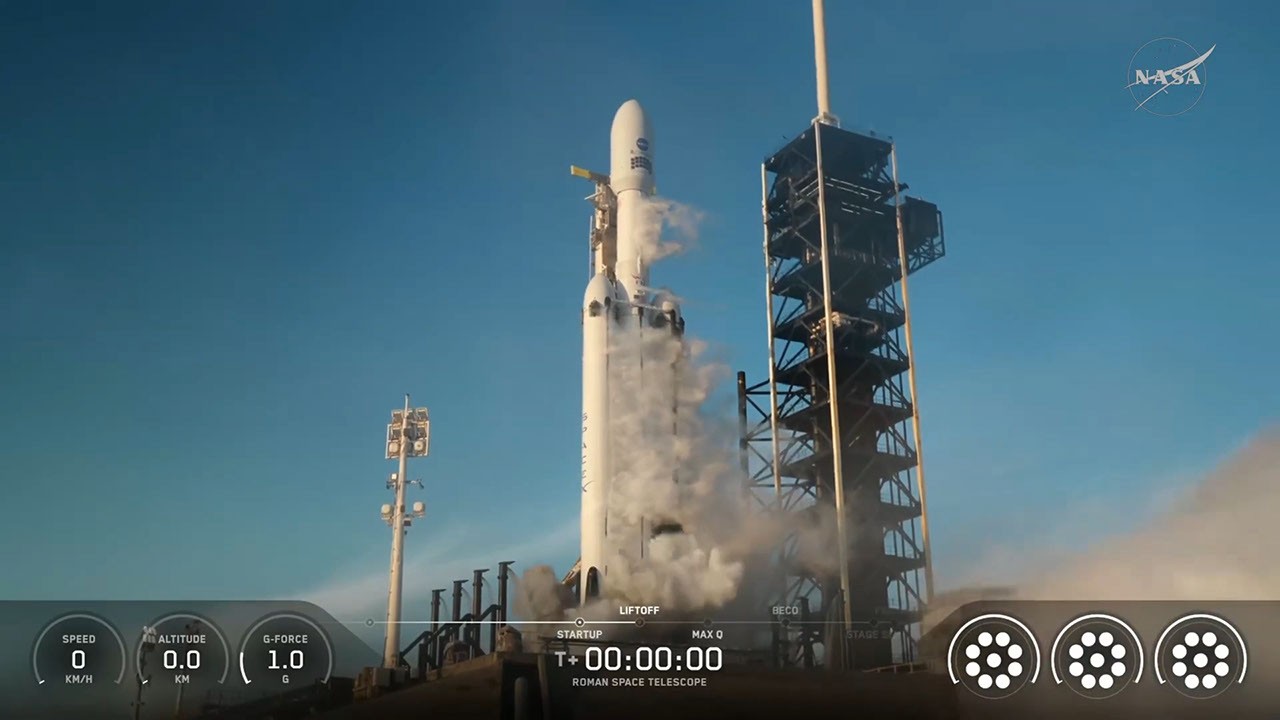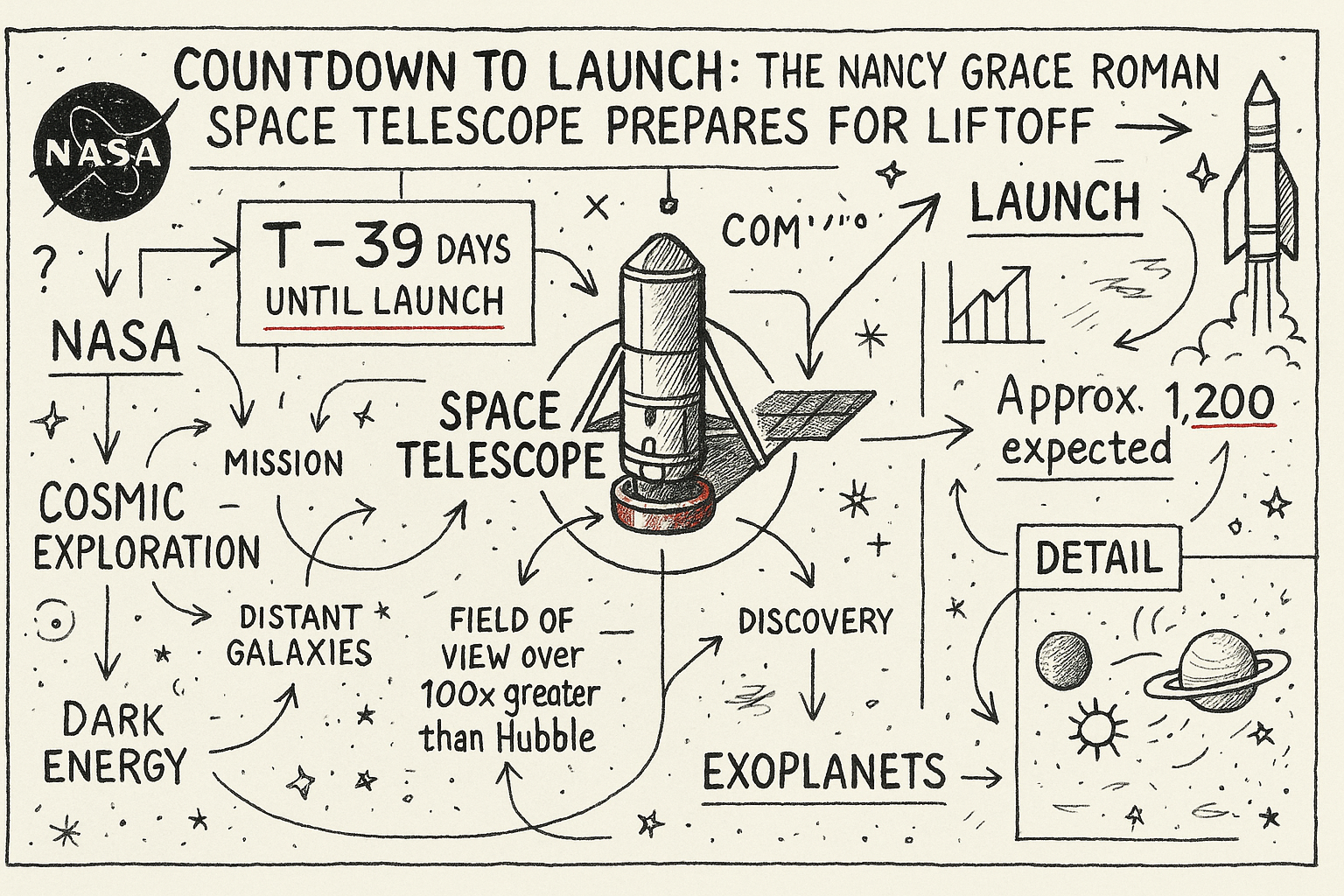
The Nancy Grace Roman Space Telescope is poised to embark on its mission from SpaceX's Launch Complex 39A at the Kennedy Space Center in Florida. Scheduled for liftoff at 7:26 a.m. EDT on August 30, 2026, this next-generation observatory is set to revolutionize our understanding of the universe.
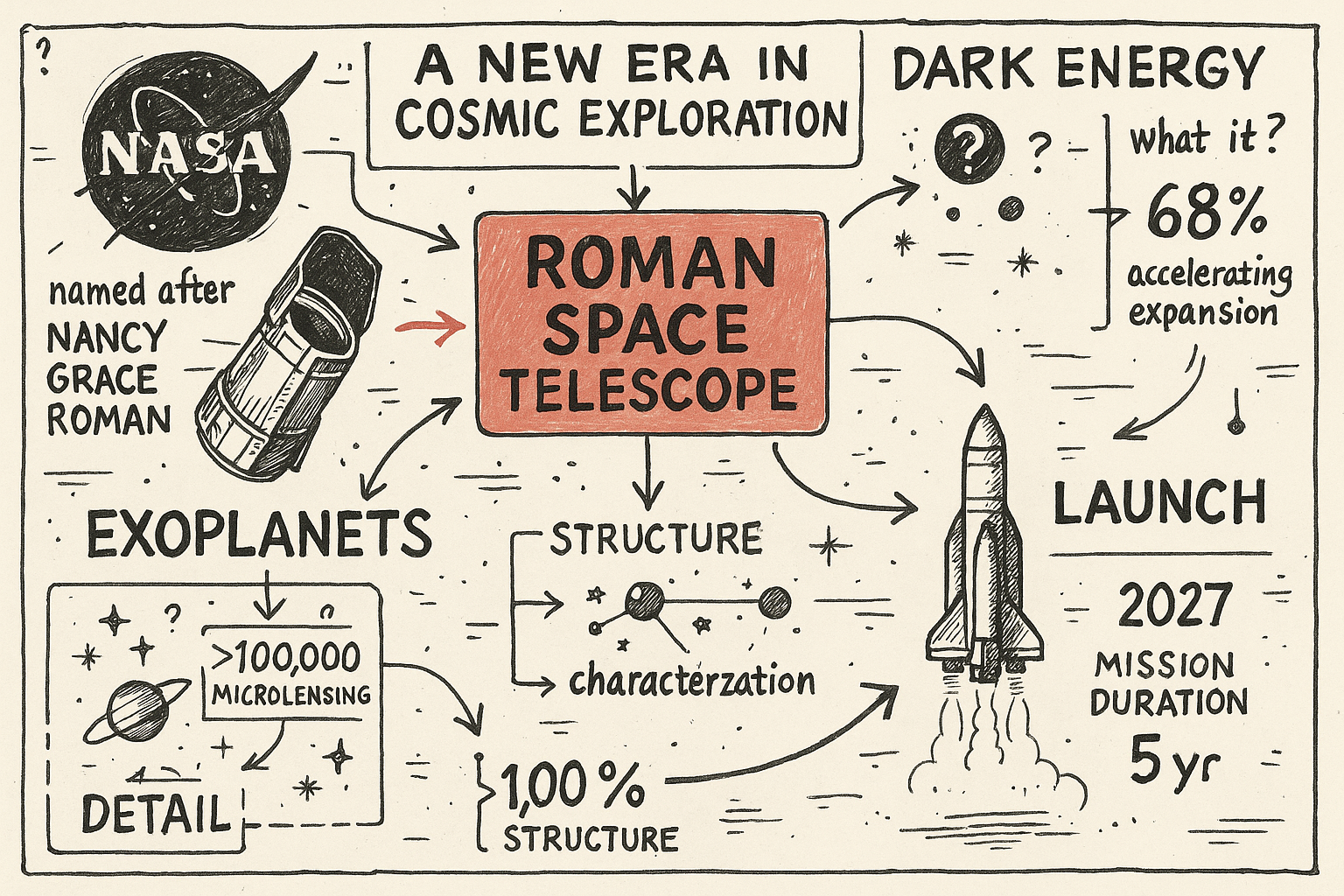
Named in honor of NASA's first chief of astronomy, Nancy Grace Roman, the telescope boasts a mirror comparable in size to that of the Hubble Space Telescope. However, it distinguishes itself with a field of view over 100 times larger, allowing it to survey vast areas of the sky with unprecedented speed and detail.
Mission Objectives
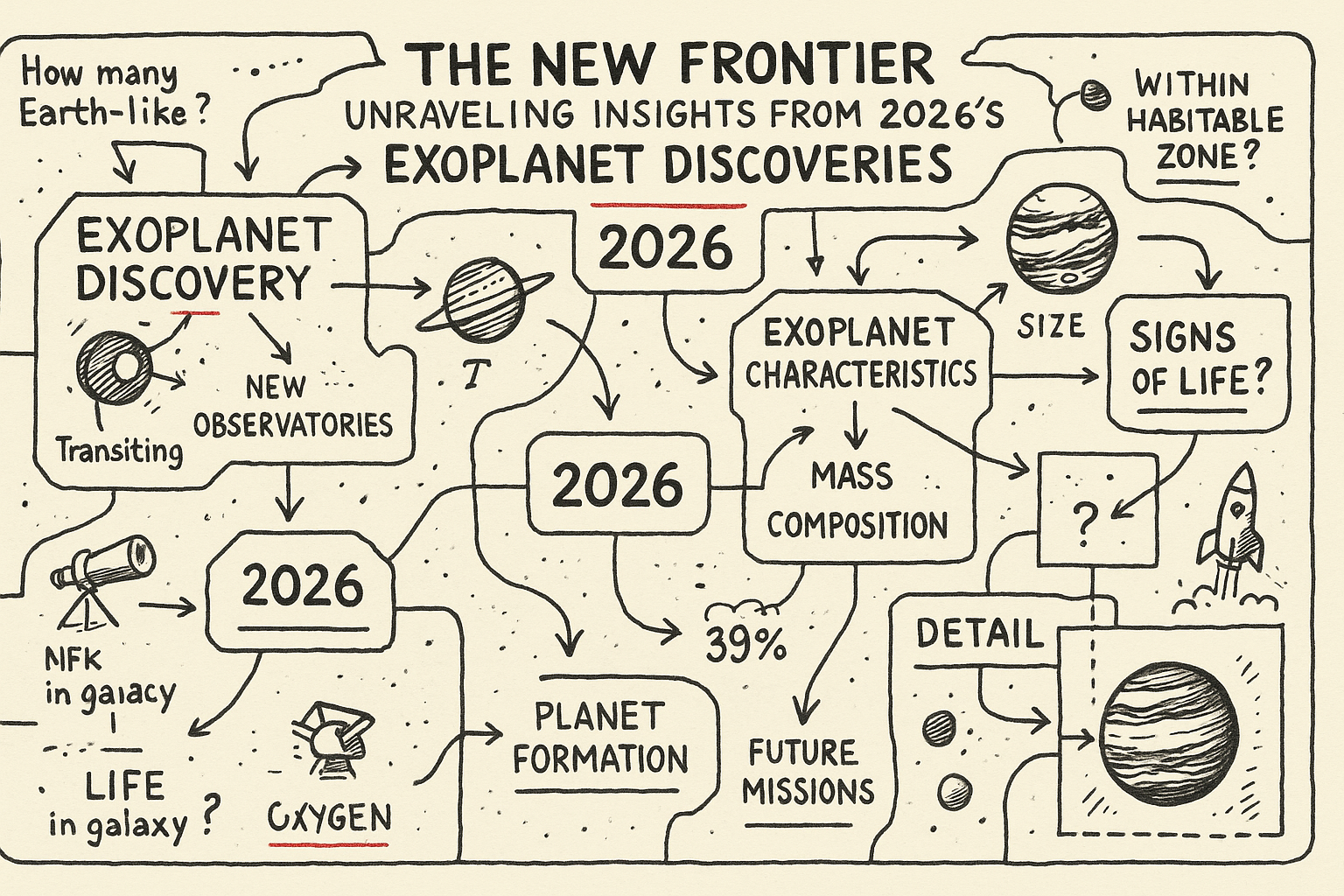
The Roman Space Telescope's primary mission is to explore the enigmatic forces of dark energy and dark matter. By mapping the distribution of galaxies across the cosmos, it aims to uncover the underlying structure and evolution of the universe. Additionally, the telescope will be pivotal in the search for exoplanets, potentially identifying up to 100,000 new worlds beyond our solar system.
NASA has meticulously planned the coverage for the prelaunch and launch activities, ensuring that the global audience can witness this historic event. The launch marks a significant milestone in NASA's quest to unravel the mysteries of the cosmos, building on the legacy of its predecessors like the Hubble and James Webb Space Telescopes.
Technological Marvel
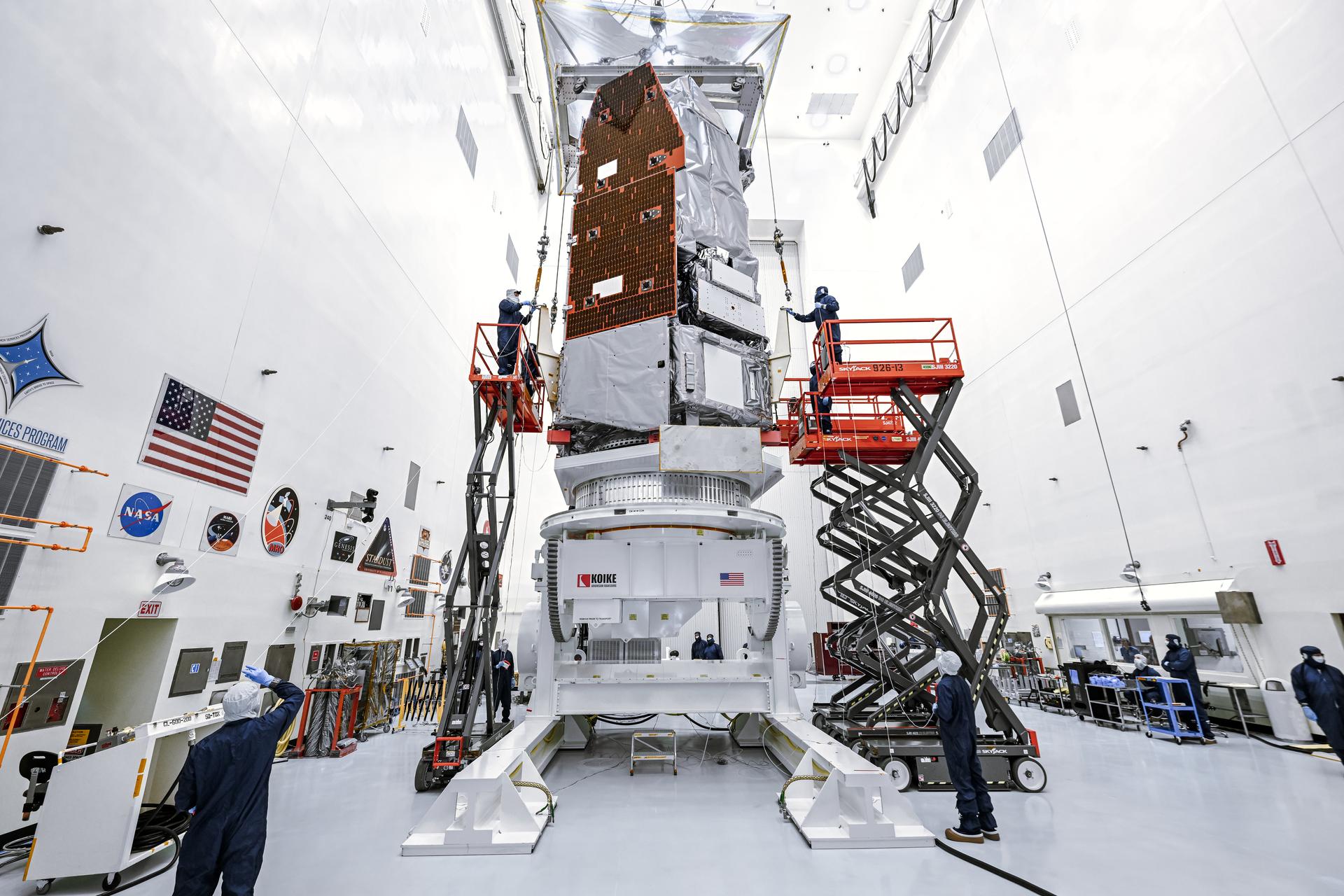
The Roman Space Telescope is equipped with cutting-edge technology designed to enhance its observational capabilities. Its Wide Field Instrument will capture images with a clarity and depth that promise to yield new insights into the nature of the universe. Furthermore, the telescope's Coronagraph Instrument will enable the direct imaging of exoplanets, offering a closer look at planetary systems around distant stars.
As the scientific community eagerly awaits the telescope's operational phase early next year, the Roman Space Telescope is expected to open new frontiers in astrophysics, providing answers to some of the most profound questions about our universe.