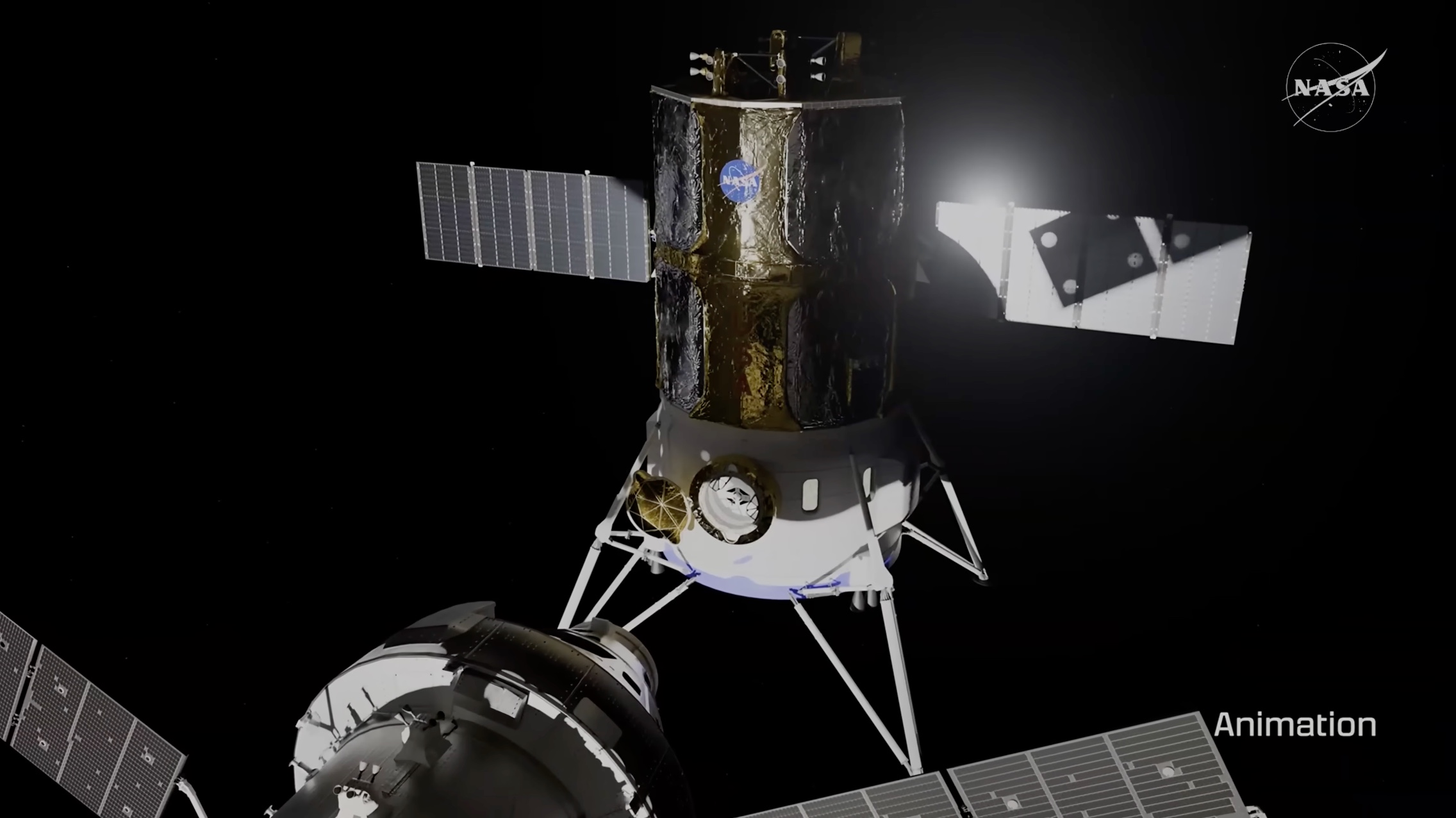
NASA has recently outlined revised plans for the development of lunar landers as part of the Artemis program, emphasizing the acceleration of efforts by both Blue Origin and SpaceX. This update marks a significant step in the agency's objective to return humans to the lunar surface, leveraging private sector capabilities to enhance mission efficiency and innovation.
The Artemis program, initiated by NASA, aims to land "the first woman and the next man" on the moon, with a broader goal of establishing a sustainable human presence on the lunar surface by the end of the decade. Central to this mission is the development of lunar landers capable of safely transporting astronauts to and from the moon.
Blue Origin and SpaceX: A Dual Approach
The revised plans involve two key players in the private aerospace industry: Blue Origin and SpaceX. Both companies have been tasked with developing distinct lunar lander systems, a strategic decision by NASA to diversify its options and mitigate risks associated with relying on a single provider.
Blue Origin, led by Jeff Bezos, has been working on a lunar lander known as Blue Moon. The company is focusing on refining its design to meet the rigorous safety and performance standards set by NASA. According to the latest updates, Blue Origin is prioritizing advancements in propulsion technology and landing precision to ensure a successful deployment on future Artemis missions.
SpaceX, under the leadership of Elon Musk, is developing its own lunar lander variant based on the Starship architecture. Known for its ambitious projects and rapid development cycles, SpaceX is making significant strides in adapting its Starship design for lunar operations. The company has been concentrating on enhancing the vehicle's ability to handle the unique challenges posed by the moon's environment, such as dust mitigation and thermal management.
NASA's Strategic Collaboration
NASA's collaboration with Blue Origin and SpaceX is part of a broader strategy to leverage commercial innovation in space exploration. By involving multiple companies, NASA aims to foster competition and innovation, which can lead to more robust and cost-effective solutions. This approach also provides NASA with flexibility, allowing the agency to adjust its plans as technological advancements and developments unfold.
The decision to revise the lunar lander plans comes amid growing interest in lunar exploration and the potential for future Mars missions. As NASA continues to refine its strategies, the agency is also considering how these efforts can contribute to longer-term goals, such as establishing a lunar base and facilitating human exploration of Mars.
Future Implications
The success of the Artemis program and its lunar landers will have far-reaching implications for space exploration. A successful return to the moon would not only symbolize a major achievement in human spaceflight but also lay the groundwork for future endeavors beyond Earth's orbit. The technologies and knowledge gained through the Artemis missions could pave the way for sustainable exploration of other celestial bodies, including Mars.
Furthermore, the collaboration between NASA and private companies like Blue Origin and SpaceX represents a shift in how space exploration is conducted. This partnership model allows for a more dynamic and adaptable approach to overcoming the challenges of space travel, potentially accelerating the timeline for human exploration of the solar system.
As the Artemis program progresses, all eyes are on Blue Origin and SpaceX to see how their respective lunar lander designs evolve and how these advancements will contribute to the overarching goals of NASA's ambitious exploration agenda.