China's space program has been making headlines with its remarkable pace of rocket launches. Between June 14 and June 16, 2026, the country conducted four launches in a span of just three days. This impressive feat underscores China's ambitious push to cement its status as a leading space-faring nation. However, the silence following the launch of the Kuaizhou-11 solid rocket has sparked concerns about potential issues with the mission.
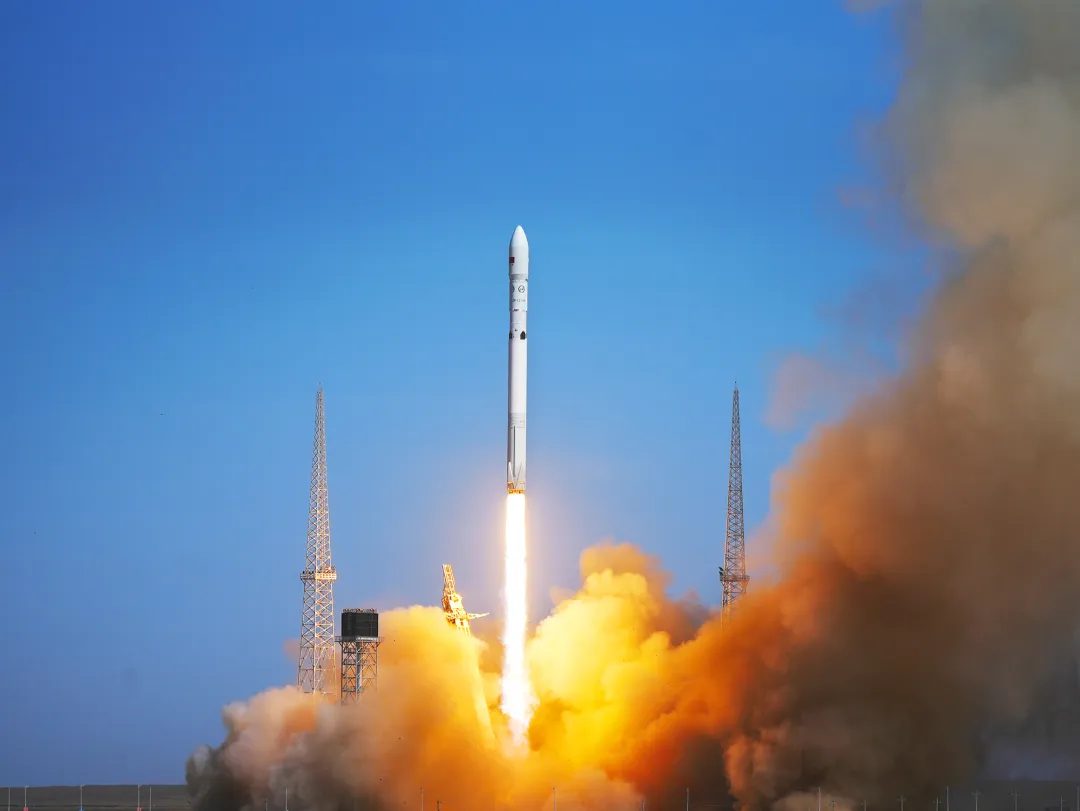
The Kuaizhou-11 launch, which took place on June 16, was part of this rapid sequence of missions. Despite the successful liftoff, the lack of post-launch communication from Chinese authorities or the managing firms suggests that there may have been complications. Typically, after a successful launch, officials provide updates about the rocket's performance and the status of the payload. The absence of such information could indicate a problem, though no official statement has confirmed this.
The Kuaizhou-11 is a solid-fueled rocket developed by ExPace, a commercial spinoff of the China Aerospace Science and Industry Corporation (CASIC). The rocket is designed to provide flexible and cost-effective launch services for small to medium-sized satellites. The Kuaizhou-11 was initially launched in 2020, but faced a setback with a failed mission. Its subsequent flights have been closely watched as indicators of the rocket's reliability and capability.
This recent launch was expected to bolster confidence in the Kuaizhou-11's performance. However, the current silence following the launch may delay such confidence. The situation highlights the complexities and risks inherent in space exploration, even for countries with extensive resources and expertise like China. It also serves as a reminder of the challenges that come with ambitious space agendas, where the drive for rapid advancements can sometimes lead to unforeseen setbacks.
China's broader space program has been characterized by its aggressive timeline and wide-ranging objectives. From crewed space missions to lunar exploration and plans for Mars exploration, China has positioned itself as a formidable player in space exploration. The country has also been expanding its satellite network for both civil and military applications, strengthening its global positioning and communication capabilities.
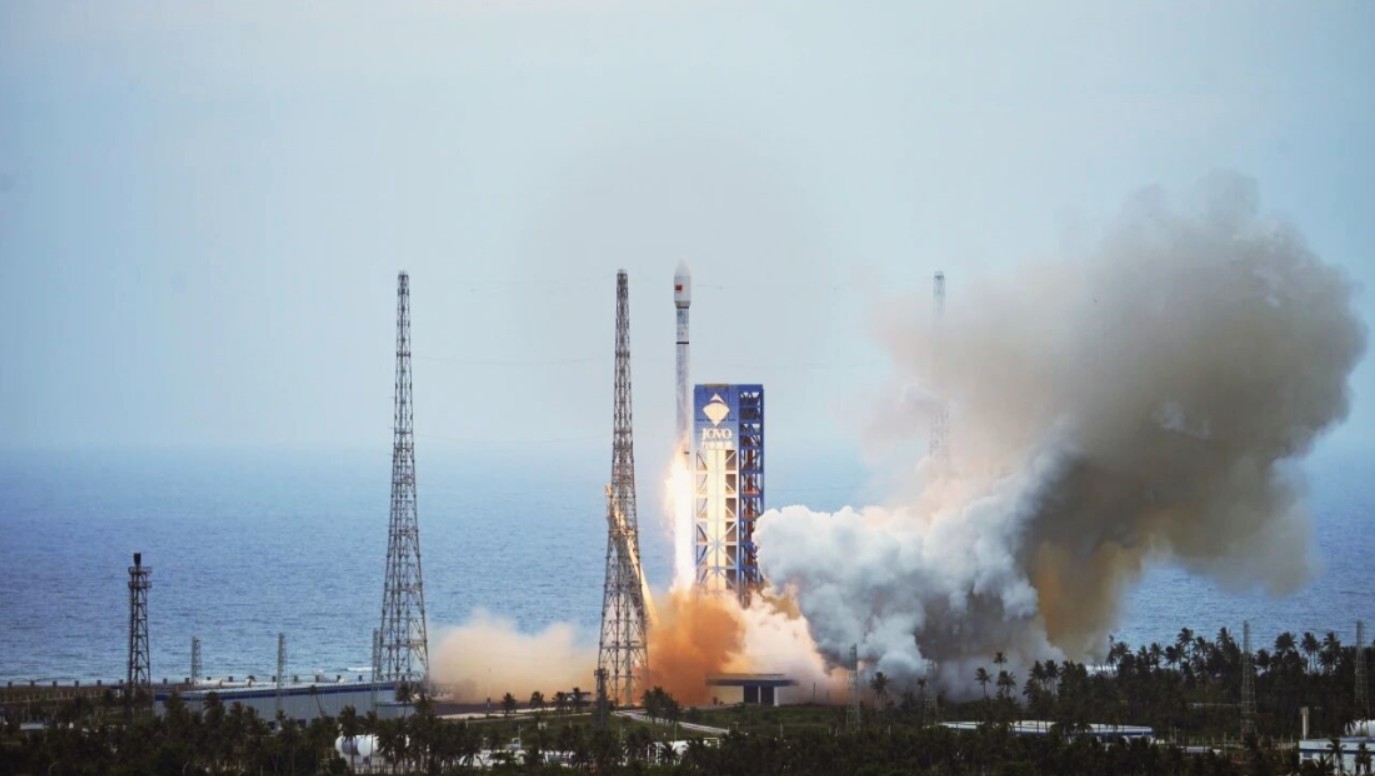
The recent string of launches also included a mission using the Long March 7A rocket, which successfully placed a satellite into orbit. This success contrasts with the Kuaizhou-11's uncertain status and highlights the mixed outcomes that can occur even within a short span of time. The Long March 7A is part of China's workhorse fleet, known for its reliability and frequent use in various missions.
As China continues to push the boundaries of its space program, the lessons learned from each mission will be crucial. The silence following the Kuaizhou-11 launch could prompt a reevaluation of current strategies, potentially leading to adjustments in future mission plans or technology developments.
Looking ahead, China's space aspirations remain undeterred. The country is committed to enhancing its technological capabilities and expanding its presence in space. While setbacks are inevitable in such a complex field, they also provide opportunities for growth and innovation. The global space community will be watching closely to see how China addresses the challenges posed by the Kuaizhou-11 launch and how it integrates these experiences into its broader space exploration agenda.