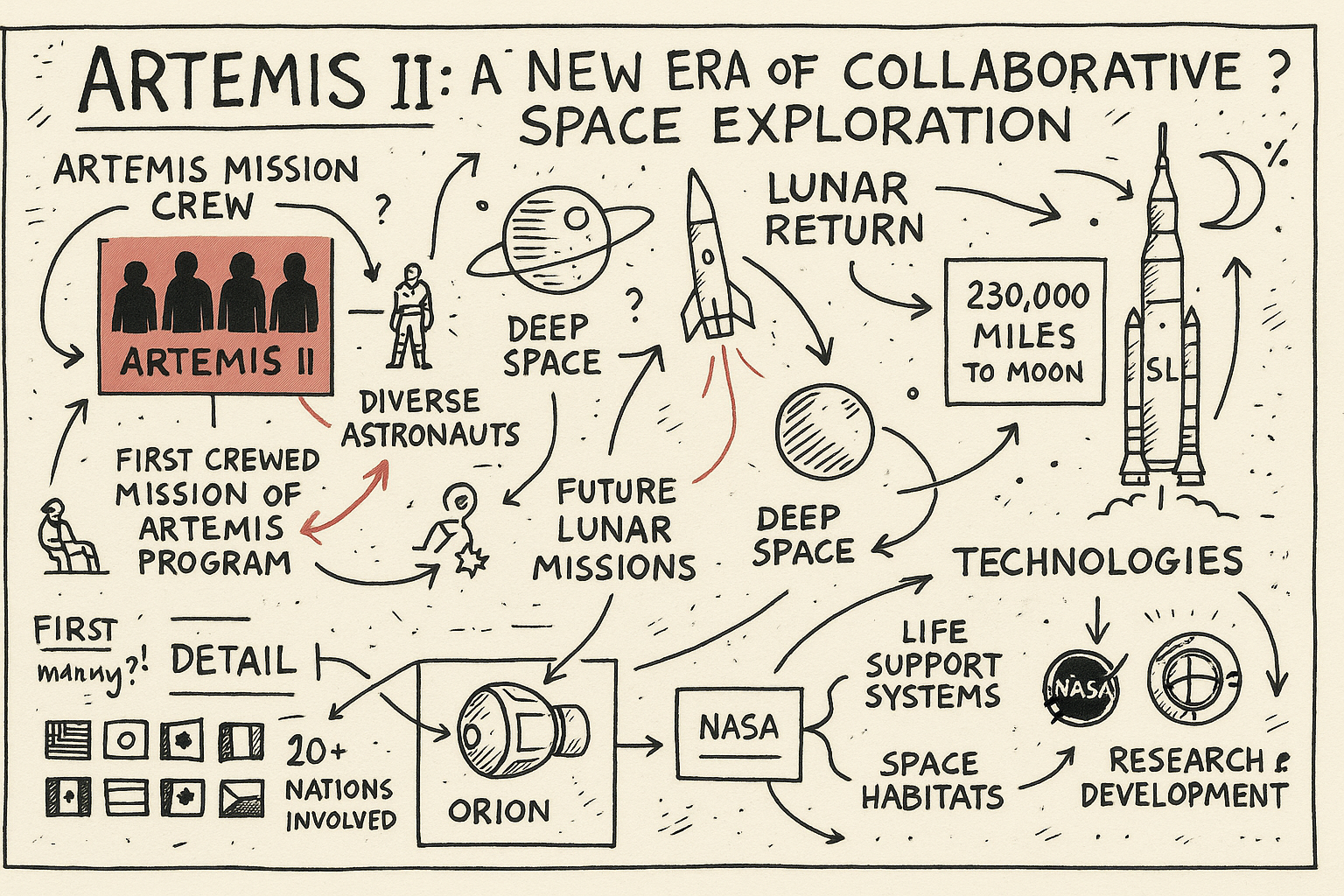
The Artemis II mission represents a significant leap forward in humanity's quest to explore and understand the cosmos. As the first crewed mission in NASA's Artemis program, it not only builds upon the legacy of the Apollo missions but also sets a precedent for international collaboration in space exploration.
A Diverse Crew Leading the Way
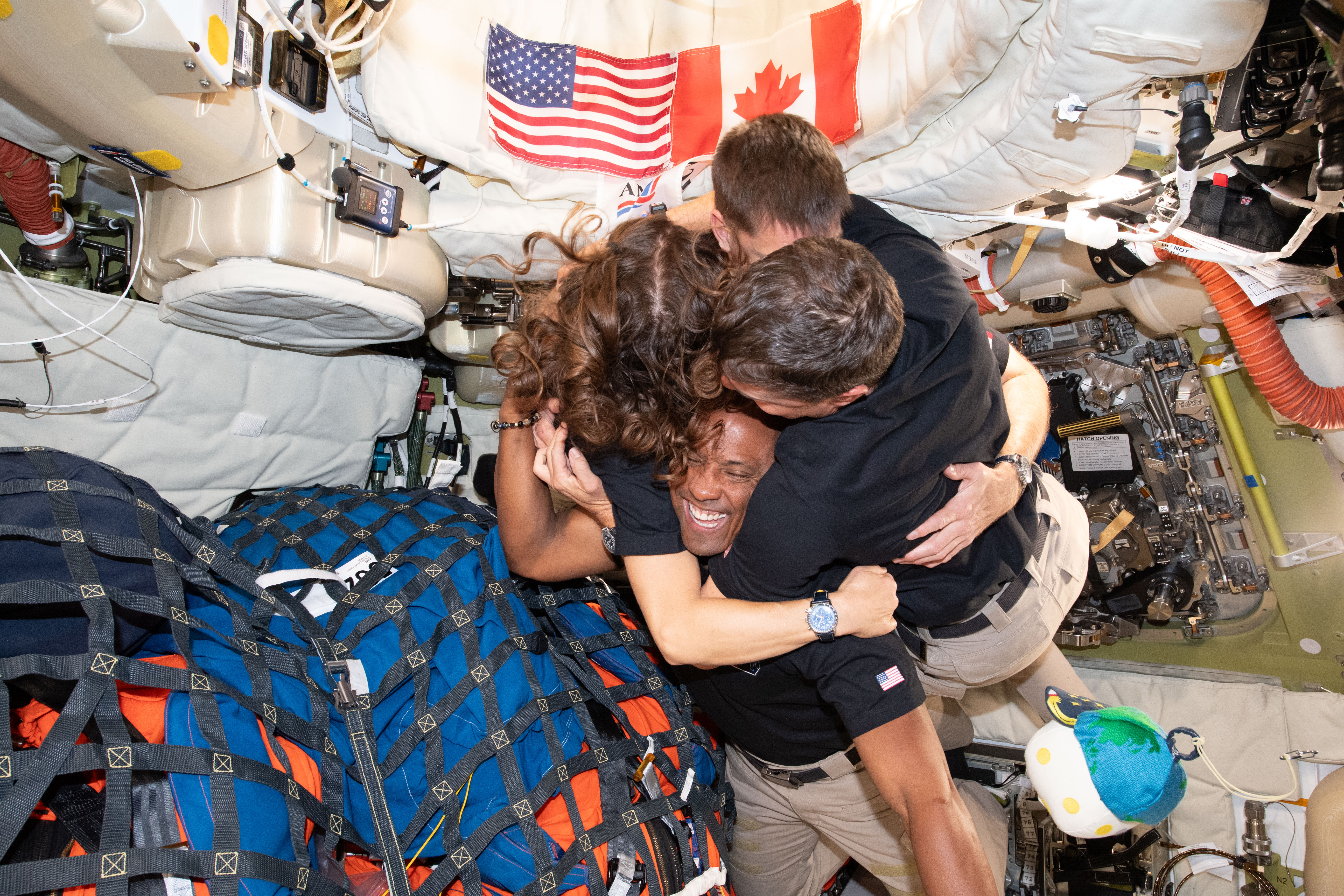
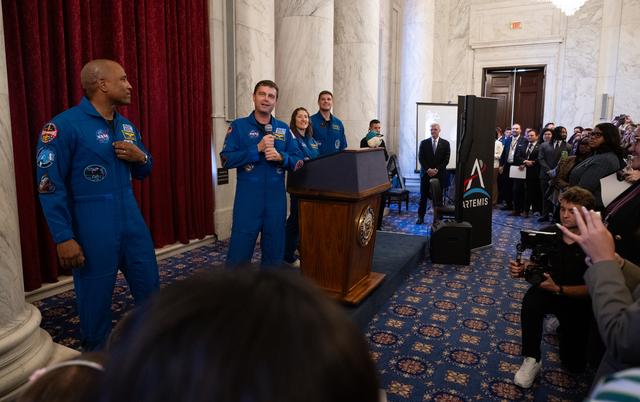
The Artemis II crew, consisting of NASA astronauts Christina Koch, Victor Glover, Reid Wiseman, and Canadian Space Agency astronaut Jeremy Hansen, embodies a multicultural and diverse team reflective of the mission's global ambitions. Their recent visit to NASA's Marshall Space Flight Center allowed them to connect with the workforce driving these monumental efforts (Source 1).
In a groundbreaking move, NASA has transitioned two of these astronauts, Glover and Wiseman, to emeritus status, enabling them to continue contributing their expertise even after their active missions (Source 5). This decision underlines NASA's commitment to retaining institutional knowledge and expertise, which is crucial as the agency embarks on increasingly complex missions.
Expanding the Artemis Network
The Artemis Accords, a non-binding multilateral agreement that establishes principles for space exploration, welcomed its 71st signatory, Turkey, in late August (Source 3). This addition underscores the growing international consensus on the importance of peaceful and cooperative exploration of outer space.
The Accords not only ensure the safe and sustainable use of space resources but also foster international collaboration, paving the way for joint missions and shared scientific endeavors. By bringing diverse countries into the fold, NASA is building a robust framework that could mitigate conflicts and enhance mutual understanding.
Inclusive Initiatives and Broader Engagement
NASA's commitment to inclusivity is further exemplified by its efforts to engage the blind and low-vision community through a dedicated webinar on the RS-25 Engine and the future of Artemis missions (Source 4). Such initiatives highlight NASA's dedication to making space exploration accessible to all, ensuring that the wonders of the universe inspire diverse audiences.
Meanwhile, the transition of individuals like Jeret Howard from a contractor to a civil servant within NASA, as part of efforts to restore core competencies, reflects the agency's strategic workforce planning. Howard's journey from a combat medic to a NASA civil servant illustrates the diverse pathways individuals can take to contribute to space exploration (Source 2).
The Broader Impact of Artemis II
Artemis II's achievements extend beyond technical milestones and international relations. The crew's receipt of the Congressional Space Medal of Honor from President Donald J. Trump is a testament to the mission's national significance and the crew's exceptional contributions (Source 8).
Moreover, Artemis II's successful execution lays the groundwork for future missions, including Artemis III, which aims to return humans to the lunar surface for the first time in over half a century. These missions not only aim to establish a sustainable human presence on the Moon but also serve as a proving ground for future missions to Mars and beyond.
In essence, the Artemis program is reshaping the landscape of space exploration. By fostering international cooperation, embracing diversity, and engaging broader communities, it is setting the stage for a new era where space exploration is a truly global endeavor.