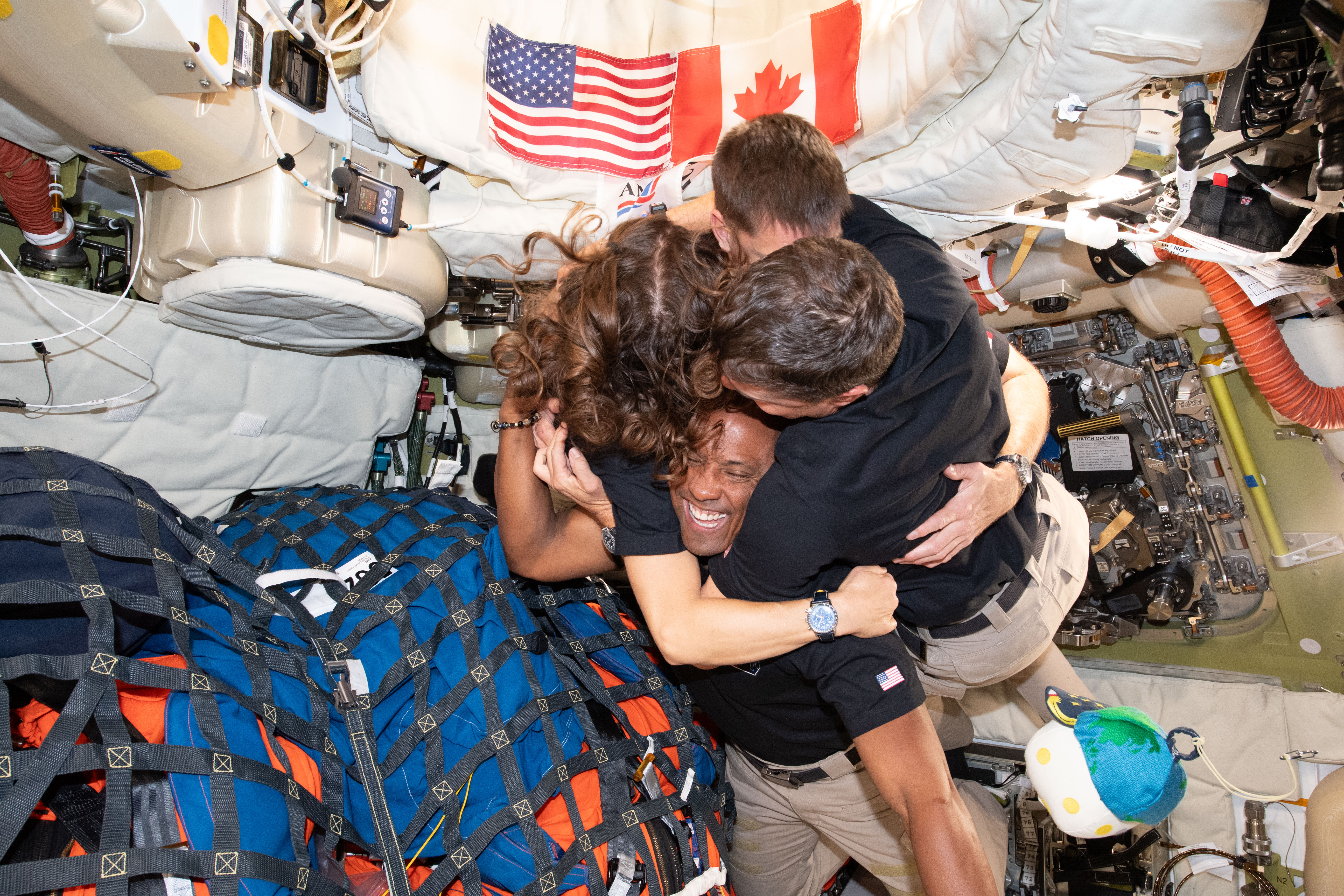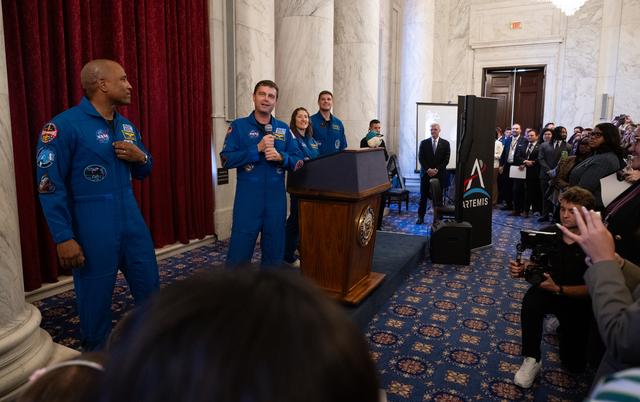
On May 12, 2026, the crew of NASA's upcoming Artemis II mission gathered in Washington, D.C. to engage with congressional staff. The astronauts present included Reid Wiseman, Victor Glover, and Christina Koch from NASA, alongside Jeremy Hansen from the Canadian Space Agency (CSA). This meeting served as a crucial platform for discussing the mission's objectives and its significance in the broader scope of space exploration.
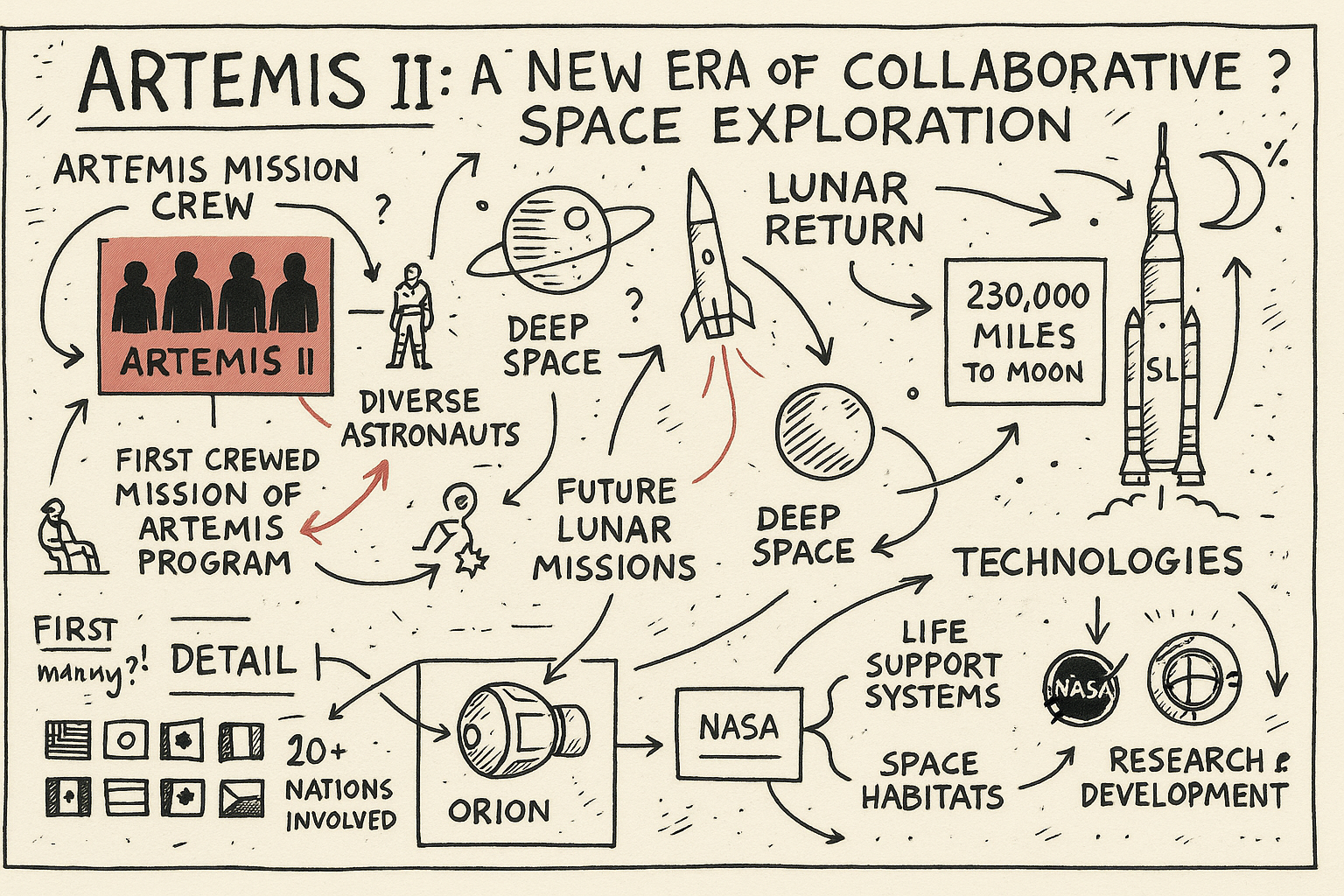
Artemis II is a pivotal mission in NASA's Artemis program, designed to advance human space exploration beyond low Earth orbit. The mission will be nearly 10 days long and represents a significant step toward NASA's goal of landing humans on the Moon once again. This mission will not land on the lunar surface but is intended to test the capabilities of the Orion spacecraft in a high lunar orbit, setting the stage for future lunar landings.
The presence of 'Rise,' the Artemis II zero gravity indicator, at the meeting symbolized the mission's readiness to proceed. The zero gravity indicator is a small object typically used on space missions to visually demonstrate when the spacecraft has reached microgravity.
The meeting emphasized the international collaboration integral to the Artemis program, with Jeremy Hansen's participation underscoring Canada's role. The CSA's involvement highlights the mission's importance as a cooperative international effort, further supported by agreements with other countries and space agencies.
The Artemis II mission is not just about technical achievements; it also represents a profound opportunity to inspire future generations and foster a global community united by the pursuit of knowledge and exploration. The engagement with congressional staff underscores the mission's reliance on continued policy and financial support, essential for sustaining the momentum of human space exploration.
The Artemis program aims to establish a sustainable human presence on the Moon by the end of the decade, with the eventual goal of enabling human exploration of Mars. Artemis II, therefore, is a foundational step in this ambitious agenda, testing systems and protocols that will be crucial for future missions.