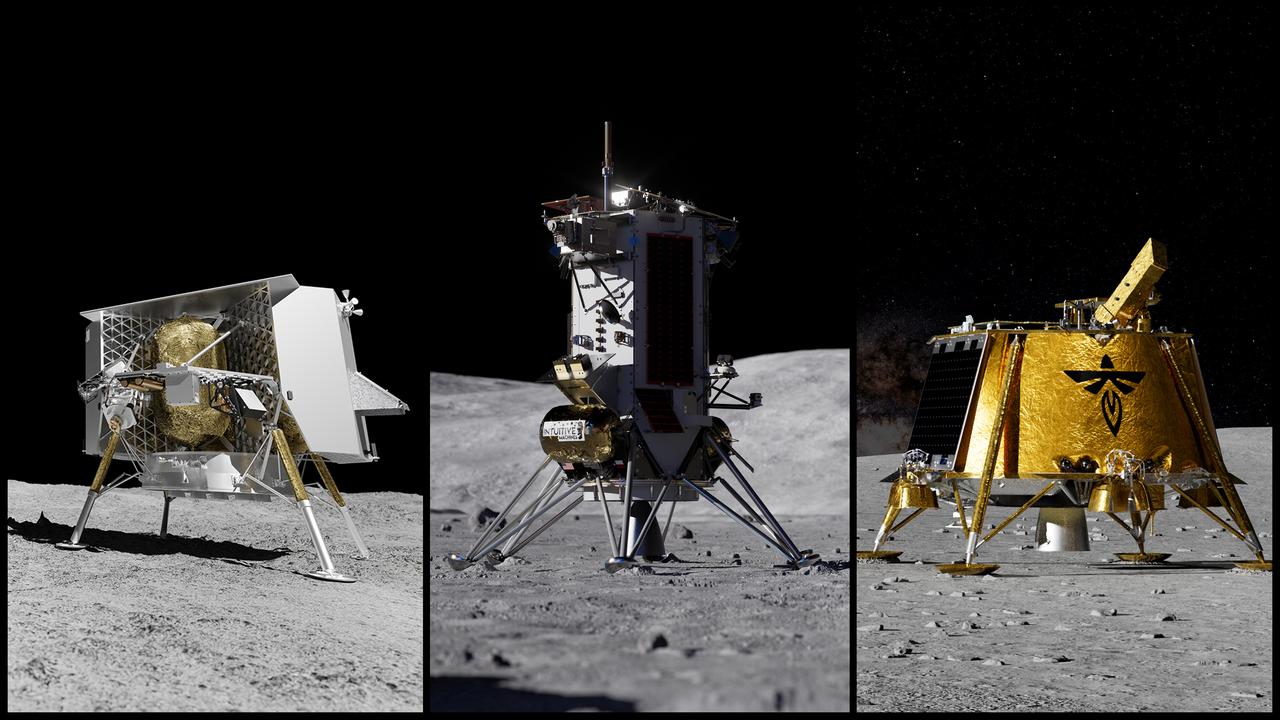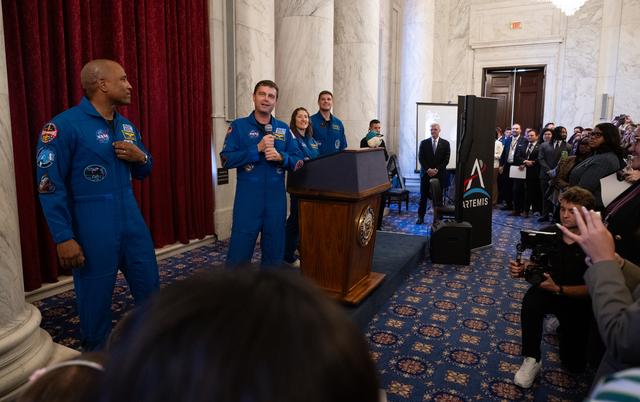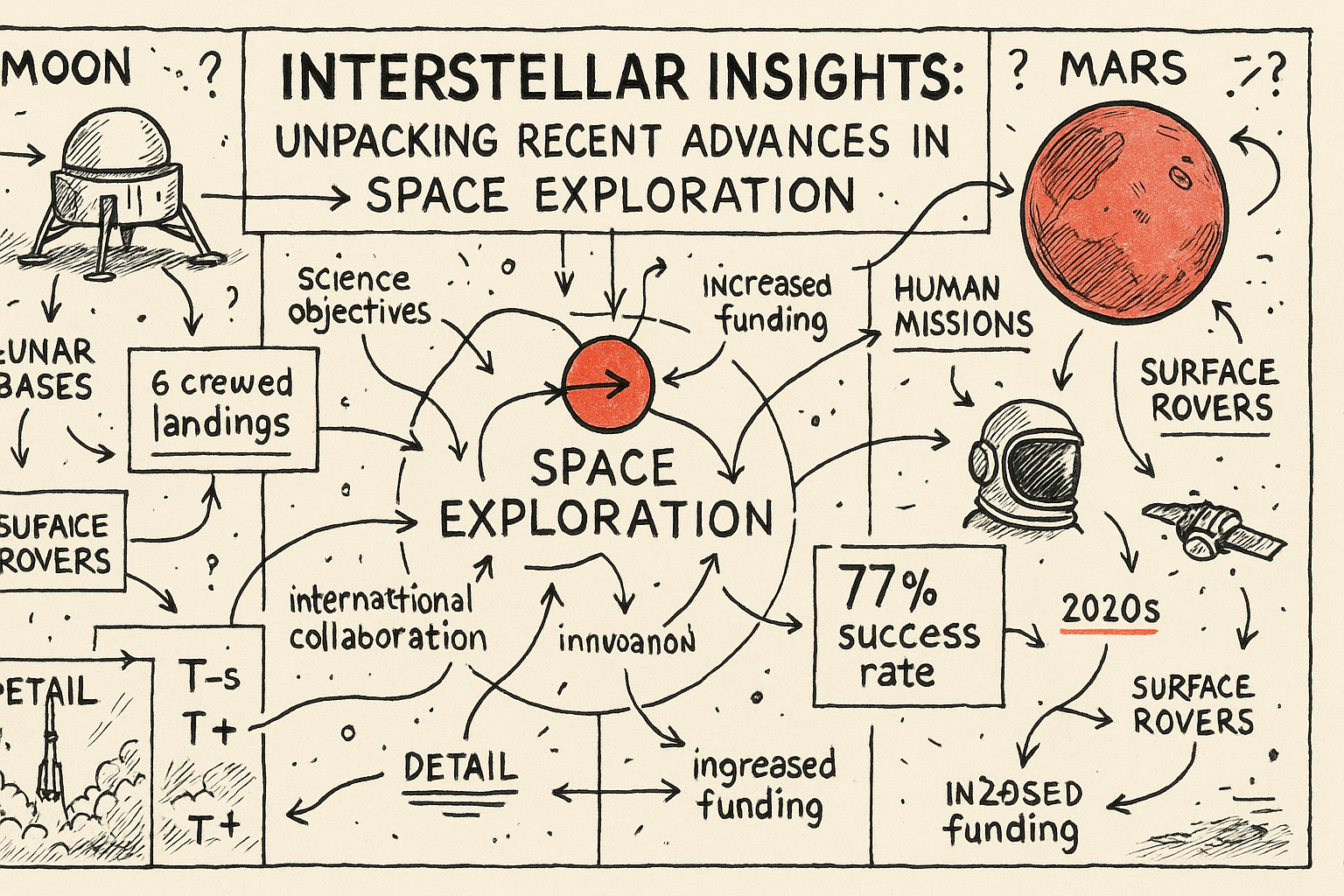
NASA's Artemis II mission has achieved a significant milestone by breaking the agency's streaming records, capturing the attention of millions worldwide. This achievement marks a crucial step in NASA's ongoing Artemis program, which aims to return humans to the Moon, further explore the lunar surface, and establish a sustainable human presence there by the end of the decade.
Artemis II is designed as the first crewed mission of the Artemis program, building on the uncrewed success of Artemis I. The mission plans to send astronauts around the Moon, laying the groundwork for future lunar landings. This mission is expected to rekindle global interest in lunar exploration and expand scientific understanding of Earth's closest celestial neighbor.
The streaming event for Artemis II set a new benchmark for NASA, drawing a diverse audience eager to witness the resurgence of human space exploration beyond low Earth orbit. This level of public engagement not only highlights the enduring fascination with space exploration but also underscores the importance of international collaboration in achieving these ambitious goals.
The Artemis program represents a new era of lunar exploration, with Artemis II serving as a pivotal mission. This mission will test the systems necessary for deep space travel and provide critical data for future missions. The mission's success would pave the way for Artemis III, which aims to land the first woman and the next man on the Moon, near the lunar South Pole.
NASA's Artemis program is not just about returning to the Moon but also about creating a sustainable presence. The program envisions establishing a lunar Gateway, an orbiting platform to support long-term lunar exploration and serve as a staging point for deeper space missions, including Mars.
This rekindling of lunar exploration echoes the Apollo program of the 1960s and 70s but with modern technology and a broader scope. Unlike Apollo, which focused on short-term lunar visits, Artemis aims for sustainability and the establishment of long-term infrastructure on and around the Moon.
International partnerships play a critical role in the Artemis program's success. NASA collaborates with space agencies from various countries, including the European Space Agency (ESA), Japan's JAXA, and the Canadian Space Agency (CSA). These collaborations not only share the financial burden but also bring together a wide range of expertise and technological capabilities.
The success of Artemis II in breaking streaming records is a testament to the public's interest and the importance of these missions. As preparations continue, the world watches with anticipation, aware that each step forward in the Artemis program brings humanity closer to a pivotal moment in space exploration history.
Looking ahead, the successful execution of Artemis II will provide vital insights and confidence for subsequent missions. The ultimate goal is to leverage the Moon as a stepping stone for future human missions to Mars, with the Moon serving as a testbed for technologies and strategies needed for prolonged space exploration.
In conclusion, Artemis II's record-breaking streaming event reflects the mission's significance and the global interest in NASA's lunar ambitions. As the Artemis program progresses, it promises to redefine our relationship with our celestial neighbor and expand the horizons of human space exploration.