NASA continues to push the boundaries of lunar exploration, even as one of its potential partners, Blue Origin, works to recover from a significant setback. Following the explosion of its New Glenn rocket last month, Blue Origin has been praised by NASA for its swift engineering response to the mishap. The company, under the leadership of CEO Dave Limp, plans to resume flights this year, incorporating a new pad design that aims to streamline the launch process by integrating rocket stages in a facility before transporting the complete assembly to the launch pad.
Despite these advances, NASA has yet to decide if Blue Origin's adjustments will suffice to meet its ambitious lunar objectives. Blue Origin is in the running to support the Artemis III mission, which is expected to launch no earlier than 2027. Carlos García-Galán, NASA's Moon Base Program Executive, emphasized the agency's commitment to working with Blue Origin to understand their recovery timelines, while simultaneously exploring other potential partnerships.
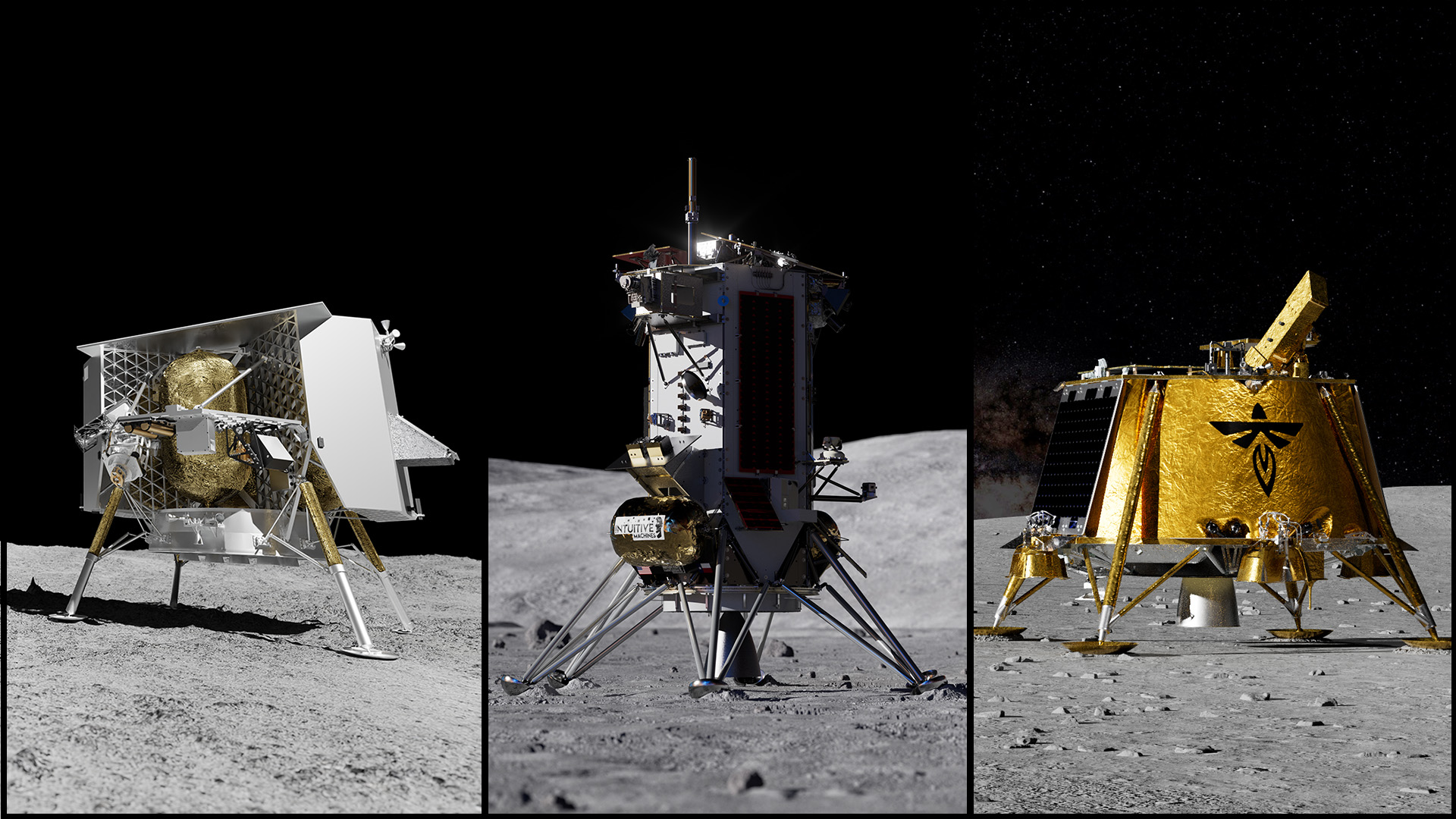
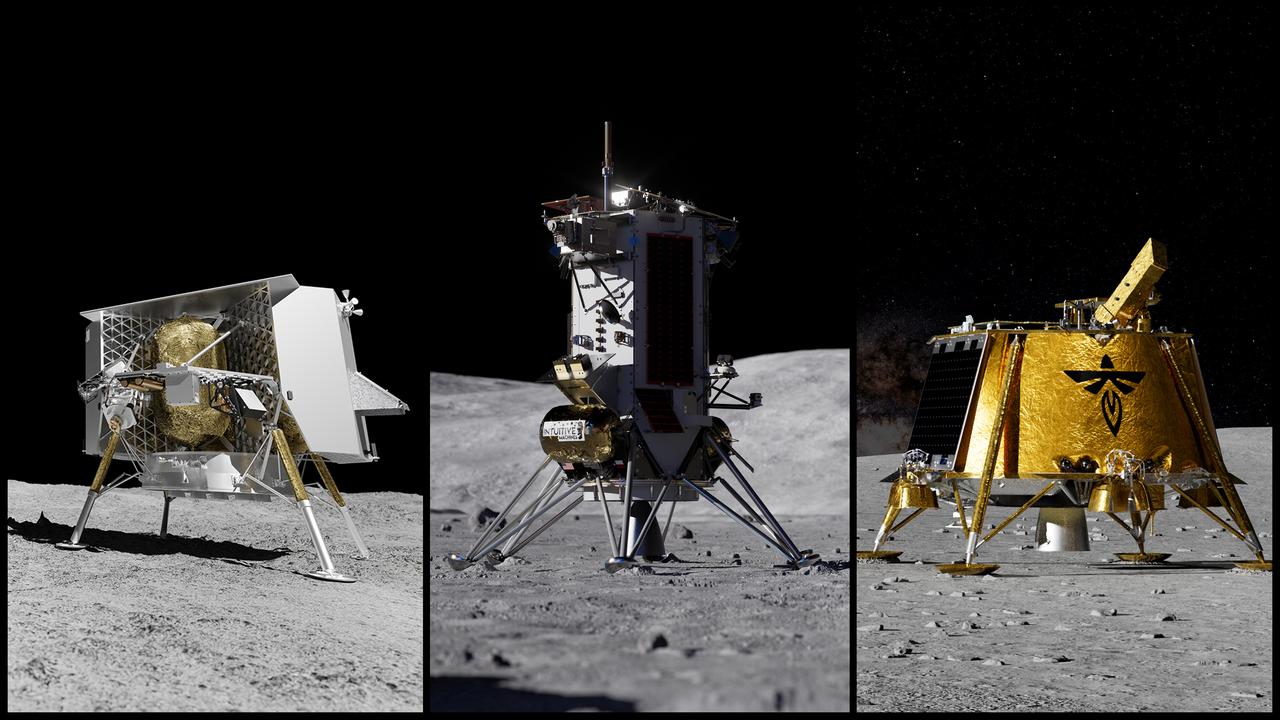
In parallel with monitoring Blue Origin's progress, NASA announced approximately $600 million in new Commercial Lunar Payload Services (CLPS) contracts. These contracts were awarded to various companies, including Astrobotic Technology, Intuitive Machines, and Firefly Aerospace. Astrobotic Technology received a total of $297.9 million for two Peregrine missions, Intuitive Machines was awarded $148.3 million for a Nova-C mission, and Firefly Aerospace secured $144.2 million for a Blue Ghost mission. These missions will deploy updated versions of previously flown lander designs, aligning with NASA's goal of achieving monthly lunar landings carrying NASA payloads.
In an innovative twist, NASA is considering deploying a prototype of the Mars Perseverance rover to the Moon. This proposed mission, dubbed PROMISE (Polar Rover for Observation, Mapping, and In-Situ Exploration), aims to prospect for lunar resources. This initiative underscores NASA's strategy of leveraging existing technology and hardware to enhance its lunar exploration capabilities.
Looking to the future, NASA is poised to invite proposals from industry players for lunar lander missions. These missions are set to involve payloads dedicated to demonstrating power and avionics technologies, unspecified scientific objectives, and optical payloads designed for lunar surface deployment. Furthermore, NASA plans to release an open call for proposals targeting Moon Base technology demonstrations, in addition to seeking solutions for a lunar communication and navigation relay constellation. This constellation is crucial for improving communication between the Moon Base elements and Earth, facilitating more efficient and reliable data transmission.
These developments highlight NASA's unwavering commitment to expanding human presence on the Moon. By fostering collaboration with private companies and seeking innovative solutions for lunar infrastructure, NASA is laying the foundation for sustainable lunar exploration. As Blue Origin works to recover from its recent mishap, the broader space industry looks forward to the potential of new partnerships and technological advancements that will enable humanity's return to the Moon.