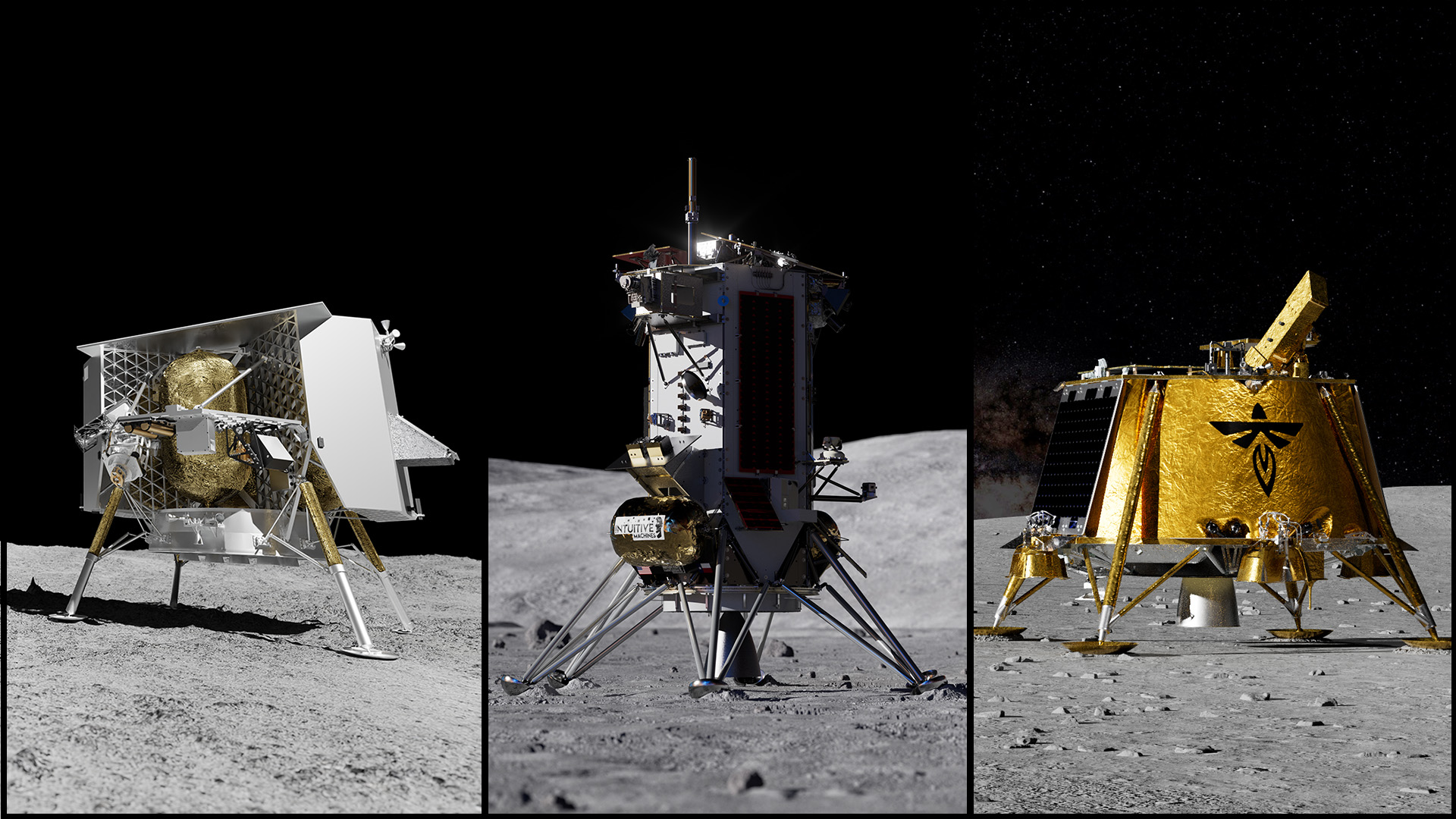
NASA has taken a significant step towards establishing a sustainable presence on the Moon by awarding nearly $600 million in contracts to three commercial space companies: Astrobotic, Firefly Aerospace, and Intuitive Machines. This announcement, made on June 30, 2026, is part of NASA’s ambitious Commercial Lunar Payload Services (CLPS) initiative, which aims to facilitate the delivery of scientific payloads to the lunar surface.
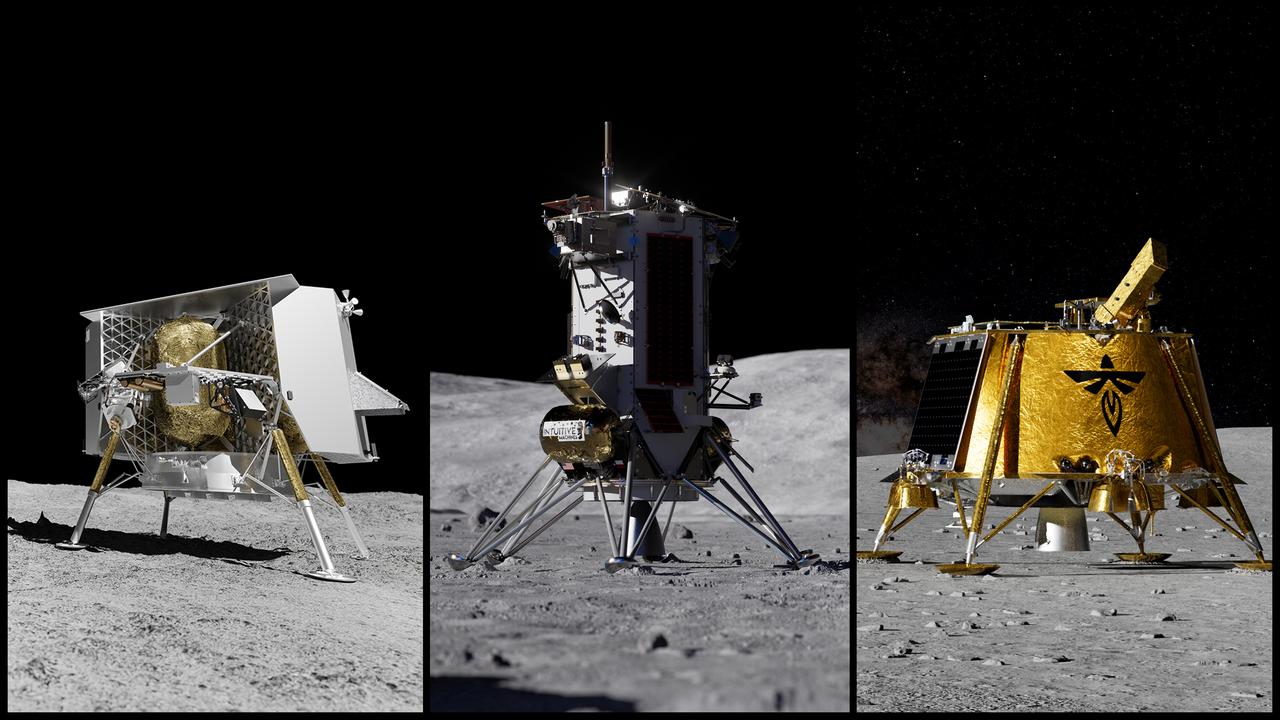
The three companies are tasked with delivering NASA payloads using updated versions of their previously flown lunar landers. These missions are slated to launch in late 2028 and are crucial components of NASA's broader agenda to establish a Moon Base, a stepping stone for future deep-space exploration.
Astrobotic has been awarded $297.9 million for two lunar deliveries. The company plans to use its Peregrine lander, which will also have space for additional commercial, governmental, academic, and international clients. This contract comes as Astrobotic is in the process of being acquired by Voyager, a deal that could potentially enhance its capabilities in the commercial space sector.
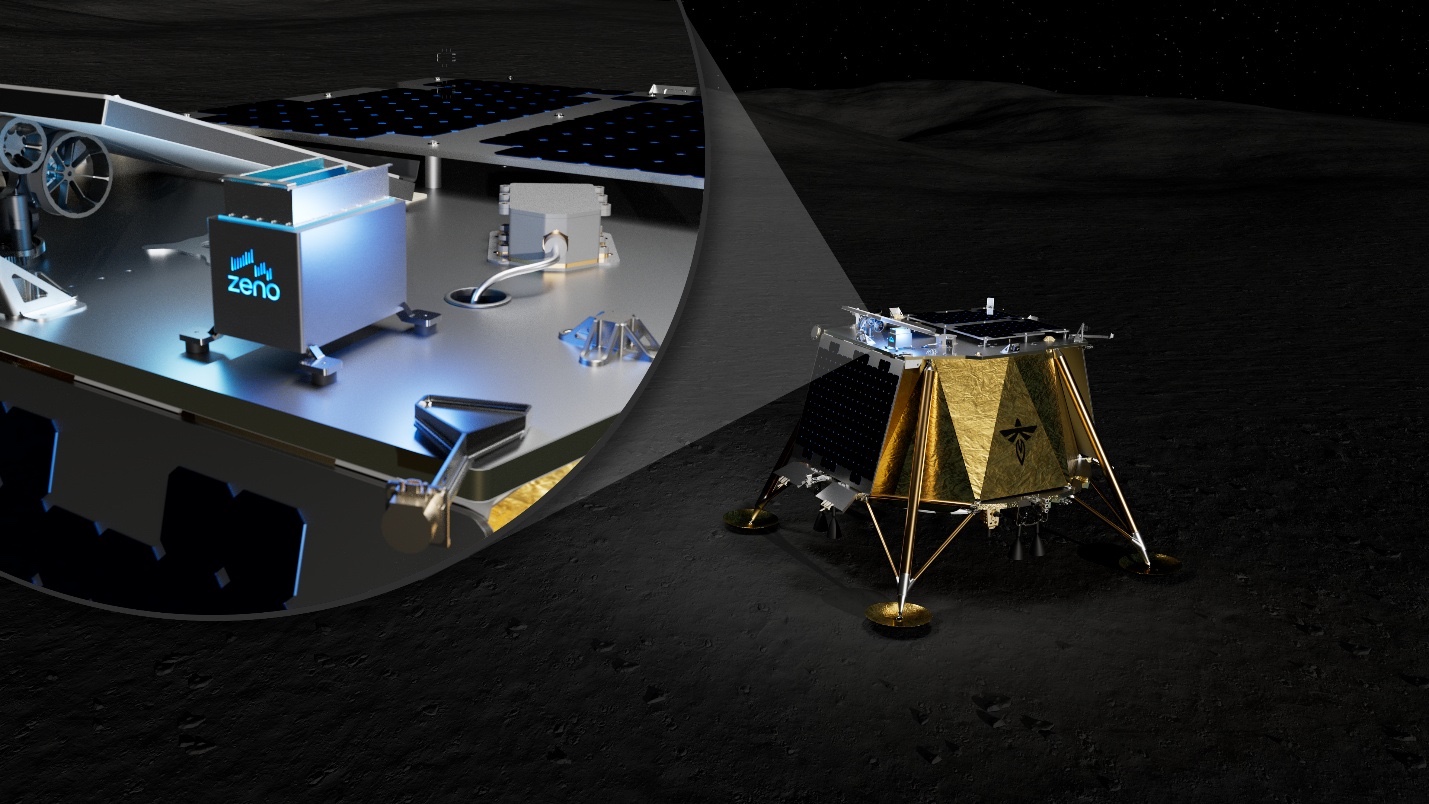
Firefly Aerospace, with a contract worth $144.2 million, will deploy its Blue Ghost lander for its sixth lunar mission. Recently, Firefly has expanded its technological capabilities by acquiring Space-ng, an autonomous space operations company specializing in AI-powered vision navigation and guidance systems.
Intuitive Machines, receiving $148.3 million, will also conduct one lunar delivery. These missions will carry three primary NASA payloads: a camera suite to study the effects of lunar lander exhaust on the moon's surface, a laser retroreflector array for precision measurements, and a radiation monitor to enhance our understanding of the lunar environment. NASA is also reviewing additional payloads that could be included in these missions.
Lori Glaze, associate administrator for NASA’s Human Spaceflight Mission Directorate, emphasized the strategic importance of these contracts, stating, “These new awards to our commercial partners demonstrate our commitment to accelerating our effort to build a long-term presence on the lunar surface, and give us more opportunity to develop the skills we need to prosper there.”
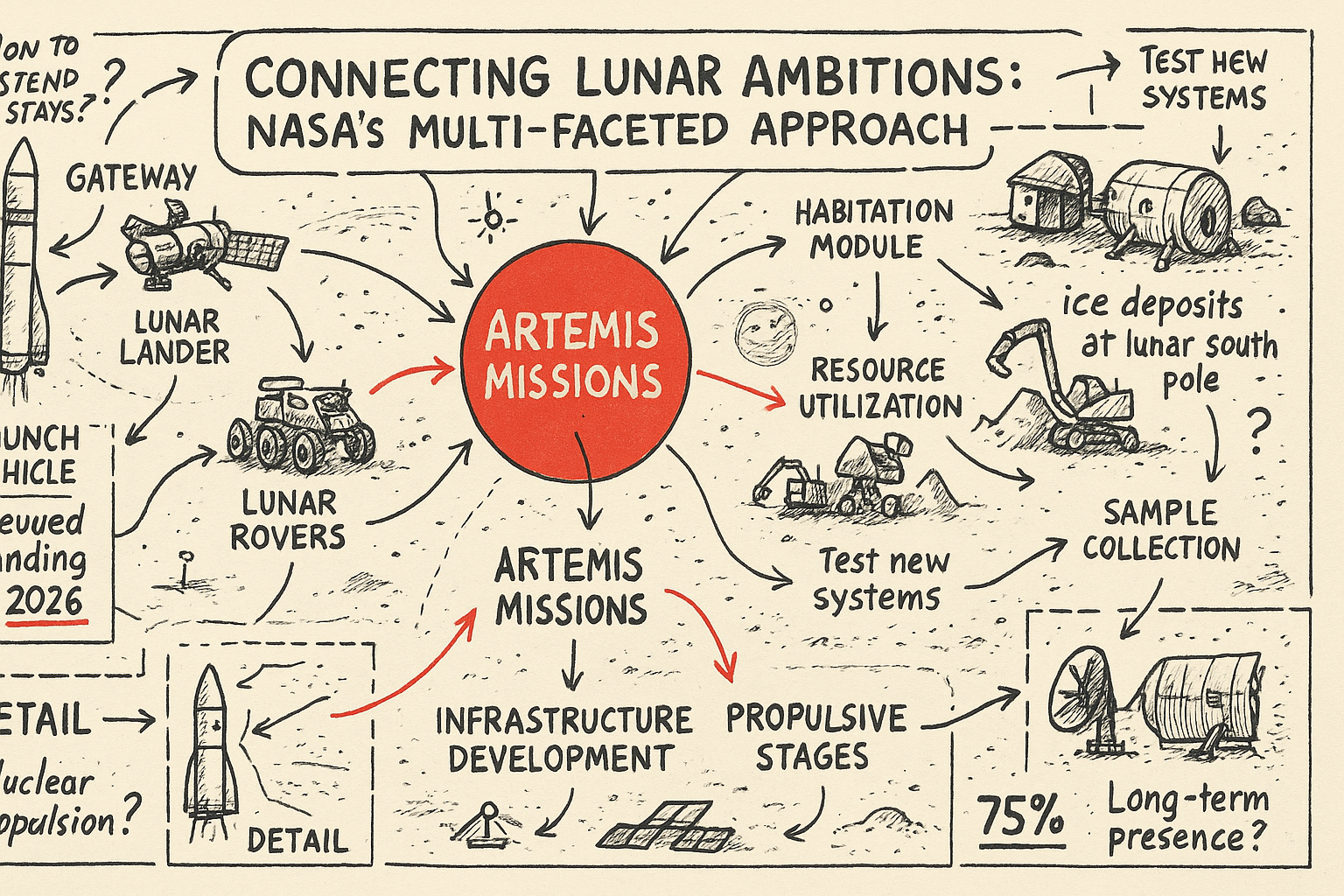
The CLPS initiative is a pivotal part of NASA's Artemis program, which aims to return humans to the Moon and establish a sustainable exploration strategy. These contracts not only support NASA's scientific and exploratory goals but also bolster the commercial space industry by fostering innovation and competition among private companies.
Historically, NASA has relied on its own spacecraft and launch vehicles for missions. However, the agency has shifted towards a model that leverages commercial partnerships to reduce costs and encourage the development of new technologies. The success of previous CLPS missions has demonstrated the viability of this approach, providing valuable data and experience that will inform future lunar and Martian endeavors.
Looking ahead, the implications of these contracts are profound. By 2028, the Moon could host an ongoing series of scientific experiments and technology tests, laying the groundwork for human exploration of Mars and beyond. The data collected from these missions will be instrumental in understanding the Moon's environment and assessing the feasibility of sustained human presence on its surface.
In summary, NASA's recent contracts with Astrobotic, Firefly Aerospace, and Intuitive Machines represent a strategic investment in lunar exploration and the commercial space sector. These missions will not only advance scientific knowledge but also pave the way for future human exploration of the solar system.