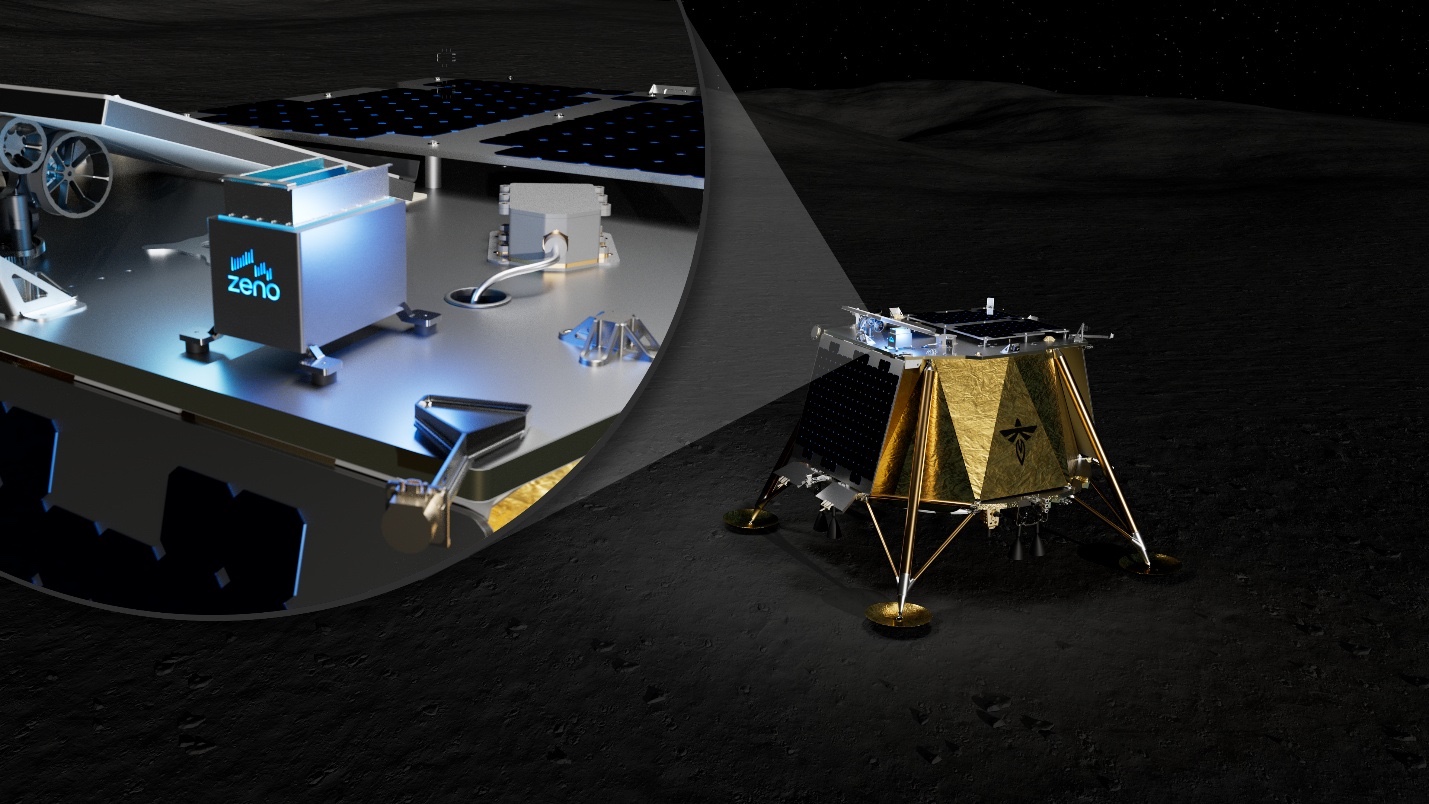
Firefly Aerospace is set to embark on a pioneering mission to the Moon with a payload developed by Zeno Power, aiming to address one of the most significant challenges faced by lunar explorers: surviving the harsh conditions of the lunar night. Scheduled for launch in 2028, the Blue Ghost lunar lander will carry a novel radioisotope heating unit (RHU) designed to maintain operations throughout the frigid lunar night.
This mission, announced on August 19, 2026, highlights the promising collaboration between the two companies in addressing the energy demands of future lunar exploration. The RHU, using americium-241 as its radioactive isotope, will generate approximately 5 watts of thermal energy. This energy is crucial for keeping the payload's components, including communications and power systems, operational during the lunar night when temperatures can plummet to minus 170 degrees Celsius.
According to Tyler Bernstein, CEO of Zeno Power, the primary objective of the mission is straightforward: to send a signal back to Earth after five days into the lunar night, confirming the system's functionality. This demonstration aligns with NASA's recent Commercial Lunar Payload Services (CLPS) task order, which incentivizes the demonstration of technologies capable of enduring the lunar night.
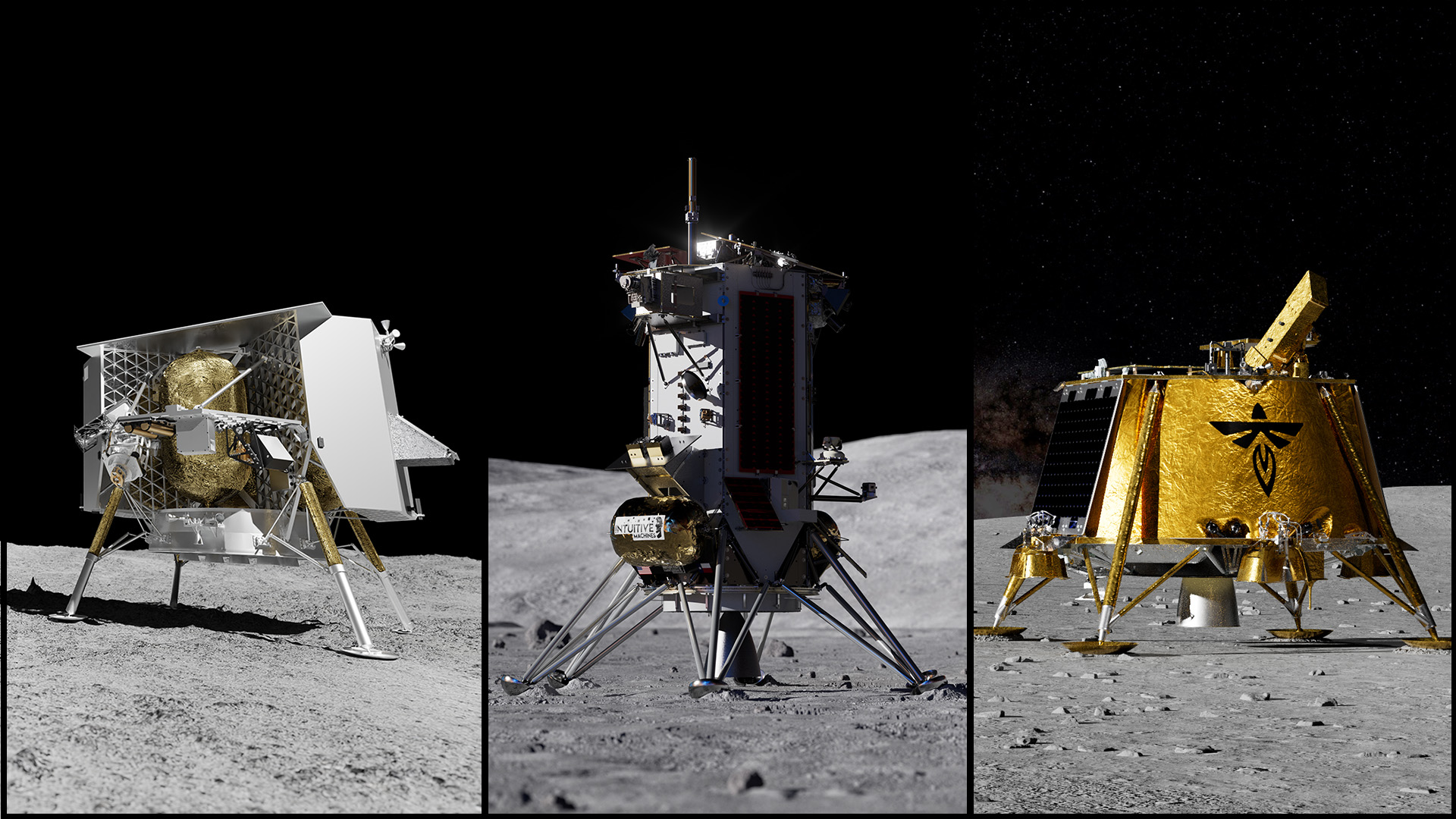
Firefly Aerospace was one of three companies selected for the CLPS task order in June, underscoring the growing importance of developing technology that can operate through multiple lunar days. As NASA continues to work on establishing a sustainable lunar base, solving the power problem becomes increasingly critical. Farah Zuberi, director of spacecraft mission management at Firefly, emphasized the importance of this demonstration in understanding the future landscape of lunar power systems. "There is that call for solving the power problem to support all the Moon Base initiatives that NASA has communicated to us," she stated.
While technical specifics regarding the Zeno Power package, such as its mass and volume, remain undisclosed, Bernstein mentioned that the RHU itself is about the size of a silver dollar. This mission marks a significant milestone for Zeno Power as it represents their first space mission and the inaugural deployment of this class of commercial radioisotope power sources.
The journey to deploying nuclear power sources in space is both a technological and regulatory endeavor. Bernstein highlighted the dual importance of proving the RHU's functionality and navigating the regulatory landscape. This mission will serve as a regulatory pathfinder, testing launch approval processes that have only recently been utilized with the launch of a City Labs satellite powered by a tritium battery.
The success of this demonstration could have far-reaching implications for both lunar exploration and commercial space ventures. By proving the viability of radioisotope heating units in the harsh conditions of the Moon, Firefly Aerospace and Zeno Power are not only advancing technological frontiers but also supporting NASA's broader objectives of establishing a permanent human presence on the Moon.
As the partnership between Firefly Aerospace and Zeno Power continues to develop, the insights gained from this mission could inform the design and implementation of future lunar infrastructure, paving the way for more resilient and self-sustaining lunar bases.