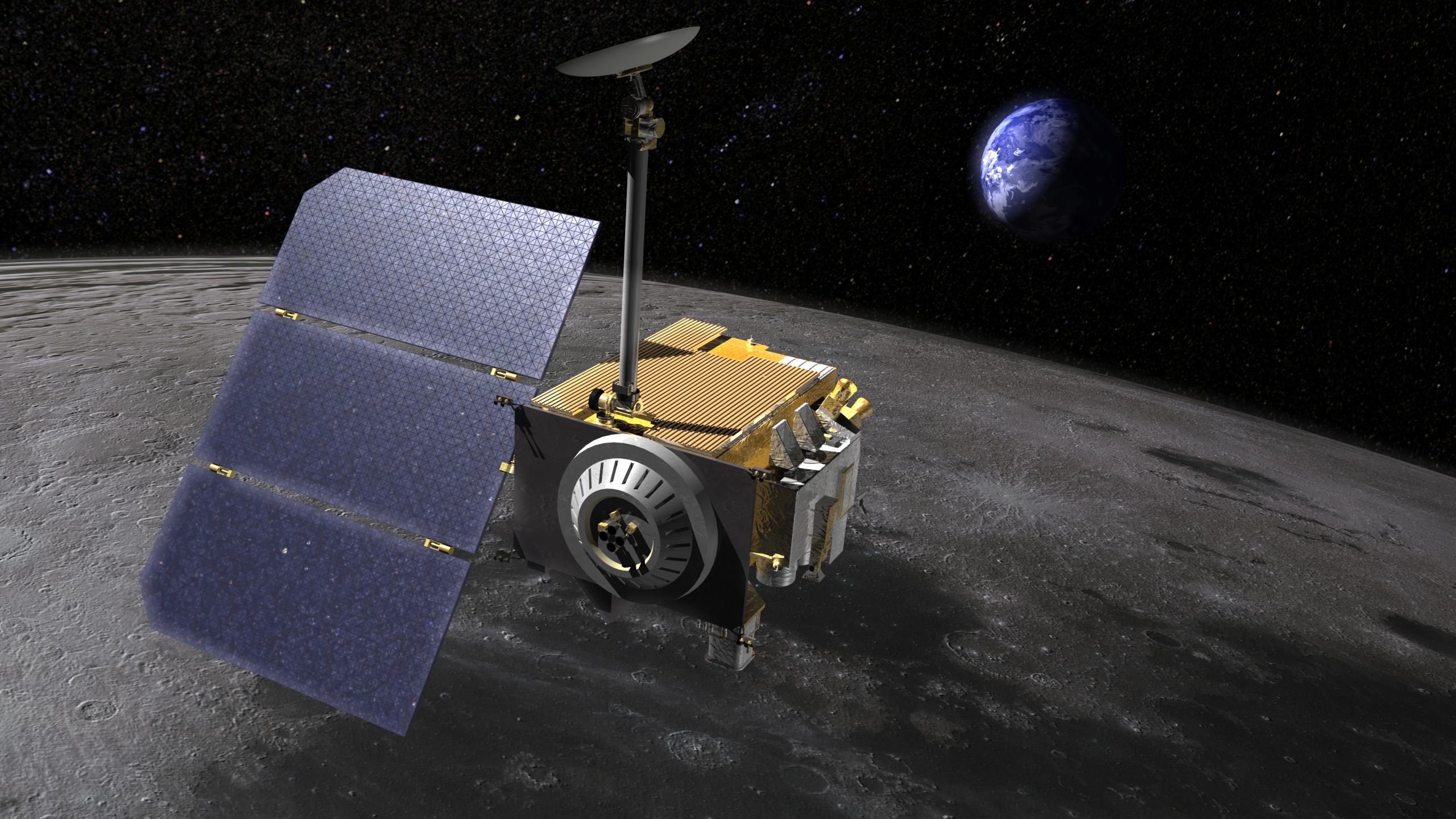
In a significant move for lunar exploration, NASA is set to award three new lunar missions this year under its Commercial Lunar Payload Services (CLPS) program. Among these missions is a much-anticipated orbiter tasked with replacing the aging Lunar Reconnaissance Orbiter (LRO), which has been orbiting the moon since its launch in 2009.
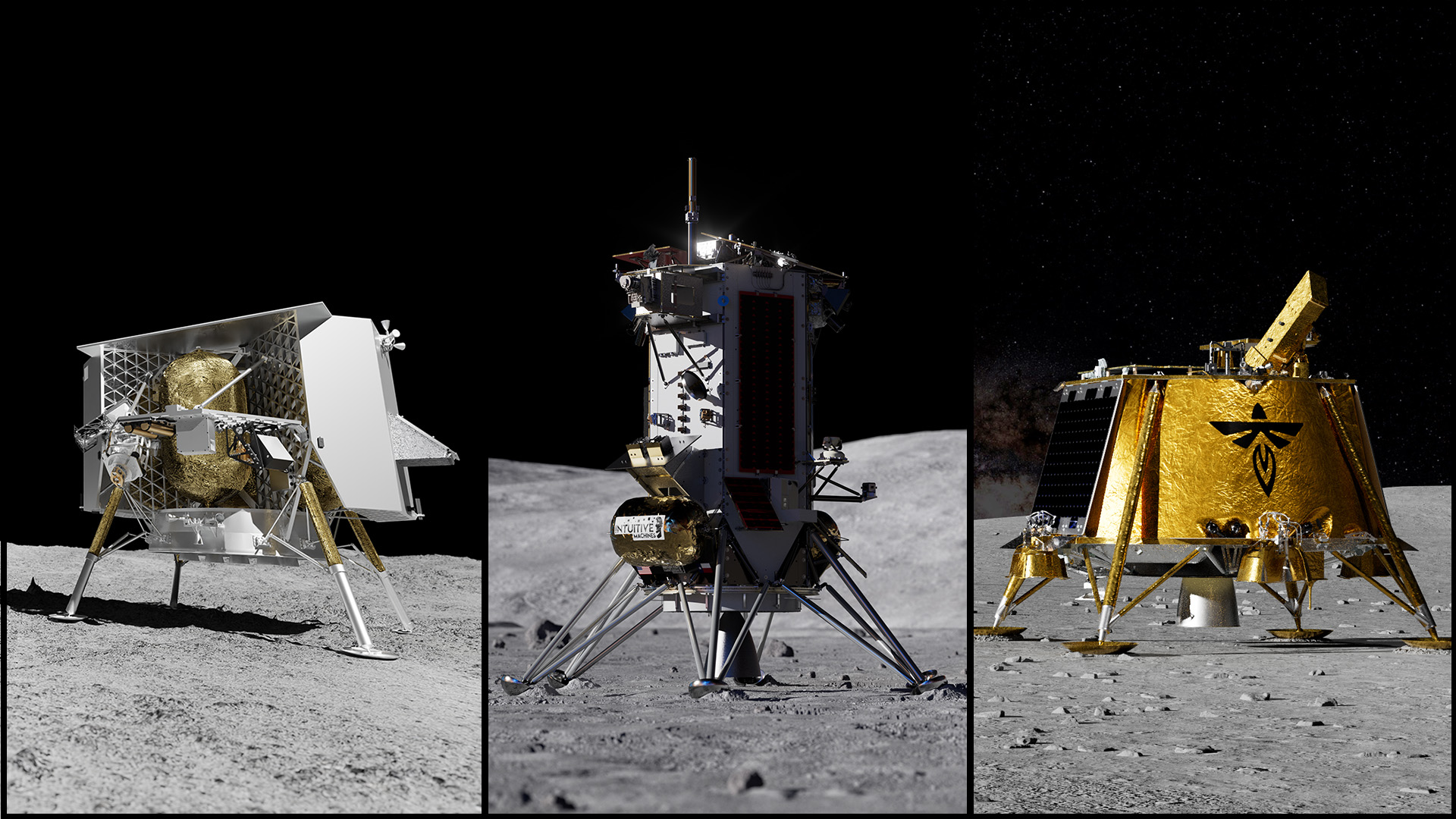
Firefly Aerospace and Intuitive Machines, two key players that have successfully landed spacecraft on the moon through the CLPS program, are poised to receive these task orders. These companies, during recent earnings calls, revealed NASA's plans to issue three task orders by the year's end. Two of these will be lander missions, continuing the program's focus since its inception in 2019, while the third will be an 'orbiter imaging service' as stated by Jason Kim, CEO of Firefly Aerospace.
Steve Altemus, CEO of Intuitive Machines, noted that the task order for the orbiter, expected to map the moon and replace the LRO, is likely to be awarded later this summer or early fall. This development marks an important step in continuing lunar science and supporting future lunar lander missions.
The LRO was developed during NASA's Vision for Space Exploration, an initiative launched two decades ago to return humans to the moon. Despite its continued functionality and an extended mission through 2028, the LRO's aging technology necessitates a modern successor equipped with advanced instruments. In 2022, the Lunar Exploration Analysis Group emphasized the need for a next-generation orbiter to maintain the momentum in lunar research and exploration.
While NASA has not disclosed detailed plans for the LRO's successor, the CLPS program is seen as a viable path forward. However, specifics about the upcoming task orders remain limited, and NASA has not yet released a source selection statement post-award, leading to some opacity in the program's current status.
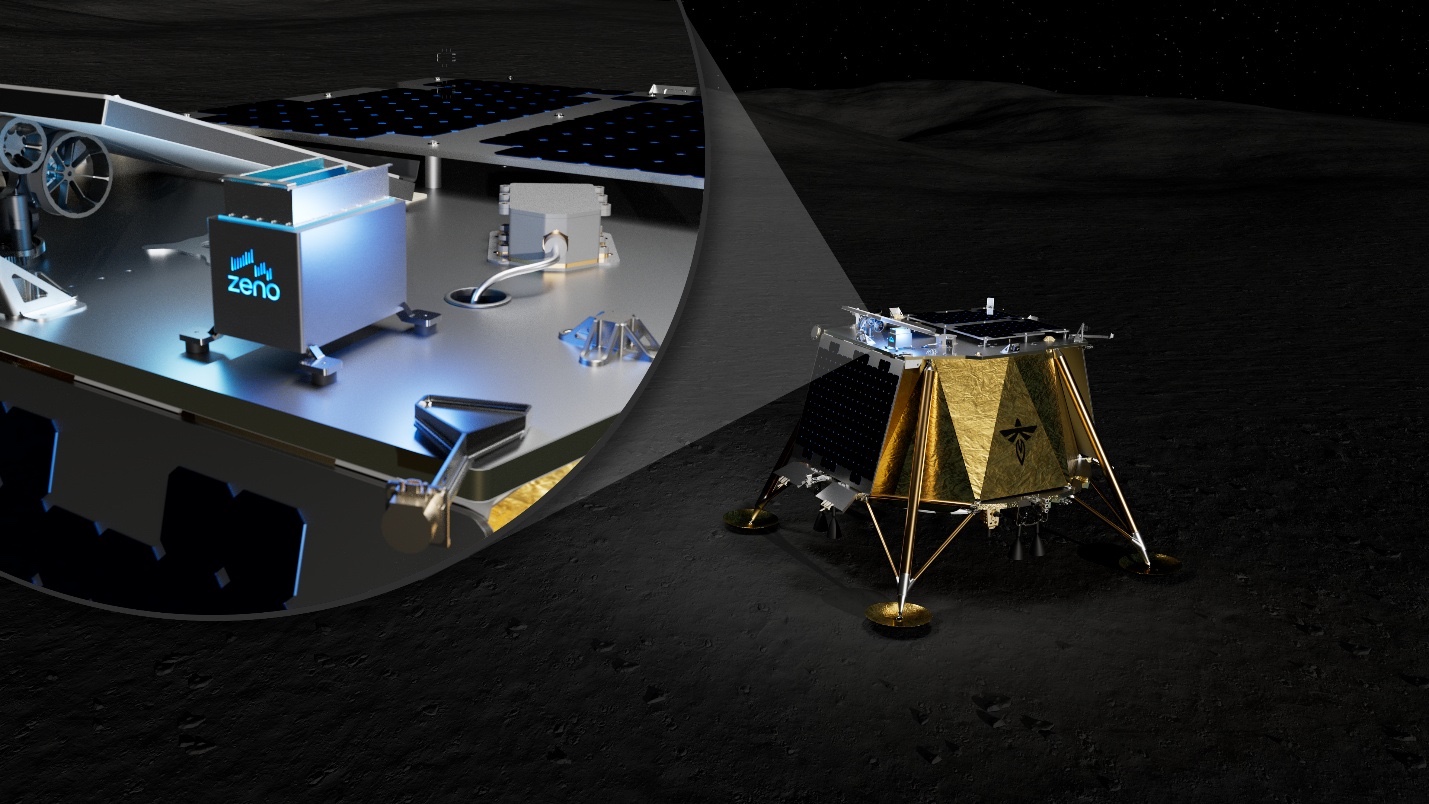
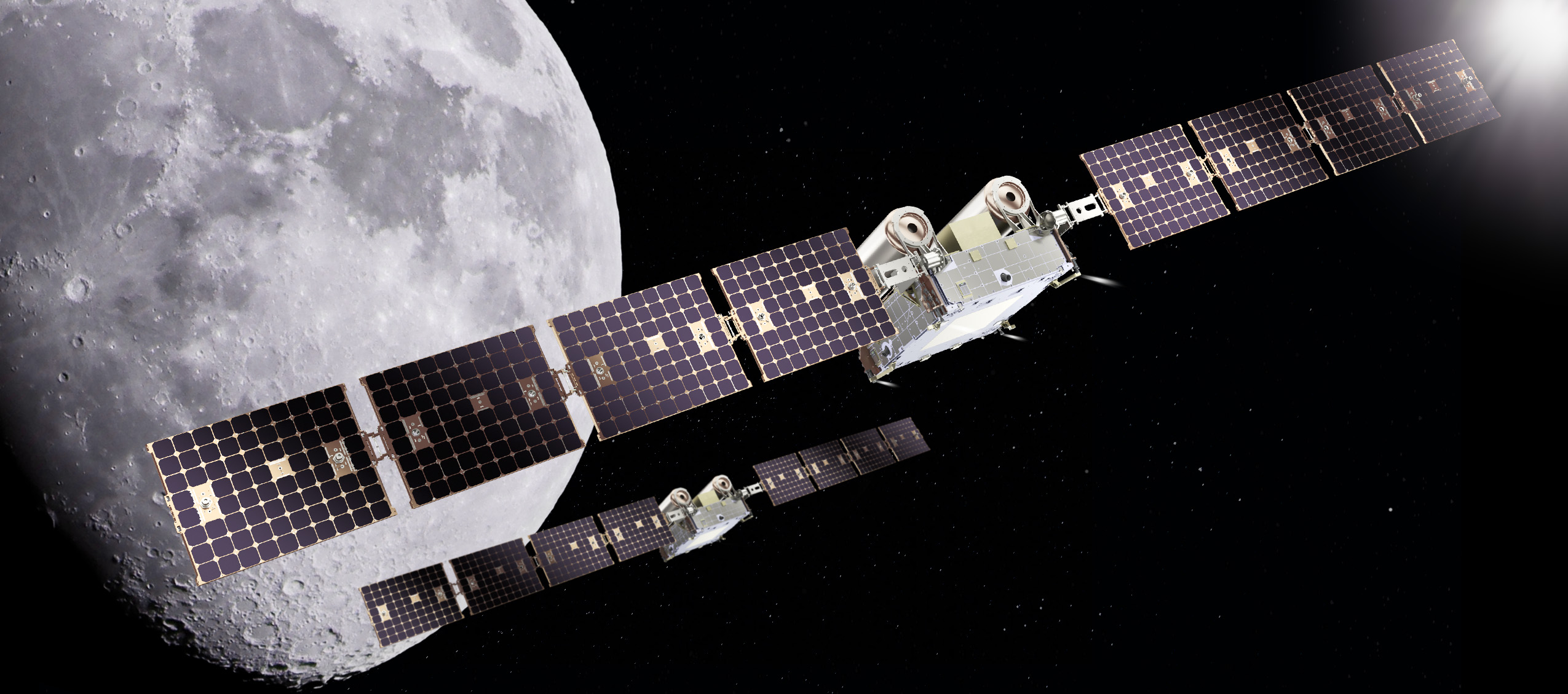
Both Firefly Aerospace and Intuitive Machines are strategically positioned to undertake this critical mission. Firefly announced its intention to develop a commercial lunar imaging service named Ocula in 2025. This service will utilize cameras on the company’s Elytra spacecraft, accompanying future Blue Ghost lander missions. Meanwhile, Intuitive Machines holds a NASA contract to manage operations for high-resolution cameras on the LRO and South Korea’s Danuri lunar orbiter.
The CLPS program, initiated in 2019, represents a shift in NASA's approach to lunar exploration, fostering partnerships with commercial entities to achieve scientific and exploration goals more efficiently. This public-private collaboration model aims to leverage the agility and innovation of private companies while benefiting from NASA's extensive experience in space exploration.
The upcoming lunar missions, particularly the deployment of a new orbiter, could significantly enhance our understanding of the moon's surface and environment. They are expected to deliver high-resolution imagery and data that will support both scientific research and future manned missions. As preparations for Artemis missions continue, having a robust observational capability around the moon will be crucial for planning and safety.
Looking ahead, these missions underscore NASA's commitment to sustained lunar exploration and its strategy of utilizing commercial partnerships to push the boundaries of what is possible in space exploration. As these tasks unfold, the global space community will be watching closely, eager to see the advancements and insights these missions will yield.