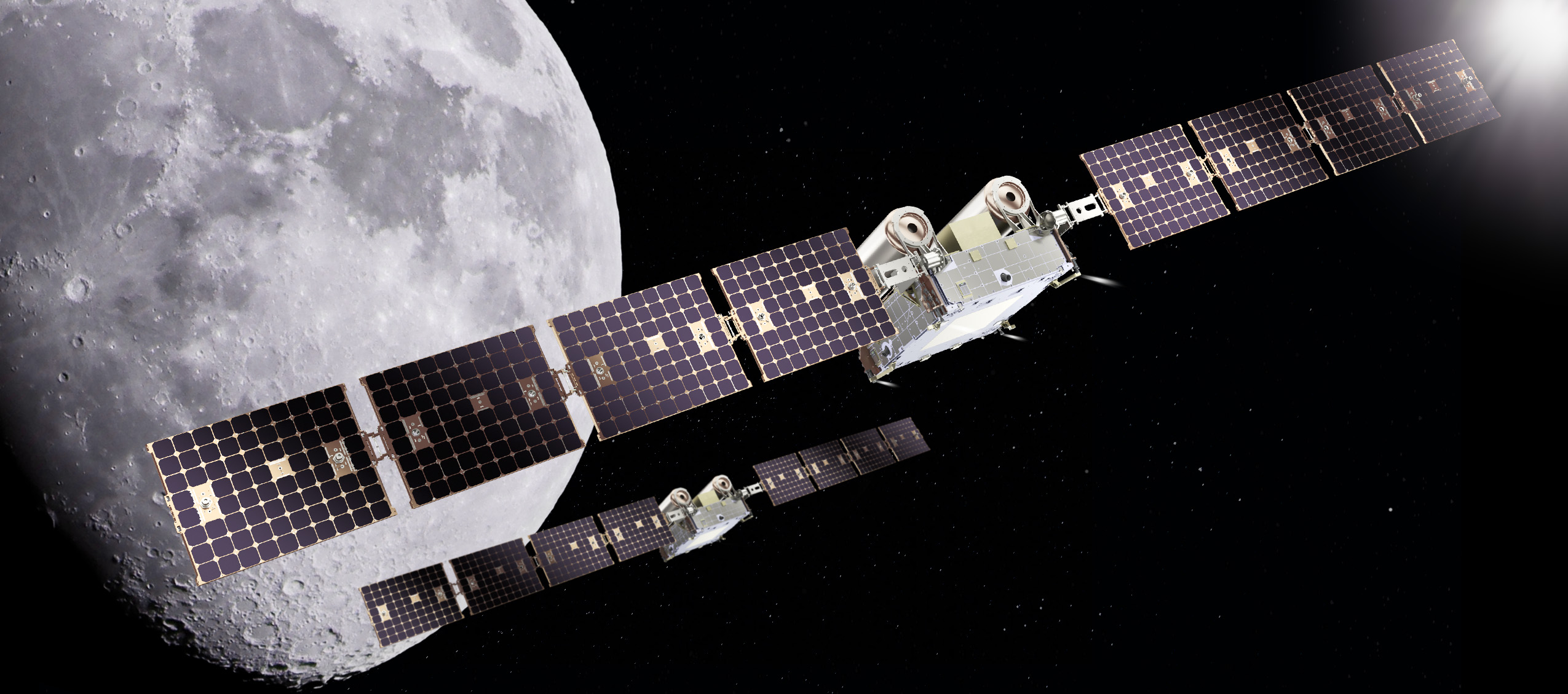
NASA has announced an ambitious new mission, CAPSTONE 02, aimed at testing critical technologies for future lunar exploration. Set to launch in 2027, this mission will build upon the success of the original CAPSTONE mission launched in 2022. The key objectives of CAPSTONE 02 include demonstrating autonomous navigation, communication systems, and sophisticated vehicle rendezvous maneuvers in the challenging environment of lunar orbit.
The CAPSTONE 02 mission involves deploying two small satellites, developed by Terran Orbital Systems, which will operate in tandem in lunar orbit. These satellites are tasked with executing controlled approaches, formation flying, and rendezvous maneuvers, thereby simulating the complex operations required for future crewed lunar missions under NASA's Artemis program. The mission's primary contractor, Advanced Space, has been tasked with ensuring the mission's success and its alignment with NASA's broader goals for lunar exploration.
Historical Context and Progress from CAPSTONE
The original CAPSTONE mission, launched in 2022, marked a significant milestone as the first U.S. commercial mission to operate in a near-rectilinear halo orbit (NRHO) around the Moon. This orbit is of particular interest to NASA as it has been chosen for the Lunar Gateway, a planned space station intended to serve as a staging point for lunar surface expeditions. CAPSTONE's success in testing navigation and communication technologies in the cislunar environment laid the groundwork for more complex mission profiles.
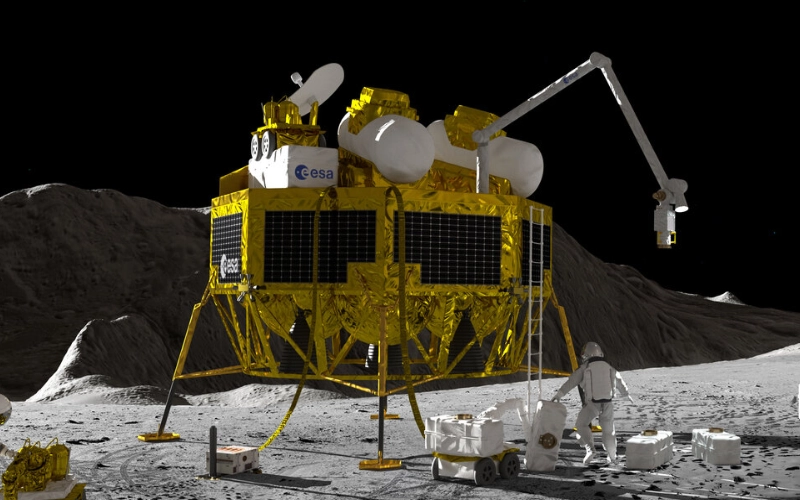
CAPSTONE 02 will extend this work by moving beyond simple orbital demonstrations to more intricate operations crucial for Artemis missions. One of the most challenging aspects of lunar missions is the rendezvous between spacecraft in lunar orbit. For instance, the Orion capsule will need to dock with lunar landers to transfer astronauts to the Moon's surface. Unlike operations in Earth's orbit, lunar rendezvous must account for the combined gravitational influences of both Earth and the Moon, making precise navigation and control essential.
Implications for Future Lunar Missions
The technologies validated during CAPSTONE 02 are expected to play a crucial role in supporting the Artemis program. These technologies will aid in the development of cislunar infrastructure, which includes not only the Lunar Gateway but also other orbital assets necessary for sustained lunar exploration and eventual habitation. The mission's success could pave the way for increased autonomy in spacecraft operations, reducing the need for constant ground control intervention and enhancing mission safety and efficiency.
Furthermore, CAPSTONE 02's outcomes will provide valuable data to optimize the performance of spacecraft operating in the unique conditions of lunar orbit. This knowledge is essential for NASA's ambitious plans to establish a sustainable human presence on the Moon and, eventually, to use the Moon as a stepping stone for exploration deeper into the solar system.
Conclusion
As NASA continues to build momentum towards its lunar ambitions, missions like CAPSTONE 02 are critical in testing and validating the technologies that will make these goals achievable. By demonstrating advanced navigation and rendezvous capabilities, CAPSTONE 02 will contribute significantly to our understanding and mastery of operations in the lunar environment. This mission marks another step forward in humanity's journey to explore and utilize the Moon as a gateway to the cosmos.