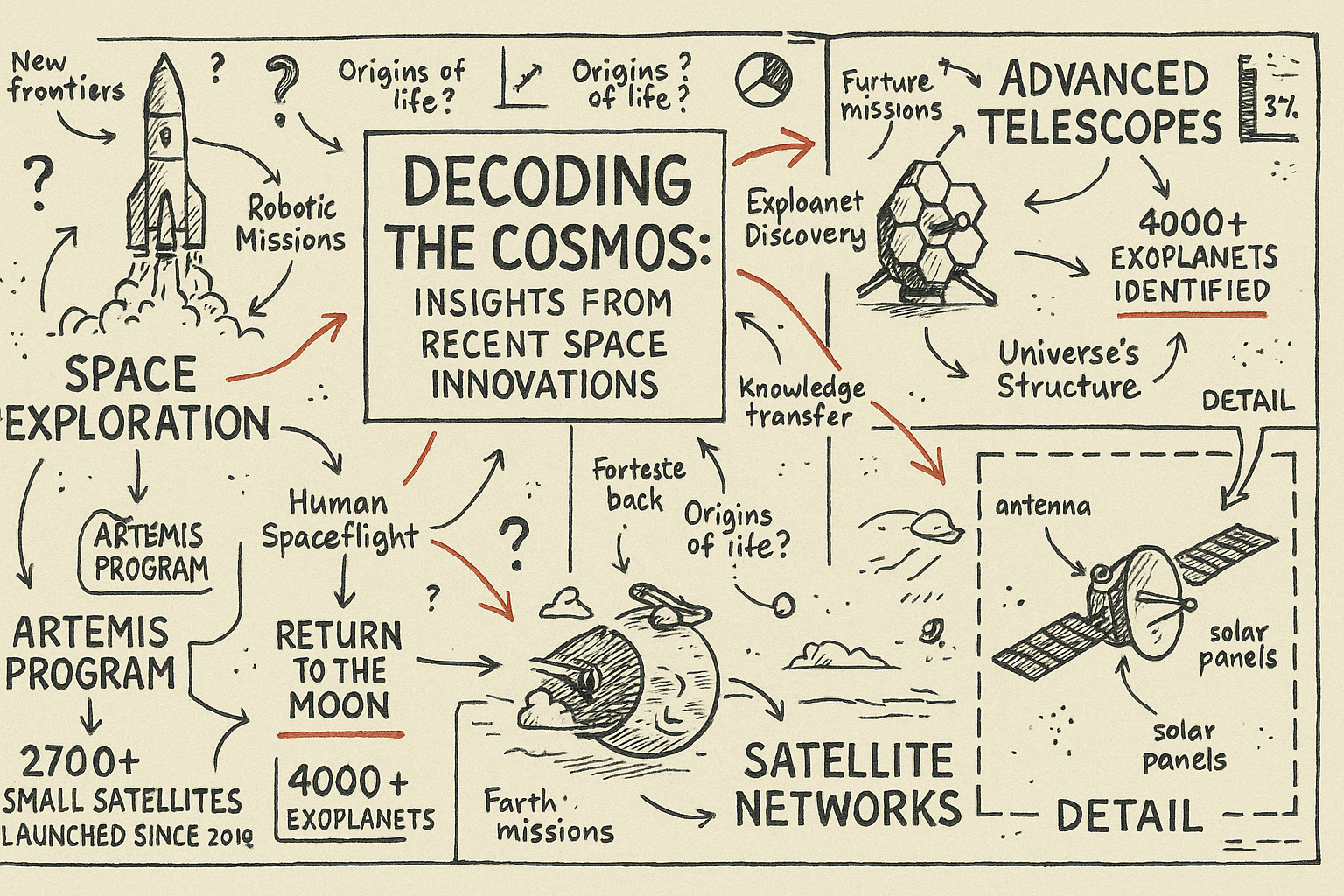
In the ever-evolving quest to understand the cosmos, recent advancements in space technology offer tantalizing glimpses into the future of space exploration. From mapping the edge of space to deploying minuscule probes in Saturn's rings, these initiatives underscore a pivotal shift in how we approach space research and exploration.
Mapping the Ignorosphere
NASA's innovative approach to mapping the 'ignorosphere'—the elusive boundary between Earth's atmosphere and outer space—represents a leap in atmospheric science. By deploying microscopic tracers that float on sunlight, scientists aim to gather unprecedented data on this poorly understood region. This effort could fill significant gaps in our understanding of atmospheric dynamics, potentially revolutionizing weather prediction and satellite navigation.
Interworld Slingshot: Navigating Solar System Resources
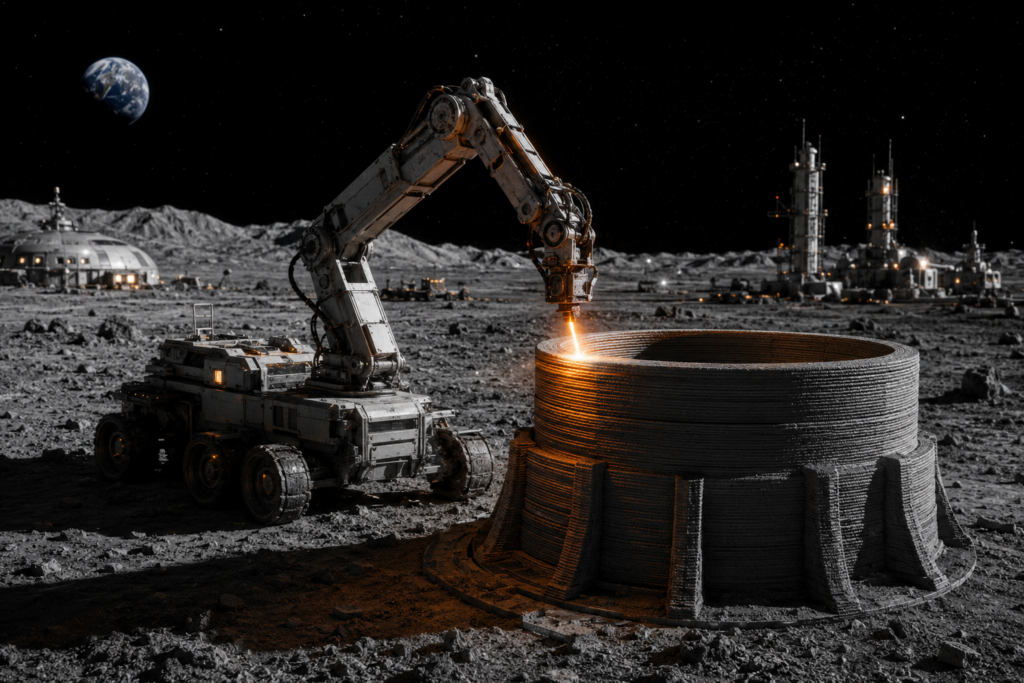
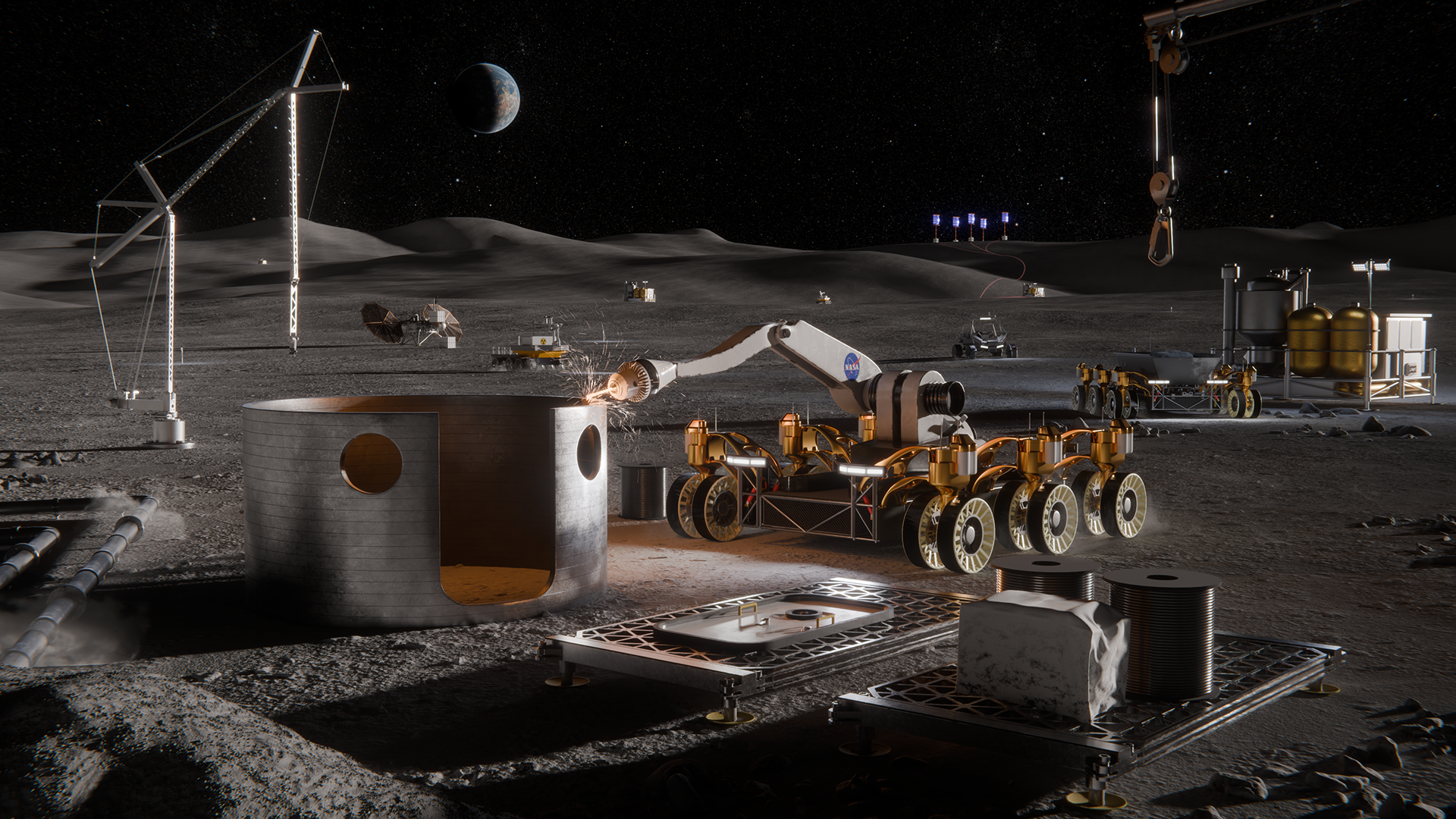
The 'Interworld Slingshot' concept funded by NASA outlines an ambitious plan to map solar system resources, crucial for future human expansion. In-situ Resource Utilization (ISRU) promises a sustainable approach to extraterrestrial colonization by identifying and utilizing local resources. This initiative is a crucial step towards reducing dependency on Earth-based resupply missions, making prolonged space habitation feasible.
High-Altitude Observations: A Closer Look at the Solar Corona
Recent developments also highlight the benefits of high-altitude observatories. Using NASA's WB-57 aircraft, scientists successfully captured detailed imagery of the solar corona during an eclipse, despite cloud cover. This achievement illustrates the potential of airborne platforms to bypass atmospheric interference, offering clearer views of celestial events otherwise obscured from ground-based observatories.
Exploring Saturn's Rings Up Close
Nasa's Cassini mission paved the way for deeper exploration of the Saturnian system, yet the gas giant's rings remain largely unexplored. The proposal to deploy thousands of tiny probes into Saturn's rings promises to unlock secrets of their composition and formation. These probes could gather in-situ data otherwise inaccessible, providing insights into planetary ring dynamics and evolution.
Tracking Satellites Beyond Earth's Orbit
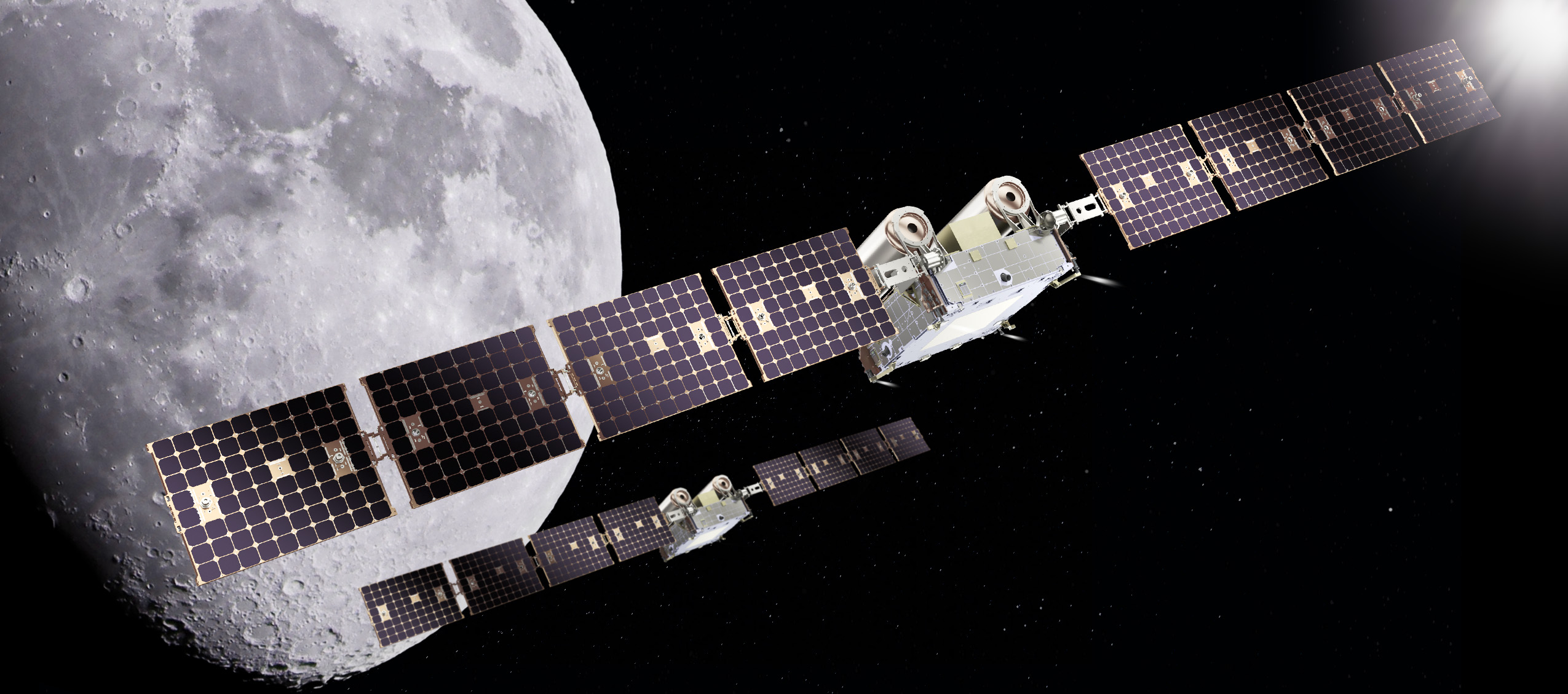
As human activity extends beyond near-Earth orbit, the challenge of tracking satellites becomes increasingly complex. New methods are being developed to enhance situational awareness of these distant objects. Effective satellite tracking not only ensures operational safety but also protects vital space infrastructure from collisions and debris impacts.
Public Data for Atmospheric Mapping
Leveraging public Starlink satellite data for mapping Earth's upper atmosphere presents a novel approach to addressing orbital congestion. Understanding atmospheric density at higher altitudes is essential for predicting satellite trajectories and avoiding collisions. This initiative exemplifies how public-private partnerships can drive innovative solutions to emerging space challenges.
These diverse initiatives highlight a common thread: the drive to enhance our understanding of the cosmos through technological innovation. By expanding our knowledge of atmospheric dynamics, resource mapping, and satellite tracking, we are paving the way for a new era of space exploration.