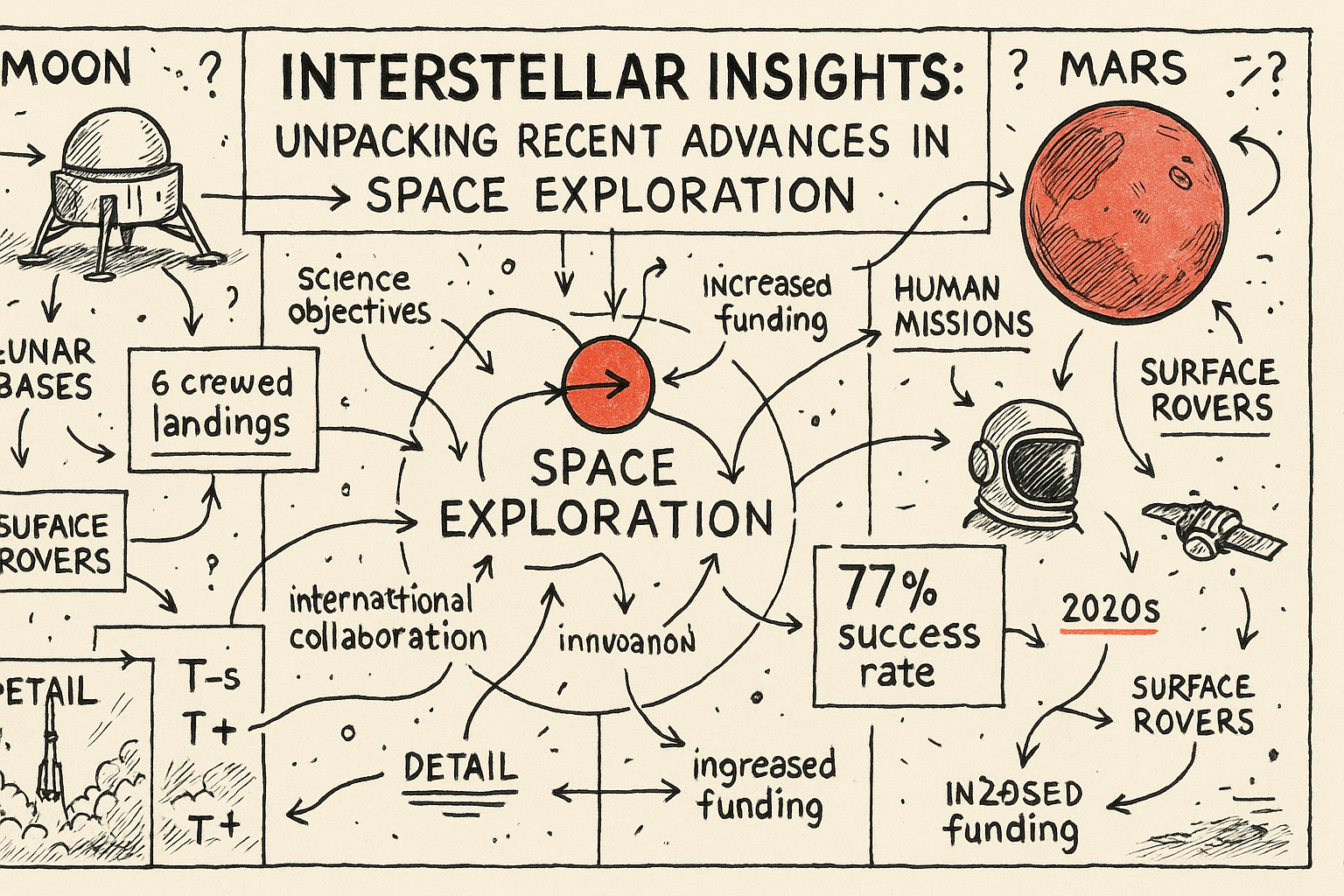
The relentless pursuit of knowledge beyond our planet continues to unveil both profound insights and unexpected challenges. Recent advancements in space exploration highlight not only the scientific wonders that await us but also the pragmatic hurdles that must be overcome. This analytical piece connects the dots between recent discoveries and innovations, providing a comprehensive understanding of what lies ahead in our cosmic endeavors.
Microbial Life on the Moon: A Double-Edged Sword
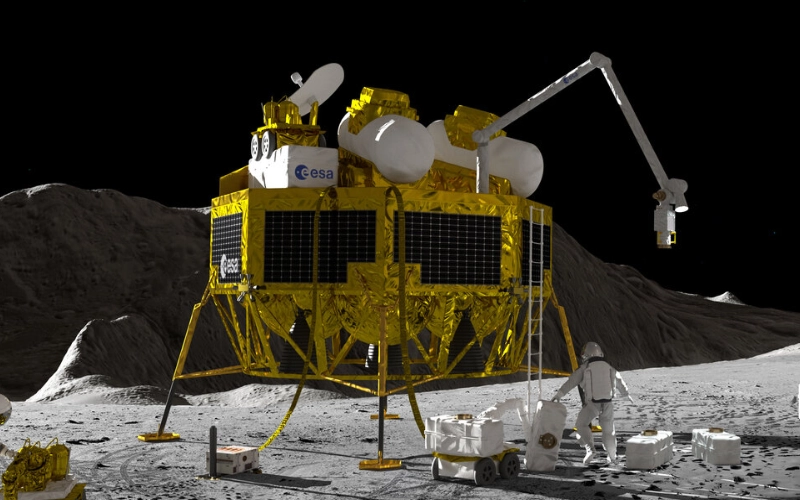
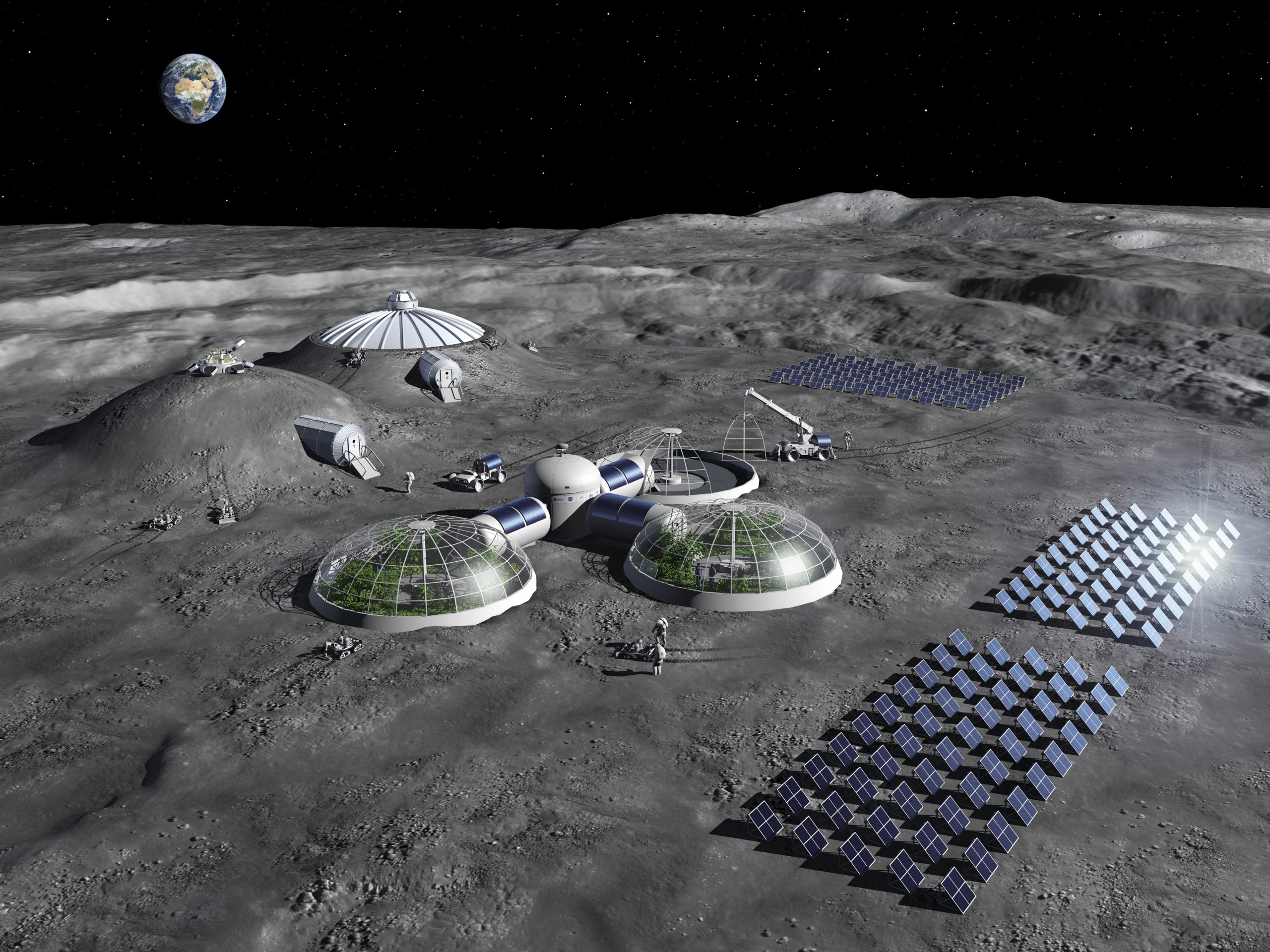
NASA's recent warnings about the potential for Earth-borne microbes to survive on the Moon's South Pole bring new urgency to the issue of planetary protection. The possibility that these microbes could thrive in the Moon's shaded regions poses a dual challenge: the risk of forward contamination and the ethical implications of altering extraterrestrial environments. Historically, space missions have strictly adhered to protocols designed to prevent contamination. However, as we plan more frequent missions, these protocols face unprecedented tests.
Interestingly, the Moon, often seen as a barren rock, could serve as a time capsule for cosmic events. According to a study by the University of Hawaii, the lunar soil contains remnants of distant supernovae, offering a unique archive of cosmic history. This finding underscores the Moon's value not just as a launchpad for further exploration, but as a scientific treasure trove.
Martian Dust: A Breath of Caution
While lunar exploration presents its own set of challenges, Mars poses a different kind of threat. NASA's recent report on Martian dust highlights the need for stringent health standards to protect astronauts from inhaling potentially harmful particles. This is not just a theoretical concern; it is a practical imperative that influences the design of spacecraft, habitats, and protective gear. The timeline for sending humans to Mars may be distant, but the preparations are already underway, emphasizing the complexity of interplanetary travel.
Technological Innovations: Rovers and Radiation Protection
In the realm of technological advancements, NASA's initiative to deploy autonomous rovers on the Moon marks a significant step forward. These rovers, capable of independent decision-making, represent a leap in robotic exploration, reducing the need for constant human oversight. This innovation is crucial for maximizing the efficiency and reach of lunar missions.
In tandem with robotic advancements, human safety in space remains a paramount concern. A recent study on radiation vests tested during NASA's Artemis mission suggests they could significantly reduce astronauts' exposure to harmful solar radiation. This development is crucial, especially as missions extend beyond Earth's protective magnetosphere into deeper space.
Future Implications: Balancing Exploration and Ethics
The insights and challenges emerging from recent research prompt a reevaluation of our strategies in space exploration. As we push the boundaries of human presence in space, we must balance the drive for discovery with a commitment to ethical stewardship of other worlds. The preservation of extraterrestrial environments, protection of astronaut health, and leveraging of technological innovations are interlinked priorities that will define the future of space exploration.
As we ponder these complexities, one surprising insight emerges: the Moon, often seen as Earth's lesser sibling in the cosmic dance, could play a pivotal role in shaping our understanding of the universe and our place within it. Its soil, a repository of cosmic echoes, and its potential vulnerabilities to human presence, remind us that every step in space must be measured not just by the knowledge gained, but by the responsibility we uphold.