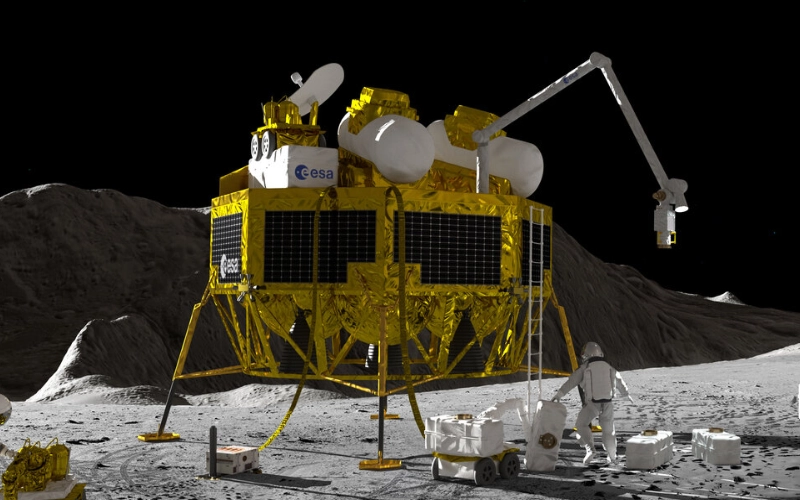
As humanity looks beyond Earth to explore the Moon and deeper regions of space, one of the biggest challenges is the harsh, cold environment these missions must endure. With temperatures in permanently shadowed lunar craters reaching a bone-chilling minus 248 degrees Celsius, traditional power sources like solar panels and chemical batteries become ineffective. To address this, Canadensys Aerospace and Canadian Nuclear Laboratories (CNL) have announced a joint initiative to develop tritium-based heating units for lunar and deep space missions.
Canada holds a unique position in the global nuclear landscape as the leading producer of tritium, an isotope of hydrogen that is generated as a byproduct in CANDU nuclear reactors. This abundant domestic supply forms the backbone of the new collaboration between Canadensys and CNL, which aims to create a sustainable and reliable heating solution for space missions. Unlike other radioactive materials like plutonium and americium traditionally used in space technologies, tritium emits weak radiation that is unable to penetrate human skin, making it safer and easier to handle.
The application of tritium in space technology is not entirely new. For instance, glow-in-the-dark wristwatches have utilized sealed tritium to safely illuminate dials for years. This safety profile simplifies the integration of tritium-powered heating units into commercial rockets and spacecraft, marking a significant step forward in the development of space technology. The new heating units are expected to play a critical role in keeping spacecraft avionics operational in extremely cold environments.
This innovation comes at a time when the demand for autonomous and durable space technology is increasing. NASA, for example, has invested in research for tritium-powered sensors that can autonomously map water ice at the lunar south pole, an area where solar energy is insufficient. The recent launch of a small satellite named BOHR by City Labs aboard the SpaceX Transporter-17 mission further demonstrates the potential of tritium technology. The satellite carries a betavoltaic battery, showcasing the capability of private companies to safely operate tritium-powered systems in space.
Christian Sallaberger, CEO of Canadensys, emphasized the strategic importance of this collaboration. He stated, "We are excited to leverage Canada’s experience and supply of tritium to bring to market a key enabling system for lunar and planetary missions, where keeping the central avionic elements warm is often a critical challenge." This partnership not only enhances Canada's role in space exploration but also creates a promising export opportunity for Canadensys.
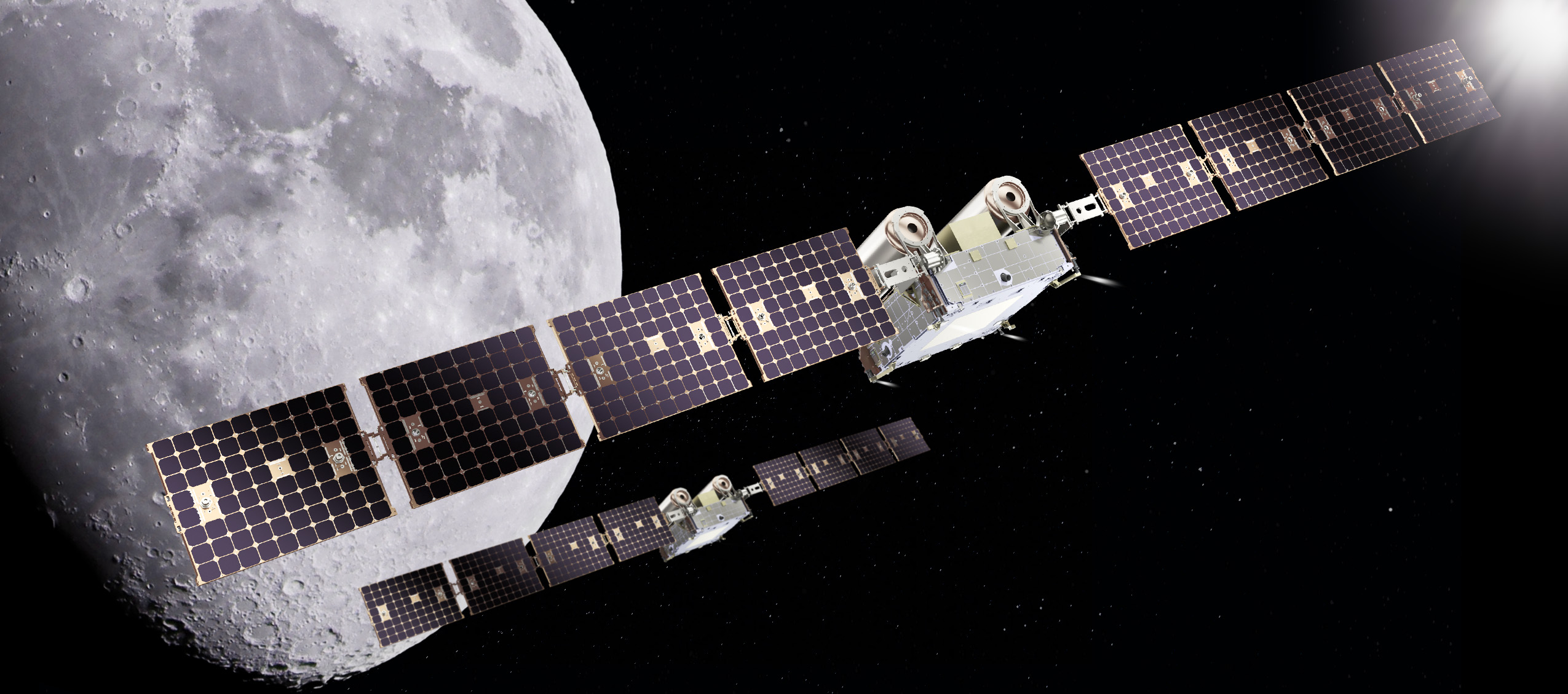
The implications of this technology extend beyond immediate space missions. As NASA prepares for a sustained human presence on the Moon, reliable and autonomous systems become crucial. Technologies such as NASA’s CAPSTONE, which focuses on autonomous navigation and communication in lunar orbit, highlight the increasing need for innovation in space infrastructure. The development of tritium-based heating units could complement these efforts by providing a dependable power source in the harsh lunar environment.
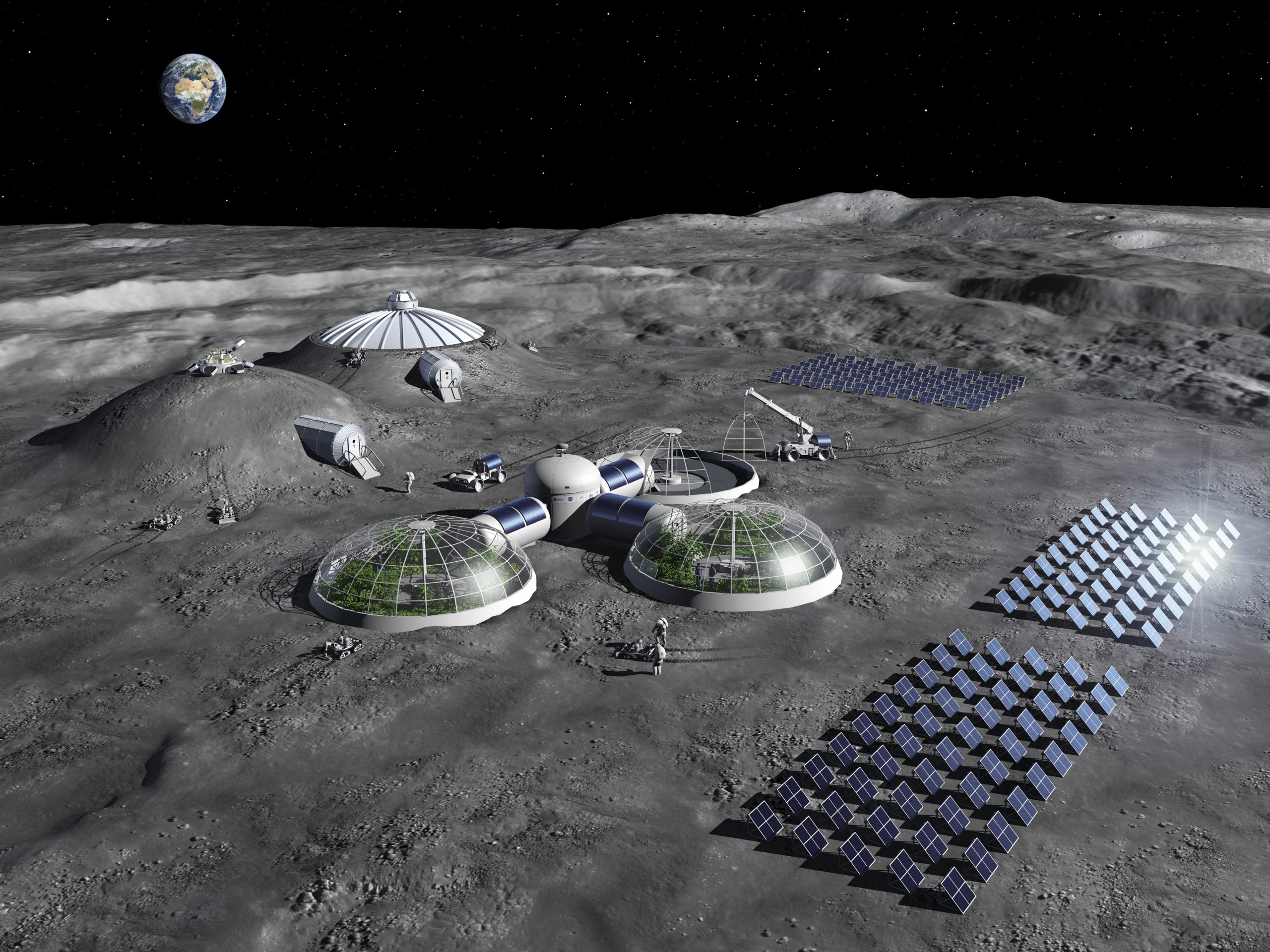
Moreover, NASA's call for industry involvement in building lunar infrastructure underscores the importance of partnerships like that of Canadensys and CNL. As the Moon becomes a focal point for space exploration, the development of sustainable and efficient technologies will be pivotal in achieving long-term goals of lunar habitation and, eventually, deeper space exploration.
The Canadensys-CNL collaboration represents a significant milestone in the quest to overcome the challenges posed by the extreme conditions of space. By harnessing Canada's nuclear expertise and abundant tritium supply, this initiative not only advances technological capabilities but also positions Canada as a key player in the future of space exploration.