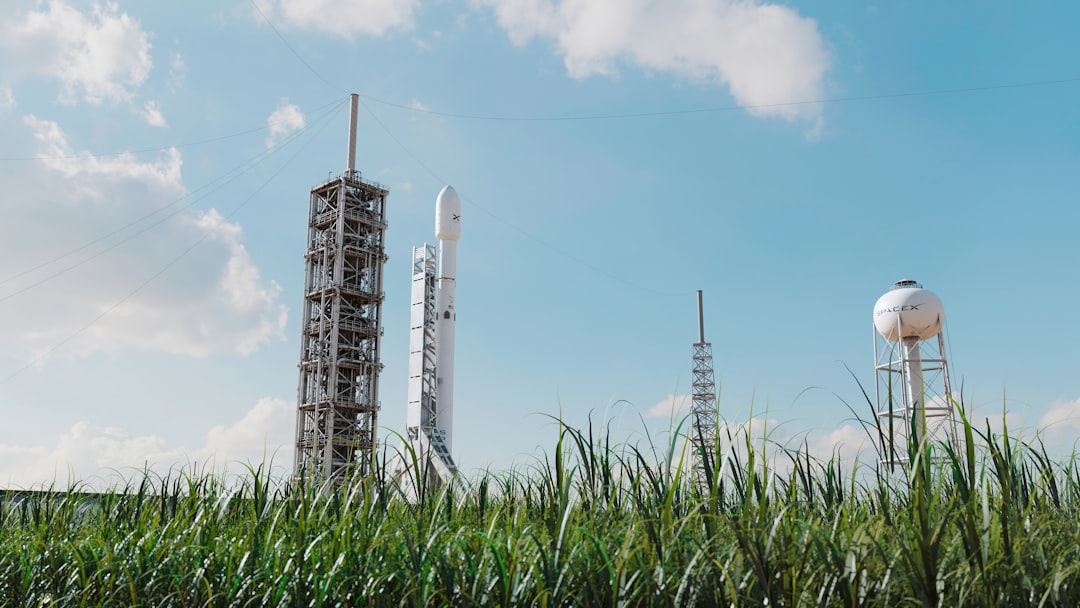
SpaceX, the private aerospace company founded by Elon Musk, has achieved a major milestone with the first launch of its upgraded Starship V3. This new version of the spacecraft is integral to SpaceX's ambitious future goals, which include missions to Mars and beyond. The launch, while largely successful, highlighted both the potential and the challenges of the technology.
The Starship V3's maiden flight took place recently, aiming to test the enhanced capabilities of the spacecraft. This version represents a significant upgrade from its predecessors, incorporating advanced materials and systems designed to improve efficiency and performance. These upgrades are crucial for SpaceX's planned deep space missions, which demand robust and reliable spacecraft.
Despite the successful launch, the mission experienced a setback when the booster failed to return safely. The booster, a critical component of the launch system designed for reuse, was lost during its attempted recovery. This incident underscores the complexities involved in reusability, a key factor in reducing the costs of space travel. SpaceX has been a pioneer in developing reusable rocket technology, and while this setback is notable, it provides valuable data that will guide future improvements.
SpaceX's development of the Starship V3 is part of its broader strategy to revolutionize space travel. The company envisions a future where missions to the Moon, Mars, and even further destinations are not only feasible but routine. The Starship V3 is designed to carry both crew and cargo, making it a versatile vehicle for a variety of missions. Its success is critical for SpaceX's long-term vision.
The loss of the booster highlights the challenges that remain in achieving fully reliable reusable technology. Each launch and recovery attempt provides SpaceX with insights into the performance of its systems, informing iterative improvements. This approach of rapid iteration and learning from setbacks is a hallmark of SpaceX's development philosophy.
While the setback with the booster is a reminder of the hurdles in space exploration, the overall success of the Starship V3 launch is a positive indicator of the progress being made. The advancements in spacecraft design and the ongoing refinement of reusability technologies are crucial steps toward making space travel more sustainable and accessible.
As SpaceX continues to refine its technologies, the lessons learned from each mission contribute to the broader goals of reducing costs and increasing the frequency of space travel. The Starship V3 launch, despite its challenges, is a testament to the company's commitment to pushing the boundaries of what is possible in space exploration.