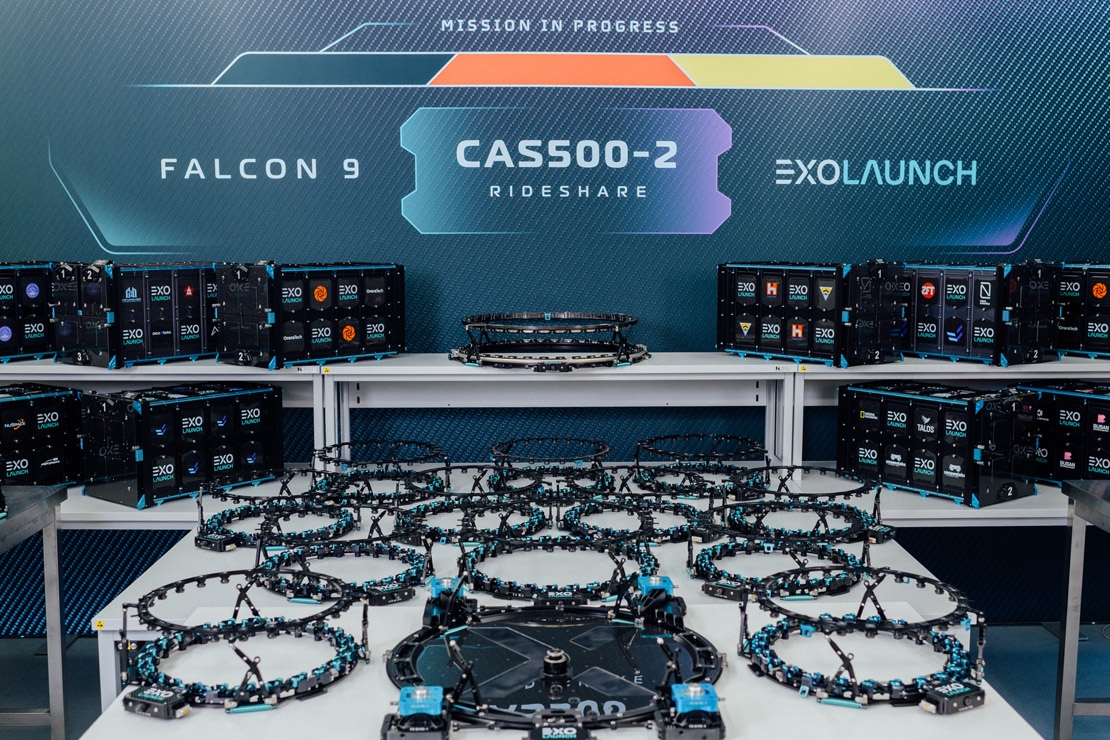
In a significant move within the space industry, EQT, a renowned private equity firm, has announced its acquisition of Exolaunch. This acquisition is a strategic step aimed at addressing the growing demand for satellite rideshare launches. Exolaunch, a company that has successfully managed the rideshare launches of hundreds of satellites, is now poised for further expansion under EQT's ownership.
Understanding the Rationale Behind the Acquisition
Satellite rideshare launches have become an increasingly popular method for deploying small satellites into orbit. This approach involves multiple satellites sharing a single launch vehicle, thereby reducing costs and increasing access to space for smaller entities that may not afford solo launches. Exolaunch has established itself as a key player in this niche market by coordinating and managing these complex rideshare missions efficiently.
EQT's decision to acquire Exolaunch is rooted in the growing global demand for satellite launches. As more industries recognize the benefits of satellite technology for communications, Earth observation, and various other applications, the need for reliable and cost-effective launch services has surged. By integrating Exolaunch’s capabilities, EQT aims to leverage this demand and enhance its footprint in the space sector.
The Expanding Satellite Launch Market
The satellite launch market has witnessed substantial growth over the past decade, driven by advancements in satellite technology, reduced launch costs, and the proliferation of small satellites. According to industry estimates, the small satellite market alone is expected to grow significantly in the coming years, with projections indicating that thousands of small satellites will be launched annually.
Exolaunch, with its expertise in managing rideshare launches, is well-positioned to capitalize on this trend. The company has a proven track record of successfully deploying satellites for a variety of clients, including commercial enterprises, academic institutions, and governmental agencies. By joining forces with EQT, Exolaunch gains access to additional resources and strategic guidance, enabling it to scale its operations and enhance its service offerings.
Potential Implications and Future Prospects
The acquisition of Exolaunch by EQT is poised to have several implications for the satellite launch industry. Firstly, it may lead to increased competition among launch service providers, as EQT's backing could enable Exolaunch to expand its market share and offer more competitive pricing and services.
Moreover, the partnership may drive innovation in satellite deployment technologies and operational efficiencies. By investing in research and development, EQT and Exolaunch could explore new methods to optimize the rideshare launch process, reduce costs further, and improve the speed and reliability of satellite deployment.
Looking ahead, the collaboration between EQT and Exolaunch could also lead to strategic partnerships with other stakeholders in the space industry. This might include collaborations with satellite manufacturers, ground station operators, and data analytics companies, fostering an integrated ecosystem that supports the entire satellite lifecycle.
A Broader Context: The Role of Private Equity in Space
The involvement of private equity firms like EQT in the space industry is indicative of the sector's growing attractiveness to investors. As commercial space activities continue to expand, private equity funds are keen to invest in companies that offer innovative solutions and have the potential for significant returns. This trend underscores the evolving nature of space exploration and commercialization, where private investment plays an increasingly prominent role.
In conclusion, EQT's acquisition of Exolaunch marks a pivotal moment in the satellite launch industry. By leveraging Exolaunch's expertise and EQT's resources, the partnership is well-positioned to address the rising demand for satellite rideshare services, foster innovation, and enhance the overall efficiency of satellite deployment. As the space industry continues to evolve, such strategic collaborations will be crucial in shaping the future of satellite launches and space exploration.