The commercial space sector is undergoing a transformative phase, driven by strategic mergers, technological advancements, and geopolitical tensions. As private companies expand their influence in space, the landscape is becoming increasingly complex and interconnected. This analysis explores recent developments, including potential mergers, cybersecurity threats, and innovative partnerships, to understand their implications for the future of commercial space.
Mergers and Strategic Partnerships
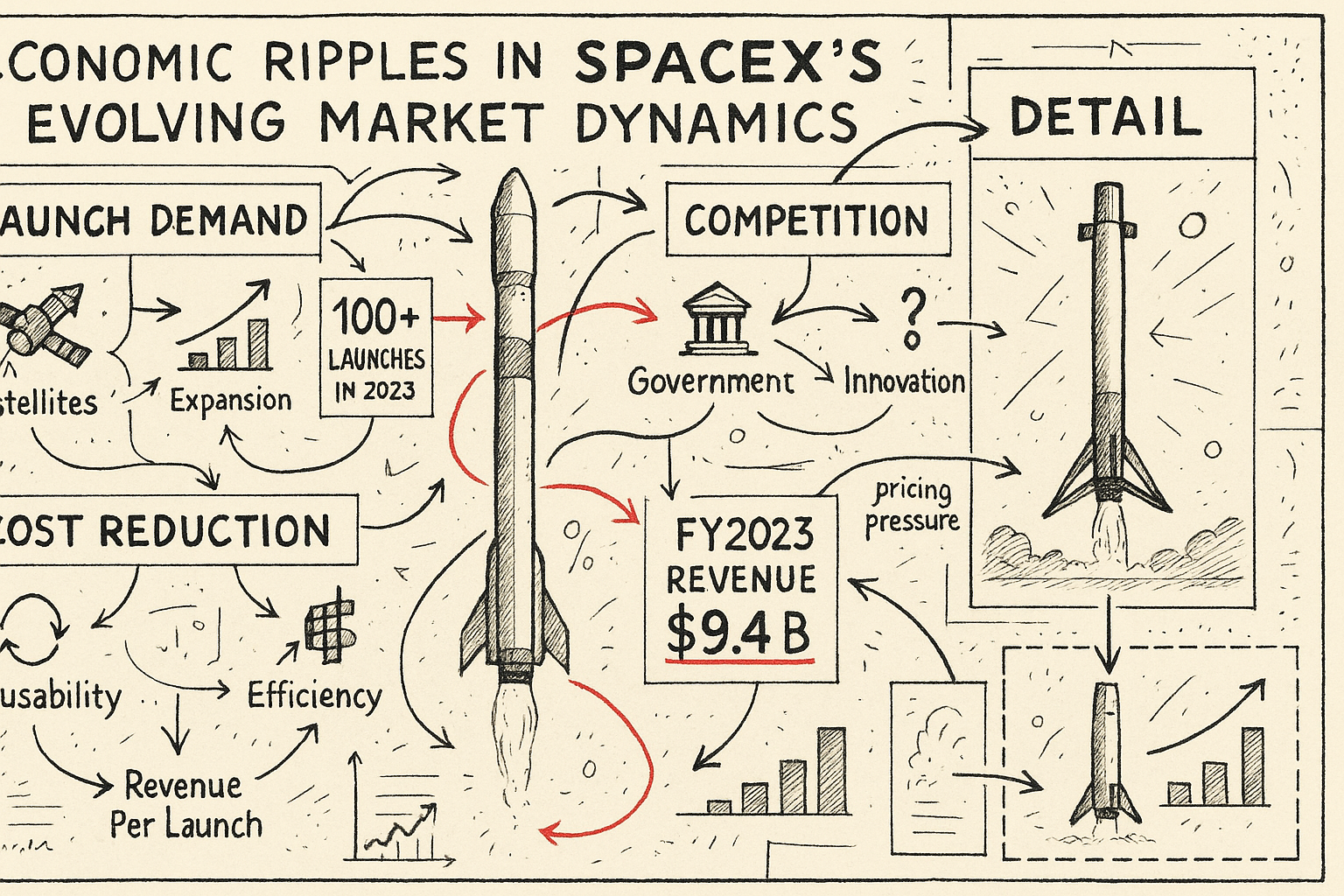
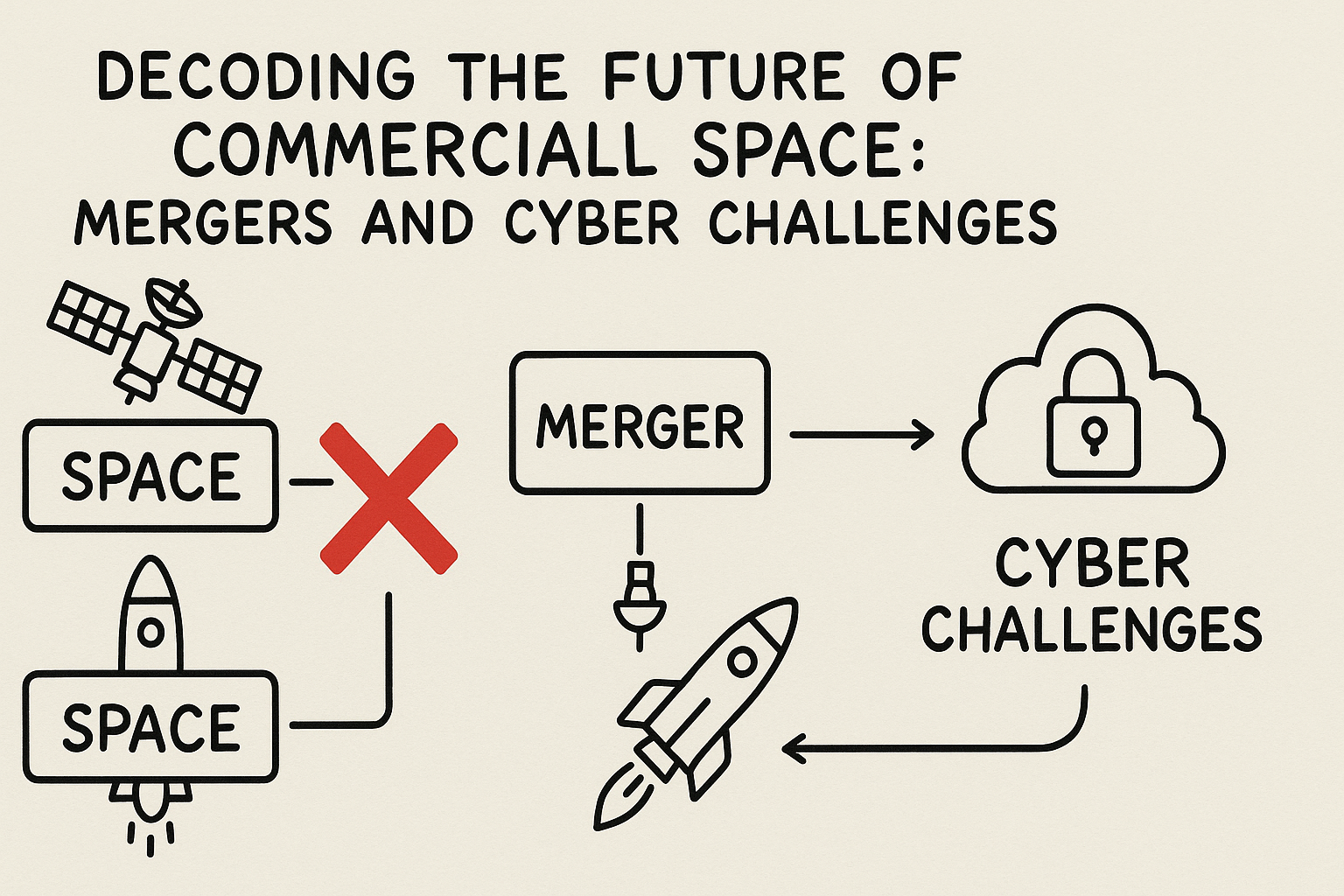
The potential merger between SpaceX and Tesla, hinted at by SpaceX President Gwynne Shotwell, could redefine the boundaries of space and automotive industries. While the idea of merging a space company with an electric vehicle manufacturer may seem unconventional, it reflects a broader trend of cross-industry collaborations aimed at leveraging shared technologies and expertise. Such a merger could catalyze innovations in sustainable energy solutions for space missions, enhancing both companies' competitive edge.
Meanwhile, in the satellite communications sector, Israel’s Gilat Satellite Networks is set to acquire Comtech's satcom business. This move marks a significant expansion of Gilat's defense capabilities, six years after a failed merger attempt. The acquisition underscores the strategic importance of consolidating resources to enhance technological capabilities and market reach in the competitive satcom industry.
Cybersecurity in the Space Sector
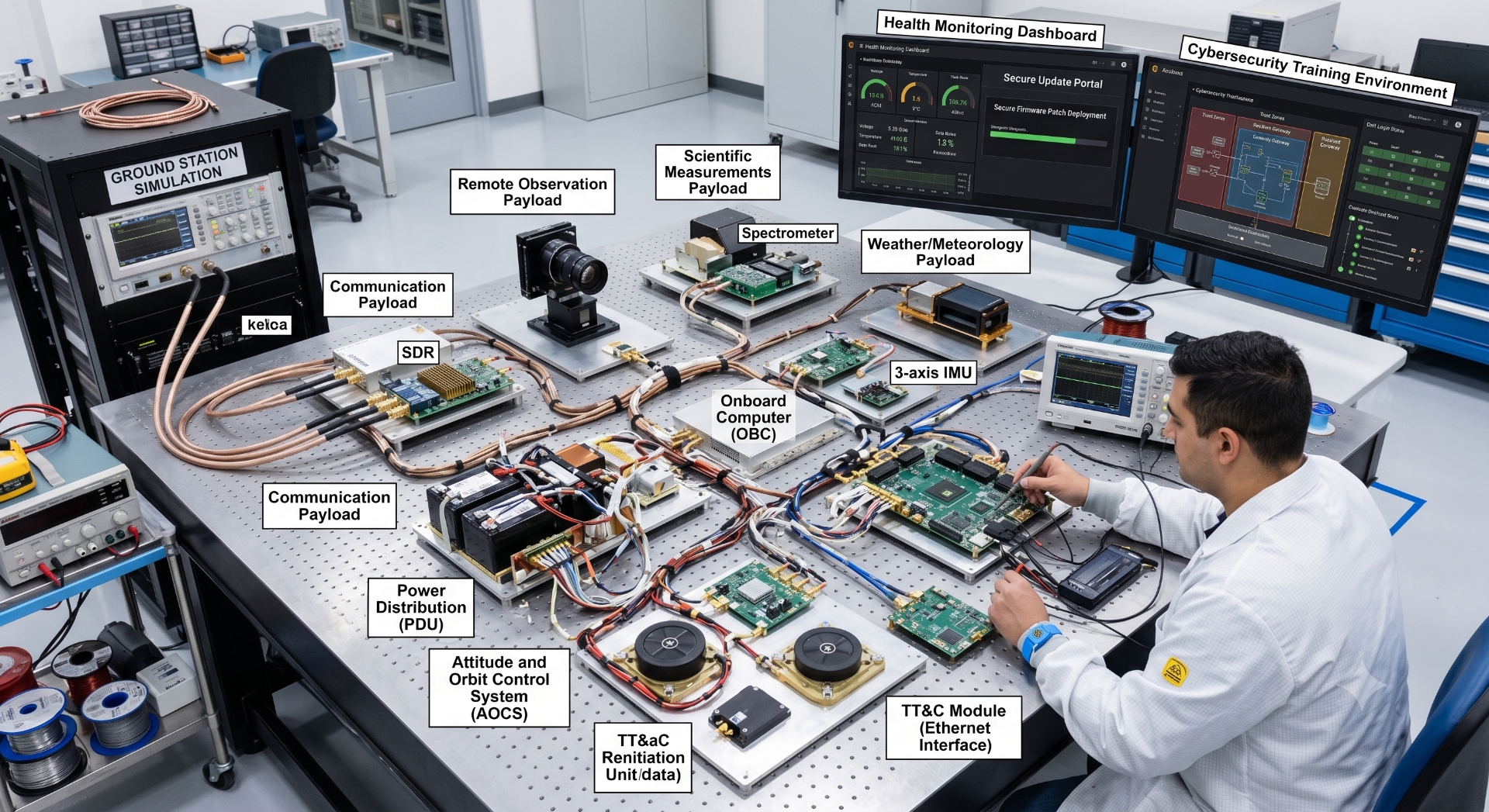
The increasing integration of space technologies into national defense strategies has made the sector a target for cyber warfare. The US-Israel-Iran conflict, which included cyber operations against space infrastructures, highlights the vulnerabilities that come with digital connectivity in space. As space assets become crucial for military operations and national security, protecting them from cyber threats is paramount. This situation calls for robust cybersecurity measures and international cooperation to safeguard space infrastructure.
Innovations in Space Infrastructure
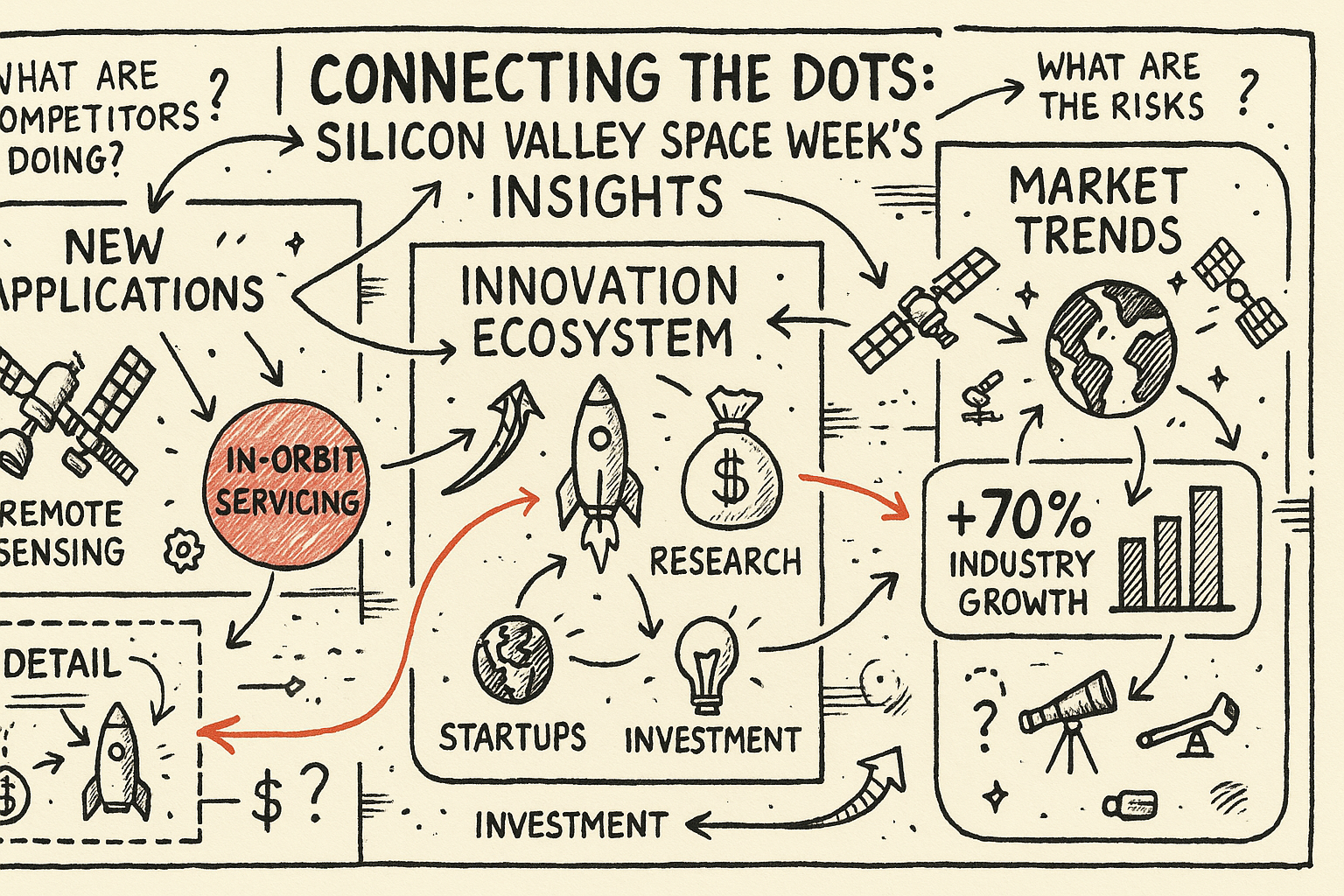
Beyond mergers and cybersecurity, technological advancements are shaping the future of commercial space. Intellian Technologies' new production facility in California represents a 'defining milestone' in satellite manufacturing, emphasizing the importance of expanding manufacturing capabilities to meet growing demand. Similarly, Finland’s Voimatel's integration of Eutelsat's LEO connectivity into Arctic communications showcases the expansion of satellite networks to provide robust communication solutions in remote regions.
Furthermore, the Austrian startup Gate Space's recent funding from a European accelerator program illustrates the increasing emphasis on developing sovereign space capabilities. This trend is driven by the desire to reduce dependency on foreign technologies and enhance regional space autonomy.
Monetizing Space Energy
Another intriguing development is the exploration of space energy monetization. As AI technologies enhance the value of energy, companies are reconsidering the location of energy infrastructure, with space emerging as a potential frontier. This shift could revolutionize how energy is generated and distributed, offering sustainable solutions for both terrestrial and space applications.
Collectively, these trends highlight a dynamic and evolving commercial space landscape, where traditional boundaries are blurred, and new opportunities emerge. Companies are increasingly adopting a multidisciplinary approach, integrating automotive, energy, and defense technologies to achieve greater efficiencies and capabilities.
While the commercial space sector holds immense potential, it also faces significant challenges, particularly in cybersecurity. As space becomes a critical arena for economic and military power, safeguarding space assets and infrastructure will be crucial to maintaining stability and fostering innovation.
Looking ahead, the sector's growth will likely depend on strategic partnerships, technological innovations, and robust cybersecurity frameworks. By navigating these complexities, commercial space companies can unlock new possibilities and continue to push the boundaries of what is possible in space exploration and technology.