The commercial space sector is witnessing transformative changes driven by technological advancements, strategic partnerships, and emerging threats. A recent flurry of activities highlights the sector's dynamic nature, underscoring the importance of adaptability and innovation in navigating these shifting tides.
Strategic Partnerships and Technological Advancements
Satellogic's partnership with SpaceKnow is a prime example of leveraging artificial intelligence to enhance geospatial intelligence. By building AI applications on top of Satellogic's satellite imagery, the collaboration aims to offer more refined and actionable insights. This reflects a broader trend in the industry where data analytics and AI are becoming integral to decision-making processes.
Similarly, Vantor's unveiling of WorldView 3D underscores the growing demand for high-definition and up-to-date satellite imagery. The emphasis on currency and precision in geospatial data is critical for sectors ranging from agriculture to defense, highlighting how commercial space innovations are directly impacting various industries.
Defense and Security: A Dual-Edged Sword
As commercial space capabilities expand, so do their applications in defense. Ovzon's new defense contract with a European NATO nation showcases the strategic importance of satellite communications in military operations. However, the increasing sophistication of such technologies also presents new vulnerabilities.
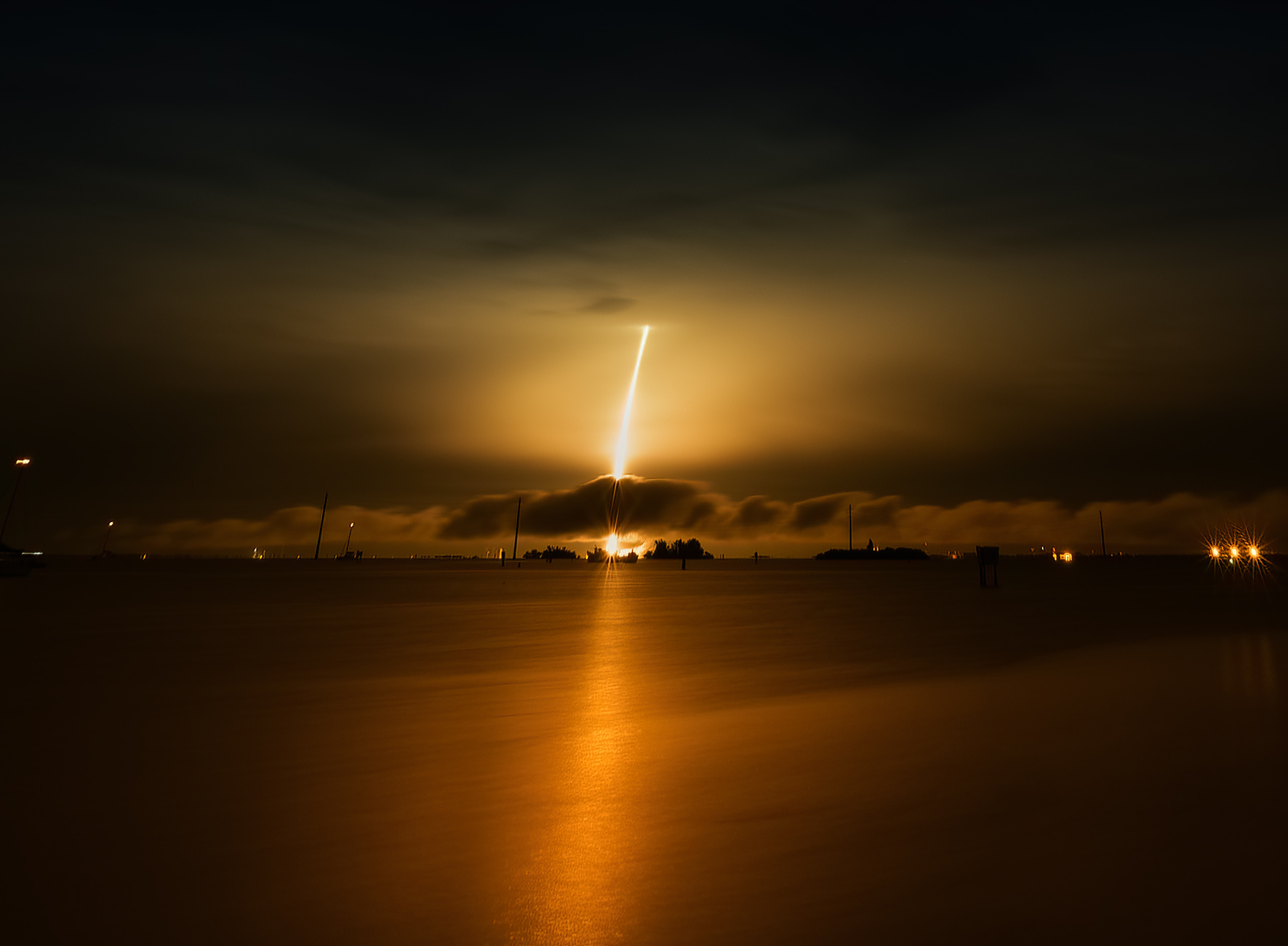
A notable threat is the rise of drones, which have the potential to disrupt rocket launch sites, as evidenced by the recent concerns in the U.S. The ability of a single rogue drone to halt a launch at great financial cost illustrates the delicate balance between technological advancement and security. This issue raises questions about the adequacy of current regulatory frameworks in addressing new technological risks.
Global Expansion and Competitive Pressures
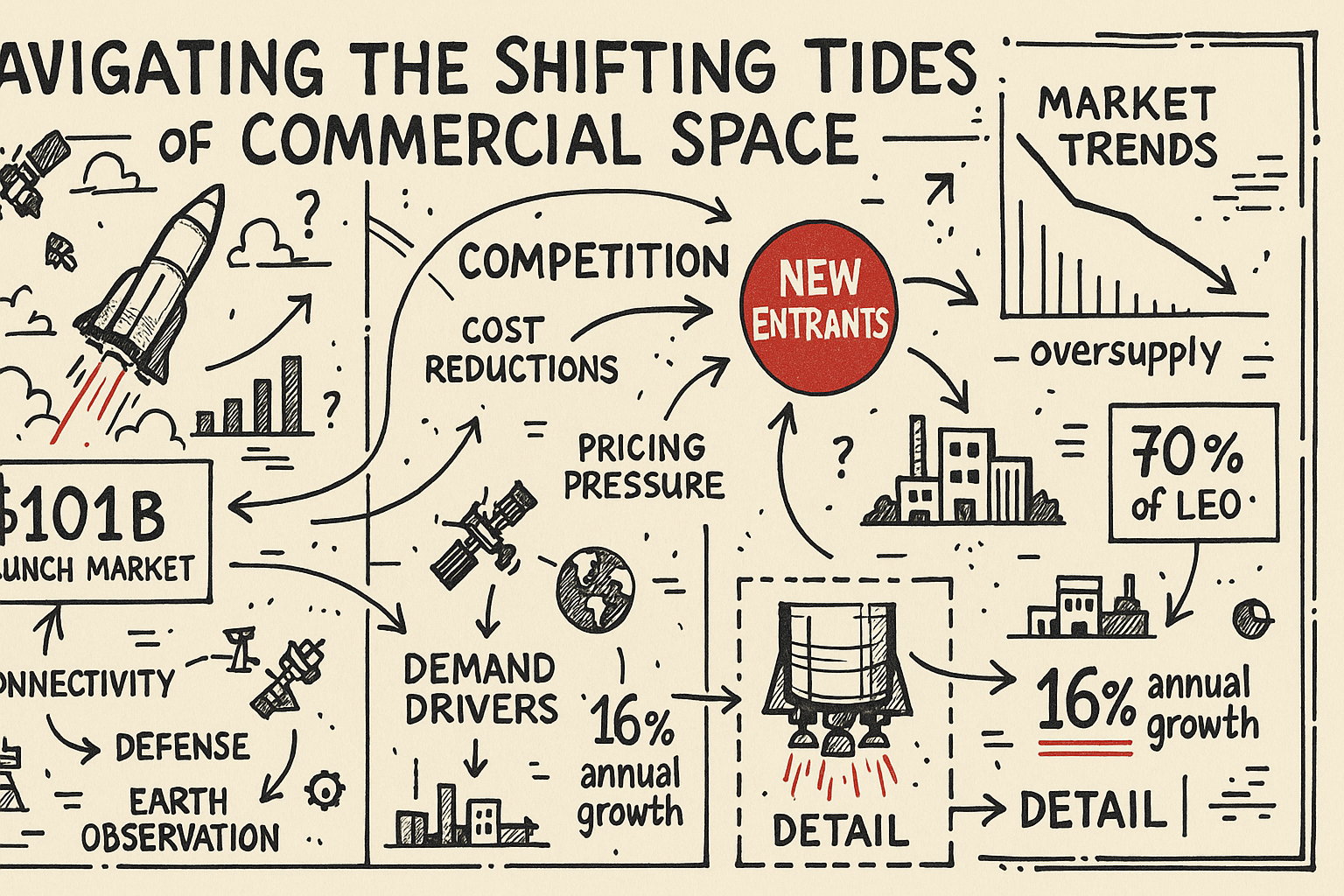
The commercial space race is not confined to traditional players. Polish company Sybilla Technologies' entry into the U.S. market, supported by significant investment, signifies the increasing globalization of the sector. As more international players enter the fray, competitive pressures are likely to intensify, pushing companies towards greater innovation and efficiency.
In a surprising turn, French startup Latitude plans its first launch from a spaceport in Oman by 2027. This move not only diversifies launch site options but also reflects the strategic importance of geographic flexibility in the quest for orbital access.
Economic Realities and Market Adjustments
While the commercial space sector is burgeoning, it is not immune to economic challenges. The Chapter 11 bankruptcy filing by Dish Satellite TV and Wireless businesses highlights the financial vulnerabilities even established players face. As market conditions fluctuate and competition increases, companies must adopt more resilient business models to survive and thrive.
Moreover, the discussion on making satellite communications more resilient, as explored by Kymeta, underscores the need for the sector to adapt to multi-orbit and multi-band connectivity. This adaptability is crucial in ensuring reliable communication networks, which are the backbone of modern satellite operations.
Future Implications
The commercial space sector stands at a crossroads, driven by technological innovation, strategic partnerships, and the need for robust security measures. As new players enter the market and competitive pressures mount, the industry must navigate these challenges with agility and foresight.
Looking ahead, the focus will likely be on enhancing the resilience of satellite communications, managing the risks associated with new technologies, and fostering international collaborations to ensure sustainable growth. Ultimately, the sector's ability to adapt to these evolving dynamics will determine its future trajectory.